

What Makes Construction Waste Management More Effective?
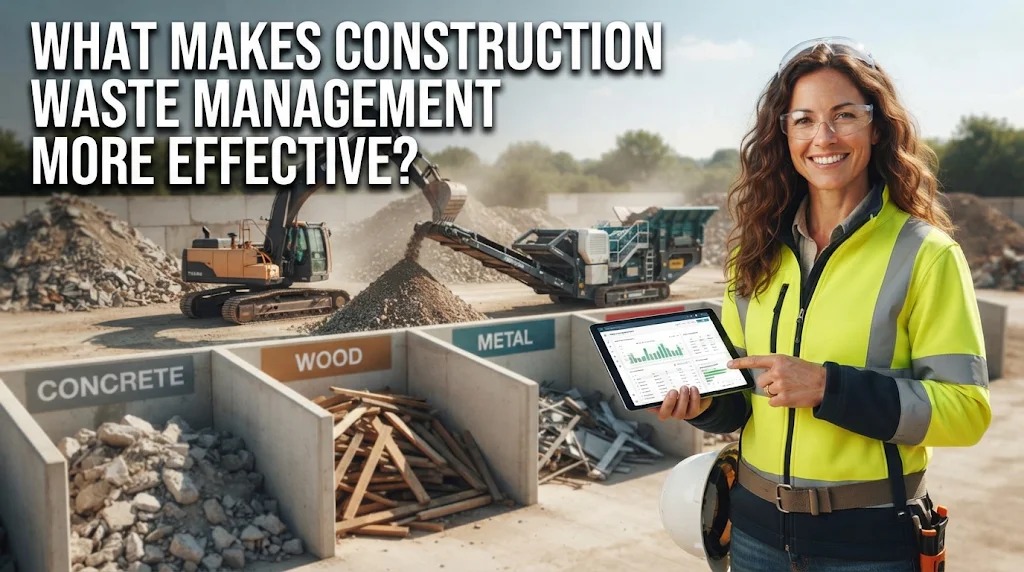
Effective construction waste management depends on proper planning, responsible material use, waste separation, and appropriate disposal methods. Construction activities often produce various types of waste, including concrete, wood, metal, plastic, and packaging materials. Without proper management, these materials can increase project costs, create environmental pollution, and reduce work efficiency. Therefore, construction companies need to implement organized waste management strategies to minimize waste generation and encourage material reuse and recycling.
DEVELOP A CLEAR WASTE MANAGEMENT PLAN
A clear waste management plan helps construction companies control waste from the beginning of a project. The plan should identify the types of materials likely to become waste, estimate their quantities, and determine appropriate handling methods. Project managers should also establish responsibilities for workers involved in waste collection and disposal. Regular evaluations can help identify problems and improve existing procedures. With proper planning, construction teams can prevent unnecessary material losses and manage waste more systematically.
SEPARATE WASTE ACCORDING TO MATERIAL TYPES
Separating construction waste is essential for improving recycling and disposal processes. Materials such as concrete, wood, metal, plastic, and glass should be placed in different designated containers. This practice prevents recyclable materials from becoming contaminated by other waste. It also makes collection and transportation more organized. Proper waste separation allows construction companies to recover valuable materials and reduce the amount of waste sent to landfills.
PRIORITIZE MATERIAL REUSE AND RECYCLING
Reusing and recycling construction materials can significantly reduce the environmental impact of building projects. Materials such as metal, timber, bricks, and concrete can often be recovered for other construction purposes. For example, suitable concrete waste can be processed into recycled aggregates, while unused timber may be reused for temporary structures. Construction companies should identify reusable materials before sending them for disposal. These practices help conserve natural resources, reduce purchasing costs, and support sustainable construction.
PROVIDE WORKER TRAINING AND SUPERVISION
Workers need proper knowledge and practical skills to manage construction waste effectively. Training should cover waste separation, safe material handling, recycling procedures, and responsible disposal practices. Supervisors should regularly monitor activities to ensure that workers follow established guidelines. Clear instructions and designated waste collection areas can also reduce confusion on construction sites. When employees understand their responsibilities, waste management becomes more consistent and efficient.
USE TECHNOLOGY TO MONITOR WASTE
Modern technology can improve the accuracy and efficiency of construction waste management. Digital project management systems can record material purchases, monitor waste quantities, and identify unnecessary resource consumption. Building Information Modeling (BIM) can also help detect design errors that may cause material waste before construction begins. In addition, digital reporting tools allow project managers to evaluate waste management performance. Using appropriate technology helps companies make better decisions and improve resource efficiency.
COOPERATE WITH LICENSED WASTE MANAGEMENT PROVIDERS
Working with reliable waste management providers helps ensure that construction waste is handled appropriately. These providers can support waste collection, transportation, recycling, and final disposal according to applicable regulations. Construction companies should select providers with suitable facilities and valid operational permits. Cooperation also makes it easier to track where collected waste is transported and how it is processed. This approach reduces environmental risks and supports responsible waste management throughout the project.
EVALUATE WASTE MANAGEMENT PERFORMANCE REGULARLY
Regular evaluation helps construction companies determine whether their waste management strategies are working effectively. Project managers can measure the amount of waste generated, the percentage of materials recycled, and the costs associated with disposal. These measurements provide useful information for identifying weaknesses and improving operational procedures. Companies should establish realistic waste reduction targets and review their progress throughout the project. Continuous evaluation encourages accountability and helps maintain long-term improvements.
CONCLUSION
Effective construction waste management requires proper planning, waste separation, material reuse, worker training, technological support, and cooperation with reliable waste management providers. Regular performance evaluations are also important to ensure that established procedures deliver measurable results. By applying these strategies, construction companies can reduce operational costs, conserve natural resources, minimize environmental pollution, and create more sustainable construction projects.
Recent Posts

How Does Technology Make Daily Evaluation... 21.11.2026/58 View

Apa Strategi Menghadapi Kesenjangan antara Kompetensi... 21.11.2026/60 View

Mengapa Inventaris Aset Penting bagi Kelancaran... 21.11.2026/56 View

When Should Musicians Join a Record... 21.11.2026/55 View

Daily Evaluation or Daily Planning Which... 21.11.2026/63 View
