

What Professional Etiquette Should Employees Follow During Business Trips?
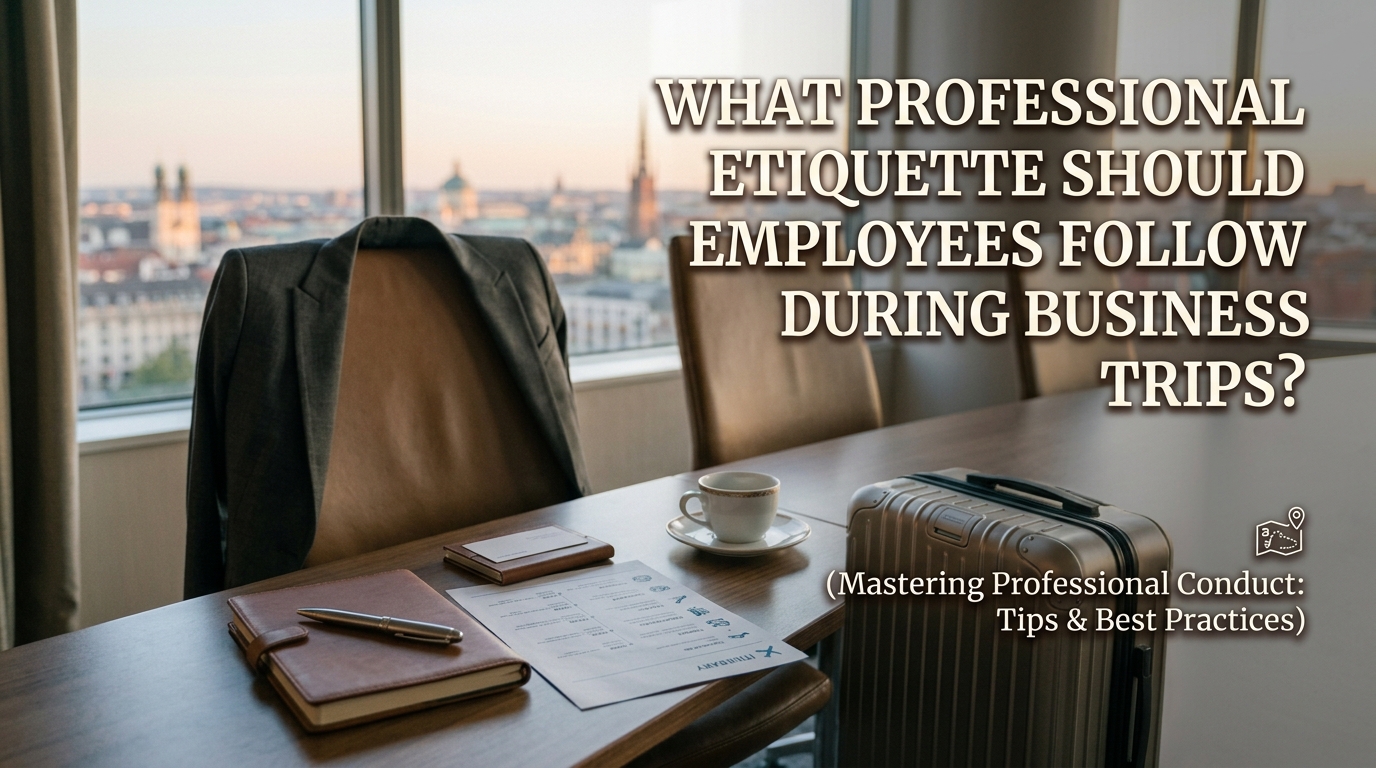
Business trips give employees opportunities to meet clients, build professional relationships, attend meetings, and represent their companies in other cities. During these trips, employees are expected to maintain professional behavior both inside and outside the workplace. Their attitude, communication, appearance, and ability to respect others can influence how people view them and their company. Following professional etiquette also helps prevent misunderstandings and supports successful business activities. Good business travel etiquette demonstrates respect, responsibility, and professionalism in every situation.
MAINTAIN PROFESSIONAL APPEARANCE
Professional appearance is an important part of business travel etiquette because employees often represent their companies when meeting clients or business partners. They should choose clean, neat, and appropriate clothing that matches the purpose of the event and the company's dress code. Formal meetings may require business attire, while other activities may allow smart casual clothing. Employees should also maintain personal hygiene and ensure that their appearance remains presentable throughout the trip. A neat and appropriate appearance helps create a positive first impression.
Employees should prepare their clothing before departure and consider the weather, destination, and planned activities. Bringing suitable shoes and an extra outfit can also help them handle unexpected changes. They should avoid clothing that is unsuitable for professional meetings or violates company guidelines. Preparing an appropriate appearance in advance helps employees feel confident and ready for business activities.
ARRIVE ON TIME FOR MEETINGS
Punctuality is essential during business trips because meetings and appointments often follow a strict schedule. Employees should check meeting times, locations, and transportation arrangements before leaving their accommodation. They should also allow extra time for traffic, security checks, and other possible delays. Arriving on time shows respect for other people's schedules and demonstrates reliability.
If an unexpected situation makes them late, employees should inform the meeting organizer as soon as possible. They should provide a clear update and an estimated arrival time when that information is available. Employees should avoid making other participants wait without explanation. Good time management and timely communication help maintain trust and keep business activities organized.
COMMUNICATE POLITELY AND CLEARLY
Polite communication is an important part of professional etiquette when interacting with clients, coworkers, supervisors, and business partners. Employees should speak respectfully, listen carefully, and use language appropriate to the situation. They should avoid interrupting others and give people enough time to express their opinions. Clear and respectful communication helps build trust and prevents unnecessary misunderstandings.
Employees should also pay attention to their tone of voice, facial expressions, and body language. When communicating through email or messaging applications, they should use professional wording and respond within a reasonable time. If they disagree with someone, they should explain their views calmly and focus on the issue rather than criticizing the person. Professional communication supports positive relationships and makes discussions more productive.
RESPECT LOCAL CUSTOMS AND CULTURAL DIFFERENCES
Business trips may take employees to places with different customs, communication styles, and workplace expectations. Employees should learn about relevant local practices before meeting people from unfamiliar backgrounds. Greetings, forms of address, meeting behavior, and dining customs may differ between regions or countries. Respecting cultural differences helps employees interact appropriately and avoid accidental offense.
Employees should remain open-minded and avoid making assumptions about people based on their backgrounds. If they are unsure about a custom, they can observe others respectfully or ask a polite question when appropriate. They should also be careful with humor, gestures, and topics that may be interpreted differently across cultures. Cultural awareness demonstrates respect and helps create stronger professional relationships.
FOLLOW COMPANY POLICIES AND MANAGE EXPENSES RESPONSIBLY
Employees must follow company rules when arranging transportation, booking accommodation, attending events, and using travel funds. They should understand spending limits, reimbursement requirements, and approval procedures before the trip begins. Choosing services outside the company's guidelines may lead to unnecessary costs or difficulties with reimbursement. Responsible spending shows accountability and protects company resources.
Employees should keep receipts, invoices, booking confirmations, and other required records. They should report expenses accurately and never claim personal purchases as business expenses. If unexpected costs occur, they should follow company procedures and request approval when necessary. Honest expense reporting supports transparency and helps maintain the company's trust.
BE RESPECTFUL DURING MEALS AND SOCIAL EVENTS
Business meals and social events can provide opportunities to build relationships outside formal meetings. Employees should arrive on time, greet other participants politely, and follow the expected level of formality. They should use good table manners, listen when others speak, and avoid dominating the conversation. Respectful behavior during meals helps create a comfortable and professional atmosphere.
Employees should also be mindful of their food choices and the needs of other participants when selecting a restaurant or ordering a meal. If they have dietary requirements, they can communicate them politely in advance. They should follow company policies regarding entertainment expenses and avoid behavior that could damage their professional reputation. Maintaining professional conduct at social events is just as important as behaving appropriately in formal meetings.
PROTECT CONFIDENTIAL INFORMATION
Employees may handle sensitive documents, financial information, customer details, and internal company discussions during business trips. They must protect this information when working in hotels, airports, restaurants, and other public places. Important documents should not be left unattended, and confidential conversations should not take place where unauthorized people can easily hear them. Protecting confidential information is a key responsibility during business travel.
Employees should use approved devices, secure networks, and company-authorized applications when handling sensitive information. They should also avoid displaying confidential files where strangers can see their screens. If a company device or document is lost, they should report the incident according to company procedures. Good information security practices help prevent data leaks and protect the company's reputation.
SHOW RESPONSIBILITY AND FLEXIBILITY
Business trips do not always go according to plan. Meetings may change, transportation may be delayed, and new responsibilities may arise unexpectedly. Employees should remain calm, adjust their schedules when necessary, and communicate changes to the people involved. Flexibility and problem-solving skills help employees handle unexpected situations professionally.
Employees should also take responsibility for their assignments and complete agreed tasks within the required time. If they encounter difficulties, they should seek assistance rather than ignoring the problem. After meetings, they should record important decisions and complete necessary follow-up actions. Taking responsibility demonstrates professionalism and helps ensure that business trips achieve their intended goals.
CONCLUSION
Professional etiquette during business trips includes maintaining an appropriate appearance, arriving on time, communicating respectfully, and understanding cultural differences. Employees should also manage company expenses responsibly, behave appropriately at social events, protect confidential information, and remain flexible when plans change. These practices help build trust, prevent misunderstandings, and strengthen professional relationships. By demonstrating respectful and responsible behavior, employees can represent their companies positively and contribute to successful business trips.
Recent Posts

Bagaimana Sistem SKS pada Program Kuliah... 22.11.2026/57 View

How Does Technology Make Daily Evaluation... 21.11.2026/86 View

Apa Strategi Menghadapi Kesenjangan antara Kompetensi... 21.11.2026/84 View

Mengapa Inventaris Aset Penting bagi Kelancaran... 21.11.2026/82 View

When Should Musicians Join a Record... 21.11.2026/86 View
