

What Qualifications Are Needed to Become a Professional Waste Manager?
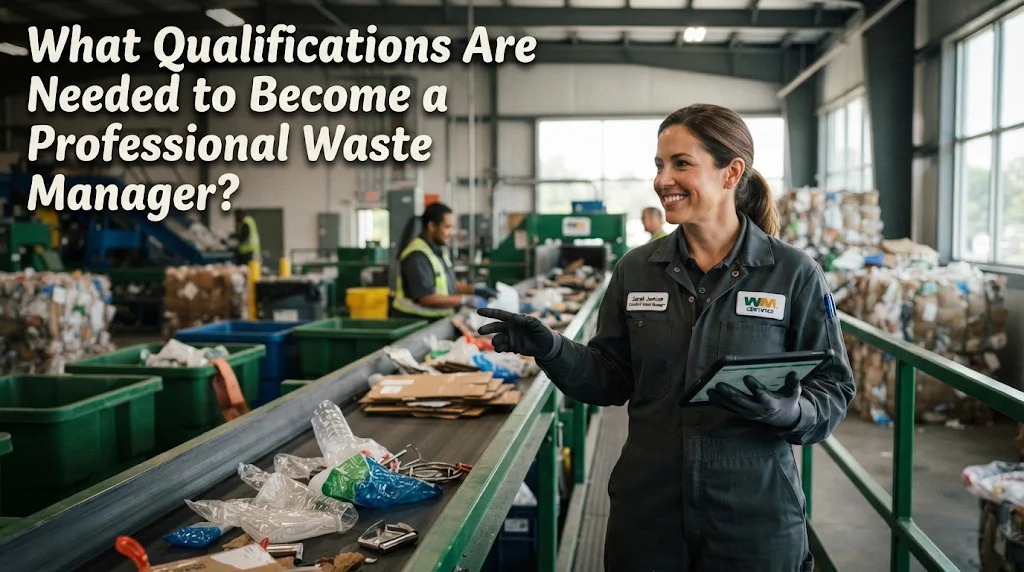
Becoming a professional waste manager requires a combination of education, technical knowledge, practical experience, and strong management skills. Waste managers play an important role in controlling waste collection, treatment, recycling, and disposal to protect public health and the environment. They may work in manufacturing companies, government agencies, waste treatment facilities, hospitals, or environmental service providers. Because each workplace handles different types of waste, the qualifications required can vary depending on the position and level of responsibility.
A professional waste manager must understand how to manage waste safely and efficiently while following environmental regulations. They also need to coordinate workers, monitor operational activities, and identify potential environmental risks. Although some entry-level positions accept candidates with general educational backgrounds, supervisory and specialist roles often require relevant degrees, technical training, and work experience.
EDUCATIONAL BACKGROUND IN ENVIRONMENTAL OR RELATED FIELDS
One important qualification for becoming a professional waste manager is having an educational background related to environmental management. Relevant fields include environmental engineering, environmental science, public health, chemistry, and industrial engineering. These subjects provide knowledge about pollution, waste characteristics, environmental protection, and methods for managing different types of waste. This foundation helps professionals understand the effects of improper waste disposal and choose suitable treatment methods.
However, not every waste management position requires a university degree. Entry-level jobs, such as waste collection staff or sorting operators, may accept applicants with secondary education and appropriate practical training. More advanced positions usually require higher education because they involve technical analysis, operational planning, and regulatory responsibilities. Candidates should therefore choose an educational path that matches their intended career level.
TECHNICAL KNOWLEDGE OF WASTE MANAGEMENT
A professional waste manager needs a strong understanding of different waste categories and their characteristics. These include organic waste, recyclable materials, industrial waste, liquid waste, and hazardous waste. Each category requires a different handling method to prevent pollution and reduce health risks. For example, organic waste can be processed into compost, while certain plastics, metals, and paper materials can be recycled.
Technical knowledge is also necessary for understanding waste treatment systems and equipment. Waste managers may need to understand how sorting machines, wastewater treatment facilities, composting systems, and waste storage areas operate. They should also know how to identify problems during treatment and determine when corrective action is necessary. This knowledge helps ensure that waste management activities are carried out safely and efficiently.
KNOWLEDGE OF ENVIRONMENTAL REGULATIONS AND SAFETY STANDARDS
Professional waste managers must understand the environmental regulations that apply to their workplace. These rules generally cover waste classification, storage, transportation, treatment, reporting, and final disposal. In Indonesia, waste management activities are governed by environmental and waste management regulations, including requirements related to hazardous and toxic waste. Understanding these requirements helps managers ensure that their organizations operate responsibly and avoid violations.
Workplace safety is equally important because waste management can involve hazardous materials, heavy equipment, and potentially harmful substances. Managers must understand the correct use of personal protective equipment, safe handling procedures, emergency responses, and risk prevention. They also need to ensure that workers receive appropriate safety instructions before performing dangerous tasks. Following environmental and occupational safety standards helps protect employees, nearby communities, and natural resources.
PRACTICAL EXPERIENCE AND PROFESSIONAL TRAINING
Practical experience is valuable for anyone who wants to become a professional waste manager. Working in a waste treatment facility, recycling company, manufacturing plant, or environmental organization can provide direct experience with daily operations. Through these activities, candidates can learn how waste is collected, separated, stored, transported, and processed. They can also develop problem-solving skills by observing how experienced workers handle operational challenges.
Professional training can strengthen these practical abilities. Training programs may cover waste classification, hazardous waste handling, environmental monitoring, wastewater treatment, and occupational safety. Some positions may also require specific certifications or competency assessments based on the job's responsibilities and applicable regulations. Candidates should choose recognized training providers and verify that the qualifications are relevant to the position they want to pursue.
MANAGEMENT AND COMMUNICATION SKILLS
A waste manager does not only need technical knowledge but also strong management abilities. They are often responsible for organizing schedules, assigning tasks, supervising employees, and monitoring operational performance. Good planning helps ensure that waste collection and treatment activities run smoothly. Managers must also be able to make decisions when equipment breaks down, waste volumes increase, or unexpected problems occur.
Communication skills are important because waste managers work with employees, company management, government agencies, contractors, and local communities. They need to explain procedures clearly, prepare reports, and coordinate different activities. Teamwork and leadership also help create a workplace where employees understand their responsibilities and follow safety procedures. Strong management and communication skills allow waste managers to balance operational efficiency with environmental protection.
ANALYTICAL SKILLS AND ABILITY TO USE TECHNOLOGY
Analytical skills help waste managers evaluate operational performance and identify opportunities for improvement. They may need to examine waste quantities, treatment costs, recycling rates, and environmental monitoring results. By reviewing this information, they can identify inefficient processes and develop better waste management strategies. Attention to detail is especially important when checking records, inspecting facilities, and evaluating treatment results.
Technology skills are also increasingly useful in modern waste management. Some facilities use digital monitoring systems, automated sorting machines, specialized treatment equipment, and software for recording waste data. A professional waste manager should be willing to learn how these tools work and use them appropriately. The ability to understand operational data and adapt to new technology can improve productivity and support better environmental decisions.
CONCLUSION
Becoming a professional waste manager requires relevant education, technical knowledge, practical experience, and strong management skills. Educational backgrounds in environmental engineering, environmental science, chemistry, and related fields can provide a useful foundation. Candidates also need to understand environmental regulations, workplace safety, waste treatment methods, and the use of modern technology. Practical training and relevant certifications can further improve their qualifications. By developing these abilities, individuals can prepare themselves for a professional career that supports effective waste management and environmental protection.
Recent Posts

How Does Technology Make Daily Evaluation... 21.11.2026/55 View

Apa Strategi Menghadapi Kesenjangan antara Kompetensi... 21.11.2026/57 View

Mengapa Inventaris Aset Penting bagi Kelancaran... 21.11.2026/51 View

When Should Musicians Join a Record... 21.11.2026/52 View

Daily Evaluation or Daily Planning Which... 21.11.2026/59 View
