

What Regulations Should You Know Before Offering International Personal Shopping Services
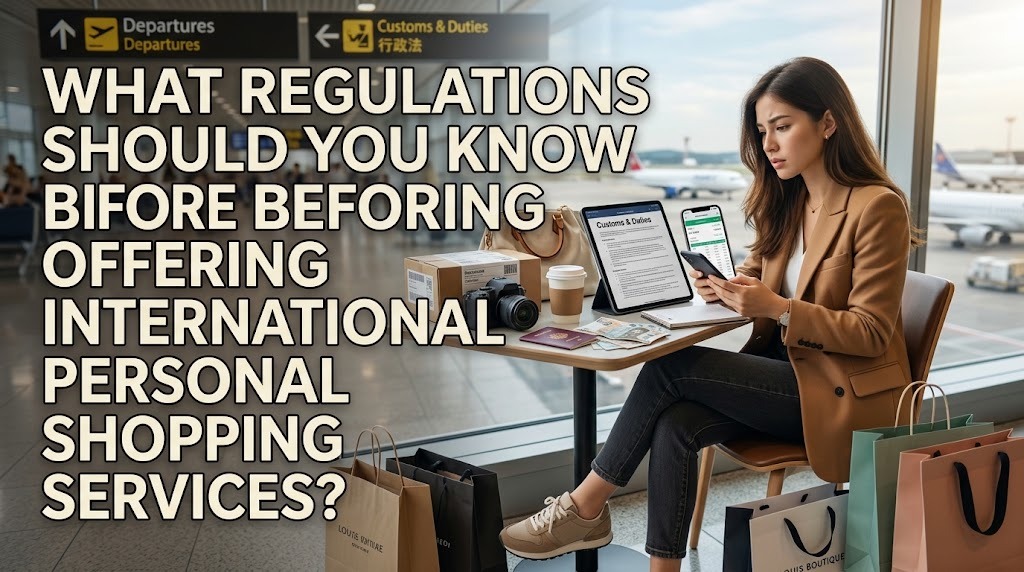
Starting an international personal shopping business can create opportunities to serve customers who want products from overseas markets. However, purchasing and shipping goods across national borders involves more than finding products and arranging delivery. Business owners need to understand import regulations, customs procedures, taxes, product restrictions, and consumer protection requirements. Ignoring these rules can lead to unexpected costs, delayed shipments, confiscated goods, or legal problems. By learning the applicable regulations before accepting orders, personal shoppers can operate more responsibly and provide customers with clearer information.
UNDERSTAND CUSTOMS RULES AND IMPORT REQUIREMENTS
Customs regulations are among the most important considerations when offering international personal shopping services. Goods entering a country may need to be declared, inspected, classified, and assessed for applicable duties and taxes. The requirements depend on factors such as the product category, shipment value, country of origin, and applicable import rules. Personal shoppers should understand the procedures in the destination country rather than assuming that every overseas purchase can enter without restrictions.
For businesses serving Indonesian customers, it is important to check the latest requirements issued by the Directorate General of Customs and Excise and other relevant authorities. Certain goods may require additional documents, permits, or specific import procedures. Personal shoppers should also ensure that product descriptions, declared values, and supporting documents are accurate. Misrepresenting a shipment to reduce charges can create serious legal and financial consequences. Understanding customs requirements helps businesses estimate delivery costs and reduce avoidable shipping problems.
CALCULATE IMPORT DUTIES AND APPLICABLE TAXES
International purchases may involve customs duties, import taxes, and other charges depending on the product and the applicable regulations. Customers sometimes assume that the price advertised by an overseas seller represents the final amount they will pay. In reality, the total cost may include the product price, international shipping, insurance, customs duties, taxes, domestic delivery, and personal shopping fees. Failing to account for these expenses can create disagreements between shoppers and customers.
Personal shoppers should explain which costs are included in their service fee and which charges may be collected separately. For shipments entering Indonesia, they should verify current customs valuation methods, tariff classifications, tax treatment, and applicable exemptions or special provisions. The exact charges can vary according to the type of goods and the circumstances of the shipment. Avoid promising a fixed final price unless the relevant costs can be reasonably established. A clear total landed cost calculation helps customers make informed decisions and reduces the risk of unexpected expenses.
CHECK PRODUCT RESTRICTIONS AND REQUIRED PERMITS
Not every product available overseas can be imported freely. Some goods are prohibited, restricted, or subject to additional licensing, certification, inspection, or registration requirements. Examples may include certain medicines, cosmetics, food products, electronic equipment, telecommunications devices, and products containing regulated materials. The exact requirements depend on the item and the rules in force when it is imported.
Before accepting an order, personal shoppers should check whether the product can legally enter the destination country. For Indonesian imports, relevant authorities may include Customs and Excise, the National Agency of Drug and Food Control, and other agencies responsible for specific product categories. A product being sold legally in another country does not automatically mean it can be imported or distributed in Indonesia without additional requirements. Product compliance checks should therefore take place before payment or shipment whenever possible. If a product's legal status is uncertain, the shopper should obtain reliable guidance instead of assuming that it is permitted.
FOLLOW BUSINESS REGISTRATION AND CONSUMER PROTECTION RULES
Personal shopping services that operate regularly for profit may need to consider applicable business registration, licensing, tax, and consumer protection obligations. The exact requirements depend on the business structure, activities, scale, and jurisdictions involved. Business owners serving Indonesian customers should review relevant Indonesian regulations and determine whether registration through the appropriate government system is necessary for their activities. They should also keep accurate records of orders, payments, expenses, and business transactions.
Consumer protection is equally important because customers need clear information about the products and services they purchase. Personal shoppers should disclose prices, service fees, delivery estimates, cancellation conditions, and refund procedures before confirming orders. They should not make misleading claims about product authenticity, availability, or delivery guarantees. If an item becomes unavailable or its price changes, the customer should be informed and given the options provided under the agreed terms and applicable law. Transparent business practices help protect customers while supporting a more credible and sustainable service.
UNDERSTAND SHIPPING DOCUMENTS AND INTERNATIONAL DELIVERY RULES
International shipments require accurate documentation so that customs authorities and delivery providers can identify the goods and process them correctly. Depending on the shipment, documents may include commercial invoices, packing lists, transport documents, customs declarations, permits, or certificates required for particular products. The responsible parties and exact documentation requirements vary according to the shipping arrangement, product category, and destination country.
Personal shoppers should coordinate with reputable couriers or freight forwarders and understand which party is responsible for preparing and submitting each document. Product descriptions and declared values must match the actual shipment and supporting records. Customers should also receive realistic delivery estimates and information about possible customs inspections or additional charges. When tracking is available, providing shipment updates can reduce uncertainty and improve customer confidence. Accurate shipping documentation helps prevent unnecessary delays and makes international order management more efficient.
PROTECT CUSTOMER DATA AND KEEP ACCURATE BUSINESS RECORDS
International personal shopping services often collect names, phone numbers, delivery addresses, order details, and payment records. This information should be handled carefully and used only for legitimate purposes related to the transaction or other clearly explained activities. Business owners should limit access to customer information, use appropriate security measures, and avoid sharing personal data with unrelated parties. When information is transferred to overseas suppliers or delivery providers, they should consider the applicable privacy and data protection requirements.
For businesses serving customers in Indonesia, the Personal Data Protection Law and other applicable regulations may be relevant to the collection, use, storage, and disclosure of customer information. Personal shoppers should also maintain organized records of purchases, payments, customs documents, shipping details, and customer agreements. Good recordkeeping makes it easier to resolve disputes, review expenses, and respond to legitimate requests from authorities. Records should be retained and protected in accordance with applicable requirements. Responsible data handling strengthens customer trust and supports professional business operations.
CONCLUSION
Offering international personal shopping services requires an understanding of customs procedures, import duties, taxes, product restrictions, business obligations, shipping documentation, and customer data protection. These requirements can vary depending on the product, shipment arrangement, and destination country. Personal shoppers who research the applicable rules before accepting orders are better prepared to estimate costs, avoid restricted goods, and manage customer expectations.
For businesses serving Indonesian consumers, checking current information from Customs and Excise and other relevant authorities is especially important because regulations and procedures can change. Personal shoppers should also maintain accurate records, communicate fees clearly, and use reliable shipping partners. By prioritizing legal compliance, transparency, and responsible business management, entrepreneurs can reduce risks and build a more trustworthy international personal shopping service.
Recent Posts

Bagaimana Sistem SKS pada Program Kuliah... 22.11.2026/50 View

How Does Technology Make Daily Evaluation... 21.11.2026/79 View

Apa Strategi Menghadapi Kesenjangan antara Kompetensi... 21.11.2026/79 View

Mengapa Inventaris Aset Penting bagi Kelancaran... 21.11.2026/75 View

When Should Musicians Join a Record... 21.11.2026/80 View
