

What Role Can Citizens Play in Preventing Political Bribery?
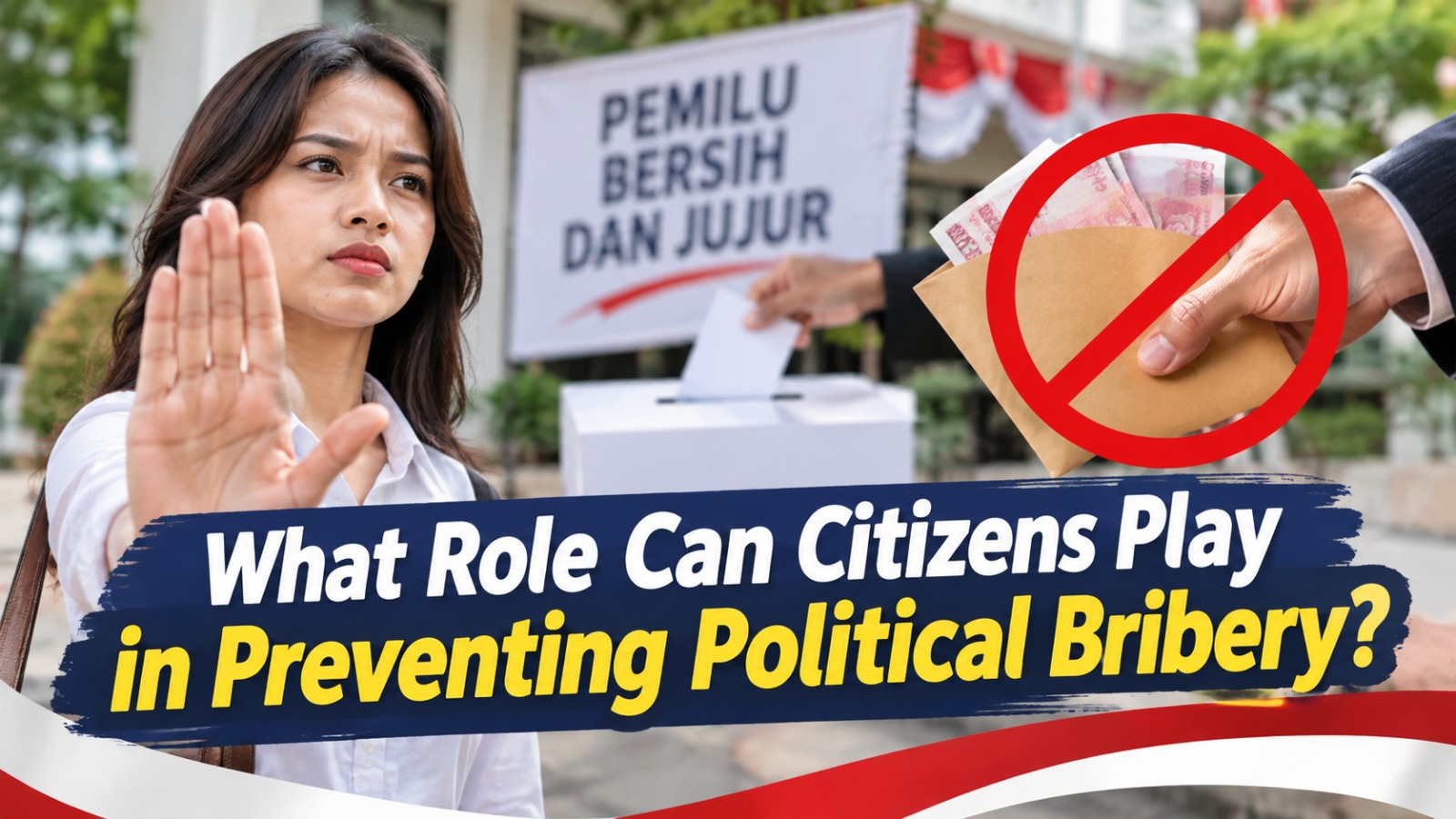
Political bribery is a serious problem that can weaken democratic institutions, damage public trust, and create unfair political competition. This practice occurs when individuals or organizations offer money, gifts, or other benefits to influence political decisions for personal interests. Although governments and law enforcement agencies have important responsibilities in preventing corruption, citizens also have a significant role in protecting democratic systems. Public participation can help identify suspicious political activities, encourage responsible leadership, and strengthen government accountability. By understanding their rights and responsibilities, citizens can contribute to creating a political environment that prioritizes honesty, transparency, and the interests of society.
INCREASING PUBLIC AWARENESS OF POLITICAL BRIBERY
Public awareness is one of the most important elements in preventing political bribery. Citizens need to understand what political bribery means, how it occurs, and why it can damage democratic institutions. Some people may consider money, gifts, or other benefits offered during election campaigns as ordinary political activities without recognizing their connection to illegal practices. This lack of understanding can make communities more vulnerable to political manipulation. Therefore, providing accurate information about bribery can help people recognize activities that violate political ethics and applicable laws.
Citizens can increase their awareness by learning about election regulations, government responsibilities, and anti-corruption policies. Schools, universities, community organizations, and public discussions can also provide opportunities to understand the importance of political integrity. Political education helps individuals evaluate political candidates based on their qualifications, leadership abilities, and proposed programs rather than temporary financial rewards. When people understand the negative consequences of bribery, they are more likely to reject dishonest political practices. Greater awareness can create a society that is more critical and responsible when participating in democratic processes.
REJECTING MONEY POLITICS AND ILLEGAL BENEFITS
Citizens have an important responsibility to reject money politics and other forms of political bribery. During election campaigns, some candidates or political supporters may offer money, food packages, gifts, or other benefits to influence voting decisions. These activities can weaken electoral fairness because political support is obtained through financial incentives rather than public confidence in a candidate's abilities. Citizens should understand that accepting such benefits can contribute to a political environment where money becomes more influential than qualifications and integrity.
Rejecting political bribery also means making voting decisions independently. Voters should consider a candidate's experience, leadership record, political commitments, and plans for addressing public problems. They should not allow temporary benefits to determine their political choices. Independent voting decisions help protect the democratic principle that every citizen has an equal right to choose political representatives. When communities consistently reject illegal offers, political actors may find it more difficult to use money as a tool for gaining electoral support.
REPORTING SUSPICIOUS POLITICAL ACTIVITIES
Reporting suspicious activities is another important contribution citizens can make to prevent political bribery. People who witness possible bribery, vote buying, or misuse of public resources should consider reporting the incident through appropriate official channels. Reports can provide valuable information for authorities to examine possible violations and determine whether further investigation is necessary. However, citizens should ensure that the information they provide is accurate and supported by available evidence rather than relying on rumors or unverified accusations.
Responsible reporting requires attention to important details, such as the time, location, individuals involved, and nature of the suspected activity. Supporting evidence may include relevant documents, photographs, or other information obtained lawfully. Citizens should also use official reporting procedures and avoid spreading unverified allegations through social media. In addition, authorities need to provide accessible reporting systems and appropriate protection for individuals who report corruption. These efforts can encourage public participation while helping law enforcement agencies identify and investigate political bribery.
MONITORING GOVERNMENT PERFORMANCE AND DEMANDING TRANSPARENCY
Citizens can help prevent political bribery by monitoring how government institutions manage public resources and make important decisions. Government budgets, public procurement, development projects, and administrative services should be managed according to clear regulations and public interests. People can participate in public consultations, attend community meetings, and follow official government reports to understand how public policies are implemented. This participation allows communities to identify decisions that appear unfair or inconsistent with established procedures.
Demanding government transparency and accountability also encourages public officials to perform their responsibilities properly. Citizens can ask questions about government spending, request access to public information through legal procedures, and support independent organizations that monitor public administration. For example, communities can pay attention to whether public construction projects are completed according to their announced budgets and quality standards. When officials know that their activities are being monitored, opportunities for corruption may become more limited. Public supervision is therefore an important part of building trustworthy government institutions.
PARTICIPATING IN DEMOCRATIC ACTIVITIES AND SUPPORTING CLEAN LEADERSHIP
Active participation in democratic activities can help citizens prevent political bribery and strengthen political integrity. Voting is one important way to influence leadership and support candidates who demonstrate honesty, responsibility, and commitment to public service. However, participation should not stop after election day. Citizens can also join community discussions, participate in public consultations, support civic organizations, and evaluate government performance. These activities help ensure that elected representatives remain responsible for their promises and decisions.
Citizens should also encourage political parties and public officials to maintain high ethical standards. Supporting clean leadership means choosing representatives who respect the law, avoid conflicts of interest, and prioritize public welfare. Communities can promote responsible political behavior by discussing public issues, sharing reliable information, and rejecting leaders involved in proven corrupt practices. Young people also have an important role in developing a political culture based on honesty and accountability. Through continuous democratic participation, citizens can help create institutions that are more transparent and resistant to bribery.
CONCLUSION
Citizens play an important role in preventing political bribery through public education, responsible voting, reporting suspicious activities, monitoring government performance, and supporting honest political leadership. Their participation helps identify corrupt practices and encourages public officials to prioritize their responsibilities. Political bribery cannot be addressed effectively through government regulations alone because democratic accountability also depends on public awareness and social involvement.
Building a political system free from bribery requires cooperation between citizens, government institutions, political parties, and law enforcement agencies. People must be willing to reject illegal benefits, protect democratic values, and demand transparency from their representatives. By becoming informed and active participants, citizens can help strengthen democratic institutions and create a fairer political environment that serves the interests of society.
Recent Posts

How Does Technology Make Daily Evaluation... 21.11.2026/58 View

Apa Strategi Menghadapi Kesenjangan antara Kompetensi... 21.11.2026/60 View

Mengapa Inventaris Aset Penting bagi Kelancaran... 21.11.2026/56 View

When Should Musicians Join a Record... 21.11.2026/55 View

Daily Evaluation or Daily Planning Which... 21.11.2026/63 View
