

What Role Can Communities Play In Reducing Disaster Risks During The Transitional Season?
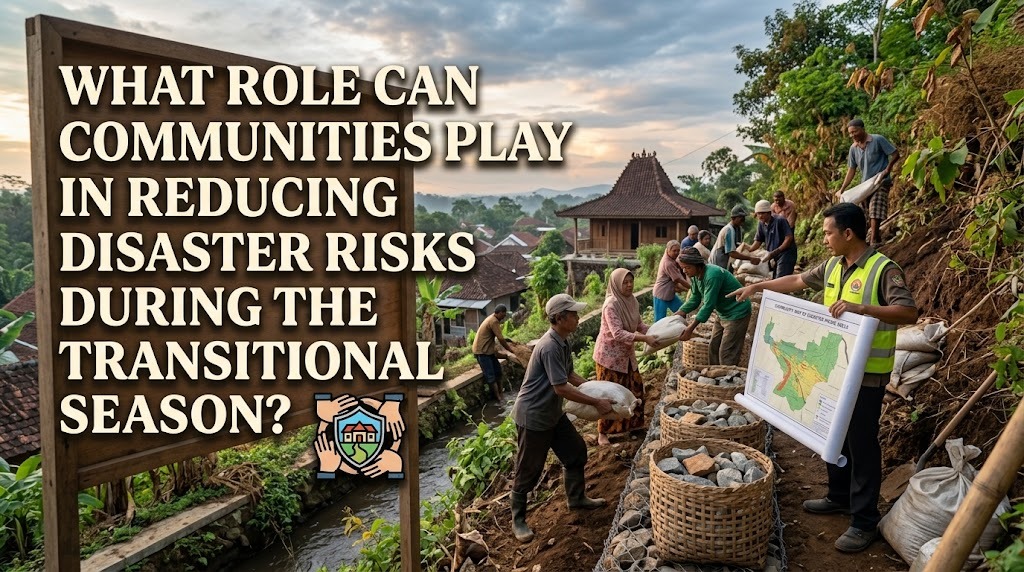
The transitional season, known as musim pancaroba in Indonesia, is the period when weather changes between the dry and rainy seasons. During this time, unpredictable weather can bring heavy rainfall, strong winds, floods, landslides, and falling trees. These hazards may damage homes, disrupt transportation, and threaten people's safety. Although governments and emergency services play important roles in disaster management, local communities are also essential for reducing disaster risks. Through cooperation, preparation, and environmental care, residents can help protect their neighborhoods and respond more effectively to dangerous weather.
RAISING PUBLIC AWARENESS ABOUT DISASTER RISKS
One important role of communities is to increase awareness of potential disasters during the transitional season. Residents can organize meetings, share reliable weather information, and explain the dangers of floods, strong winds, and landslides. Community leaders can help people recognize warning signs, such as rapidly rising river levels, blocked drainage channels, and unstable slopes. Schools and neighborhood organizations can also provide simple educational activities about disaster preparedness. When people understand local risks, they are more likely to take precautions before severe weather arrives.
Public awareness should reach everyone, including children, older adults, people with disabilities, and residents who may need additional assistance. Information can be shared through community messaging groups, posters, local announcements, and face-to-face discussions. Clear and reliable communication helps prevent confusion and reduces the spread of false information during emergencies. Residents should also know where to obtain official weather updates and evacuation instructions. Better awareness helps communities make safer decisions when weather conditions change suddenly.
KEEPING THE ENVIRONMENT CLEAN AND PROTECTING DRAINAGE SYSTEMS
Communities can reduce flood risks by maintaining clean surroundings and ensuring that drainage systems work properly. Rubbish, leaves, and other waste can block drains and prevent rainwater from flowing away efficiently. Residents can organize regular neighborhood clean-ups to remove waste from streets, gutters, and waterways. They should also dispose of rubbish correctly instead of throwing it into rivers or drainage channels. Proper waste management and clear drainage systems can reduce water accumulation during heavy rainfall.
Environmental protection also involves preserving trees, vegetation, and other natural areas that help absorb rainwater. Tree roots can stabilize soil, while plants reduce the force of rainfall hitting the ground. Residents can participate in tree-planting activities and protect green spaces from unnecessary damage. However, trees should be selected carefully for their location, and unstable or damaged trees near buildings and roads should be assessed by qualified professionals. A clean and well-maintained environment helps communities become more resilient to seasonal hazards.
PREPARING EMERGENCY PLANS AND EVACUATION ROUTES
Every community should have a basic plan for responding to disasters during the transitional season. The plan should identify areas at risk, safe evacuation locations, emergency contacts, and routes that residents can use to reach safer places. Community leaders can coordinate with local authorities to make sure that these arrangements match official disaster-management guidance. Residents should understand what to do when flooding begins or when authorities issue warnings about dangerous weather. A clear emergency plan reduces confusion and helps people respond more quickly.
Communities can also prepare shared emergency supplies, such as first-aid kits, flashlights, drinking water, batteries, and basic communication equipment. Evacuation arrangements should consider people who may need transportation or physical assistance. Regular drills can help residents practice their roles and identify weaknesses in the plan. Routes should be reviewed because heavy rain may make some roads unsafe or impassable. Preparation before a disaster occurs gives people more time to protect themselves and their families.
SHARING WEATHER INFORMATION AND EARLY WARNINGS
Timely information is essential for reducing disaster risks. Community members can help distribute official weather forecasts and early warnings through neighborhood groups, public announcements, and direct communication. In Indonesia, residents can check weather information from BMKG, the country's meteorological, climatological, and geophysical agency. Local leaders can help ensure that warnings reach people who may not have reliable internet access or smartphones. Sharing information quickly gives residents more time to secure belongings, avoid dangerous locations, or evacuate when necessary.
However, information must be accurate and easy to understand. Residents should verify messages through official sources before forwarding them and avoid spreading unconfirmed reports. Community volunteers can also report local conditions, such as rising water levels, blocked roads, or fallen trees, to the appropriate authorities. Reliable information sharing helps connect local observations with wider emergency response efforts. Communities should always follow official safety instructions instead of relying only on social media messages.
HELPING VULNERABLE RESIDENTS DURING EMERGENCIES
Disasters can affect people differently, so communities should pay special attention to residents who may need extra support. Children, older adults, people with disabilities, and individuals with limited mobility may face difficulties receiving warnings or evacuating quickly. Neighbors can check on these residents before severe weather arrives and help them prepare essential supplies. Community leaders can identify safe transportation options and make sure evacuation arrangements meet different needs. This support can reduce the risk of people being left behind during emergencies.
Cooperation should continue during and after a disaster. Residents can help distribute food, drinking water, clothing, and other essential supplies through organized relief efforts. Volunteers should coordinate with emergency services and avoid entering dangerous areas without proper training or equipment. After conditions become safe, communities can assist with cleaning damaged public spaces and reporting hazards. Solidarity and organized assistance help affected residents recover while keeping volunteers and other community members safer.
WORKING WITH LOCAL AUTHORITIES AND EMERGENCY SERVICES
Community action becomes more effective when residents work together with local authorities and emergency services. Government agencies can provide weather information, technical guidance, evacuation support, and disaster-response resources. Communities can share local knowledge about frequently flooded streets, unstable slopes, and residents who may need assistance. This information can help authorities identify priority areas and improve preparedness plans. Cooperation between residents and officials makes disaster management more coordinated and practical.
Community organizations can also participate in training sessions, disaster simulations, and local risk assessments. These activities help residents understand emergency procedures and learn how to respond safely. After a severe weather event, communities can provide feedback about damaged infrastructure, communication problems, and difficulties during evacuation. Authorities can use this information to improve future plans and infrastructure maintenance. Strong partnerships help communities prepare for changing weather and respond more effectively when disasters occur.
BUILDING A RESILIENT AND PREPARED COMMUNITY
A resilient community is one that can prepare for hazards, respond safely, and recover after a disaster. Building resilience requires continuous cooperation rather than action only when severe weather is approaching. Residents can maintain drainage systems, protect green spaces, update emergency contact lists, and participate in preparedness activities throughout the year. Schools, businesses, neighborhood groups, and local authorities can contribute according to their abilities. Consistent preparation and shared responsibility make disaster-risk reduction part of everyday life.
Communities should also review their plans after drills or real emergencies to identify what worked and what needs improvement. Lessons from previous floods, storms, and landslides can help residents make better decisions in the future. Local knowledge should be combined with scientific information and official guidance to avoid relying on assumptions alone. By encouraging participation and keeping information accessible, communities can help more people become prepared. A united and informed community is better equipped to face the challenges of the transitional season.
CONCLUSION
Communities play an important role in reducing disaster risks during the transitional season through public education, environmental protection, emergency planning, and reliable information sharing. Residents can also support vulnerable neighbors and cooperate with local authorities to improve preparedness and response. Simple actions, such as cleaning drains, checking weather warnings, and practicing evacuation plans, can make a meaningful difference. However, community efforts work best when they are coordinated with trained emergency services and official disaster-management plans. Through cooperation, awareness, and consistent preparation, communities can reduce risks and protect lives during unpredictable weather.
Recent Posts

Bagaimana Sistem SKS pada Program Kuliah... 22.11.2026/54 View

How Does Technology Make Daily Evaluation... 21.11.2026/83 View

Apa Strategi Menghadapi Kesenjangan antara Kompetensi... 21.11.2026/82 View

Mengapa Inventaris Aset Penting bagi Kelancaran... 21.11.2026/78 View

When Should Musicians Join a Record... 21.11.2026/84 View
