

What Role Do Communities Play in Hydrometeorological Disaster Prevention?
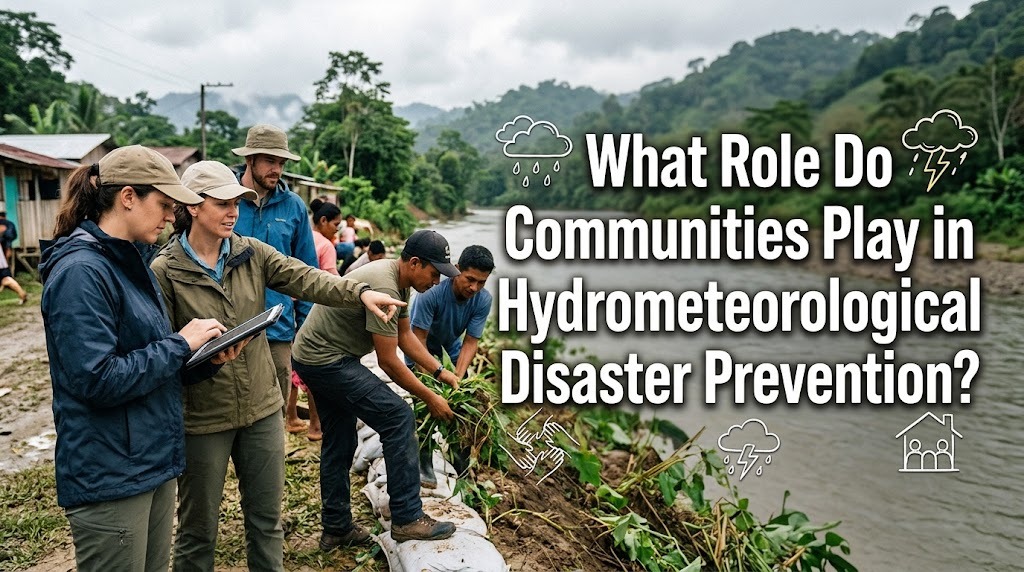
Hydrometeorological disasters are natural hazards associated with weather, climate, and water-related processes. Examples include floods, flash floods, landslides triggered by heavy rainfall, droughts, strong winds, and extreme weather events. These disasters can damage homes, disrupt economic activities, and threaten public safety, particularly in areas with limited disaster preparedness.
Preventing and reducing the impact of hydrometeorological disasters requires cooperation between governments, disaster management agencies, and local communities. Residents play an important role because they understand the environmental conditions around their neighborhoods and are often the first to notice unusual changes. Through environmental protection, risk awareness, early reporting, and collective preparedness, communities can help reduce disaster risks and protect vulnerable residents.
INCREASING DISASTER AWARENESS
Community awareness is an important foundation for hydrometeorological disaster prevention. Residents need to understand the types of hazards that may affect their surroundings, the warning signs to recognize, and the safety measures to take before an emergency occurs.
Educational activities can help people identify potential risks, such as rising river levels, prolonged heavy rainfall, blocked drainage channels, and unstable slopes. Community meetings, public campaigns, and disaster preparedness training can make this information easier to understand.
When residents have sufficient knowledge, they can respond more appropriately to changing environmental conditions. Awareness also encourages individuals to take responsibility for protecting themselves, their families, and their neighborhoods.
MAINTAINING ENVIRONMENTAL CLEANLINESS
Environmental cleanliness directly contributes to reducing certain hydrometeorological disaster risks, particularly flooding. Waste that accumulates in rivers, canals, and drainage systems can obstruct water flow and increase the likelihood of localized inundation during heavy rainfall.
Communities can organize regular cleaning activities, dispose of waste properly, and prevent household rubbish from entering waterways. Residents can also report drainage problems and damaged water channels to local authorities.
These activities help maintain water flow and improve neighborhood sanitation. Although cleaning activities alone cannot eliminate flood risks, they are practical measures that support better local water management.
PROTECTING TREES AND GREEN AREAS
Vegetation plays an important role in maintaining soil stability and managing rainwater. Trees and other plants help reduce surface runoff, protect soil from erosion, and support water absorption into the ground.
Communities can contribute by protecting existing trees, planting suitable vegetation, and preventing unnecessary damage to green areas. In locations with steep slopes, maintaining appropriate vegetation can help reduce erosion and contribute to slope stability.
However, planting trees should be part of a broader environmental management strategy. Soil conditions, drainage, land use, and the characteristics of the area must also be considered when developing prevention measures.
REPORTING EARLY WARNING SIGNS
Residents are often in a good position to observe environmental changes in their immediate surroundings. Unusual river levels, cracks in the ground, leaning trees, sudden changes in water flow, and prolonged rainfall may indicate developing hazards.
Communities should report these observations to local authorities or disaster management agencies through established communication channels. Providing clear information about the location, time, and observed conditions can help authorities assess the situation more effectively.
Early reporting is especially important in areas vulnerable to flash floods and landslides. Although residents cannot always determine whether a disaster will occur, sharing unusual observations can support timely monitoring and preventive action.
PARTICIPATING IN COMMUNITY DISASTER TRAINING
Disaster preparedness training helps residents understand what to do before, during, and after an emergency. These activities may include evacuation exercises, first aid training, emergency communication practice, and simulations of flood or landslide situations.
Through regular training, community members can become familiar with evacuation routes, emergency meeting points, and basic safety procedures. They can also learn how to assist children, older adults, people with disabilities, and other residents who may need additional support.
Community participation makes disaster preparedness more practical because residents can practice responding to situations that may occur in their own neighborhoods. It also helps identify weaknesses in existing emergency plans.
DEVELOPING COMMUNITY-BASED EARLY WARNING SYSTEMS
Community-based early warning systems help distribute hazard information to residents who may be affected. These systems can use official weather alerts, river monitoring information, local observation posts, communication groups, and neighborhood warning signals.
Community leaders and volunteers can help communicate information from disaster management agencies to households. They can also ensure that warnings reach residents who may have limited access to smartphones or internet services.
An effective warning system needs clear communication procedures and reliable information sources. Residents should understand the meaning of each warning and know which actions to take when an alert is issued.
SUPPORTING VULNERABLE COMMUNITY MEMBERS
Hydrometeorological disasters do not affect everyone in the same way. Children, older adults, people with disabilities, pregnant women, and residents with limited mobility may face additional difficulties during evacuation and emergency situations.
Communities can identify residents who may need assistance and develop support arrangements before disasters occur. Neighbors can coordinate transportation, prepare accessible evacuation routes, and help distribute emergency information.
This cooperation makes disaster response more inclusive. It also ensures that preparedness plans consider the needs of all residents rather than focusing only on people who can evacuate independently.
COORDINATING WITH GOVERNMENT AND DISASTER AGENCIES
Community efforts become more effective when they are coordinated with local governments and disaster management agencies. These institutions can provide technical guidance, hazard information, training, and resources for prevention activities.
Residents can participate in neighborhood planning meetings, report infrastructure problems, and share information about local environmental conditions. Community observations may help authorities identify locations that require improved drainage, river management, or additional monitoring.
Coordination also helps prevent misunderstandings during emergencies. When responsibilities and communication channels are established in advance, communities and authorities can work together more efficiently.
PREPARING HOUSEHOLDS FOR EMERGENCIES
Disaster prevention should also begin at the household level. Families need to understand the risks around their homes and prepare for situations that may require temporary evacuation.
Practical preparation includes identifying safe locations, keeping important documents protected, preparing emergency supplies, and discussing communication arrangements among family members. Households should also know the safest evacuation routes and follow official instructions when warnings are issued.
These preparations can reduce confusion during emergencies and help families respond more quickly. Simple household planning becomes especially valuable when combined with broader community preparedness activities.
PRACTICAL COMMUNITY ACTIONS TO REDUCE DISASTER RISKS
Communities can contribute to hydrometeorological disaster prevention through consistent activities that address environmental conditions and improve preparedness.
Several practical actions include:
- Clean Drainage Channels: Remove waste from neighborhood drainage systems to support water flow.
- Protect Green Areas: Maintain vegetation and avoid unnecessary damage to environmentally sensitive land.
- Monitor Local Conditions: Observe river levels, rainfall, drainage problems, and unusual ground movements.
- Report Potential Hazards: Share important observations with local authorities and disaster management agencies.
- Join Training Programs: Participate in evacuation simulations, first aid activities, and disaster education.
- Share Official Warnings: Help distribute verified information to households and vulnerable residents.
- Prepare Emergency Supplies: Encourage families to keep essential items ready for unexpected situations.
These activities are most effective when carried out consistently and supported by appropriate infrastructure, public policies, and technical guidance.
CONCLUSION
Communities play an important role in hydrometeorological disaster prevention through environmental protection, public education, early reporting, and collective preparedness. Residents can help reduce local risks by maintaining drainage systems, protecting vegetation, monitoring environmental changes, and participating in disaster training.
Cooperation between communities, local governments, and disaster management agencies is essential for creating effective prevention strategies. Although community participation cannot eliminate all natural hazards, it can reduce vulnerability, improve emergency readiness, and help protect lives and property.
Recent Posts

Bagaimana Sistem SKS pada Program Kuliah... 22.11.2026/37 View

How Does Technology Make Daily Evaluation... 21.11.2026/70 View

Apa Strategi Menghadapi Kesenjangan antara Kompetensi... 21.11.2026/73 View

Mengapa Inventaris Aset Penting bagi Kelancaran... 21.11.2026/68 View

When Should Musicians Join a Record... 21.11.2026/71 View
