

What Role Do Government Subsidies Play in Supporting Economic Growth?
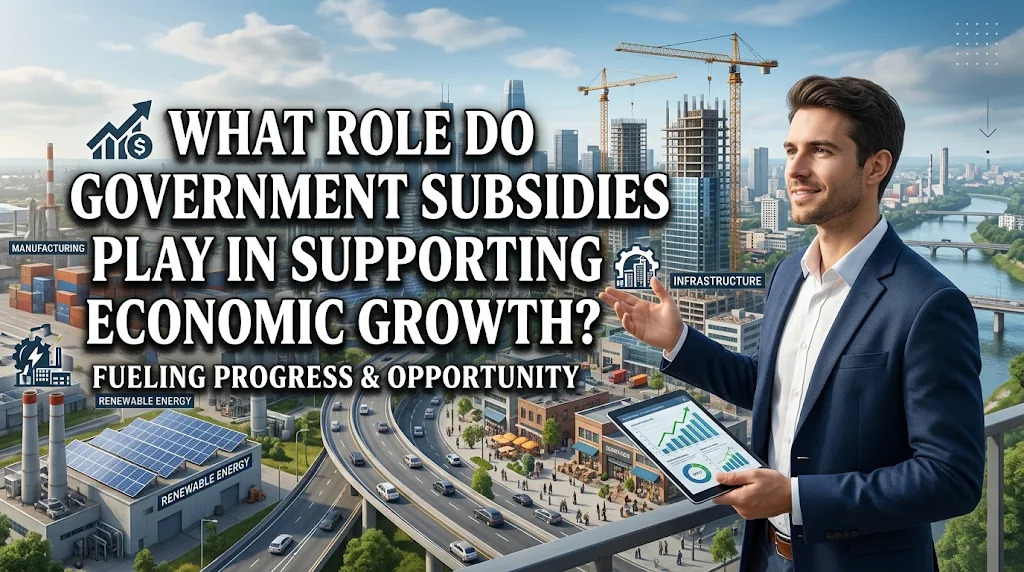
Government subsidies play an important role in supporting economic growth by reducing financial barriers, encouraging productive activities, and improving access to essential goods and services. Governments use subsidies as economic policy instruments to support individuals, businesses, and strategic industries. By providing financial assistance or reducing certain costs, governments can help create conditions that encourage investment, production, and consumption.
In developing countries such as Indonesia, subsidies can contribute to economic development by supporting sectors that have a significant influence on national productivity. These sectors include agriculture, energy, transportation, education, and small businesses. However, the effectiveness of subsidies depends on how they are designed, distributed, and evaluated. Well-managed programs can support long-term development, while poorly targeted subsidies may create unnecessary financial burdens.
ENCOURAGING BUSINESS ACTIVITIES AND INVESTMENT
Government subsidies can encourage business activities by reducing specific operating and production costs. Businesses often face financial challenges related to raw materials, energy, transportation, equipment, and workforce development. When the government provides targeted financial support, companies may have more resources to maintain operations, improve productivity, and expand their activities. This can create a more supportive environment for business development.
Subsidies can also influence investment decisions, particularly in industries that require significant initial funding. For example, government incentives may encourage businesses to invest in renewable energy, modern technology, or strategic manufacturing activities. These investments can strengthen industrial capacity and create new economic opportunities. Nevertheless, subsidies should be directed toward productive activities and evaluated regularly to ensure that public funds generate meaningful economic benefits.
SUPPORTING SMALL AND MEDIUM-SIZED ENTERPRISES
Small and medium-sized enterprises (SMEs) contribute significantly to employment, income generation, and economic activity. However, many small businesses face difficulties accessing financing, purchasing production materials, and competing with larger companies. Government subsidies and related support programs can help reduce some of these barriers. By lowering certain business expenses, the government can create opportunities for smaller enterprises to maintain and develop their operations.
In Indonesia, support for micro, small, and medium enterprises (MSMEs) can take different forms, including financing assistance, training programs, and other government incentives. These initiatives can help business owners improve their skills, adopt digital technology, and strengthen their market competitiveness. When MSMEs become more productive, they can contribute to wider economic activity and employment opportunities. Effective support should also encourage businesses to become increasingly independent rather than relying permanently on government assistance.
STRENGTHENING AGRICULTURAL PRODUCTIVITY
Agriculture is an important sector because it provides food, employment, and raw materials for various industries. However, farmers often face challenges such as fluctuating production costs, limited access to modern equipment, and unpredictable weather conditions. Agricultural subsidies can help address some of these difficulties by making selected production inputs more affordable. This support can improve farmers' ability to maintain agricultural activities and manage operating expenses.
For example, subsidized fertilizer can help eligible farmers obtain essential agricultural inputs at lower prices. Other forms of government support may also encourage the use of improved farming technology and more efficient production methods. Higher agricultural productivity can strengthen food supply and support economic activities in rural communities. However, subsidies need to be accompanied by better irrigation, agricultural education, infrastructure, and market access to produce sustainable improvements.
CREATING EMPLOYMENT OPPORTUNITIES
Government subsidies can indirectly support job creation by helping businesses maintain or expand their operations. When production costs become more manageable, companies may have greater opportunities to invest in equipment, increase output, or develop new services. Expanding business activities can increase demand for workers in manufacturing, transportation, agriculture, and other industries. As a result, targeted subsidies may contribute to employment growth.
Subsidies can also support human capital development through programs related to education, vocational training, and skills improvement. A more skilled workforce can help businesses adopt new technologies and improve productivity. These developments can strengthen the relationship between education and labor market needs. However, employment benefits are not automatic, so governments should evaluate whether subsidy programs actually improve business performance and create sustainable jobs.
IMPROVING PUBLIC WELFARE AND ECONOMIC PARTICIPATION
Economic growth becomes more meaningful when its benefits can reach different groups within society. Government subsidies can help eligible households access essential goods and services at more affordable prices. Support for education, healthcare, energy, and transportation can reduce financial barriers that prevent people from participating fully in economic activities. This is especially important for communities with limited financial resources.
When households can manage essential expenses more effectively, they may have greater opportunities to invest in education, improve their skills, and participate in productive activities. Better access to public services can also strengthen workforce quality and long-term productivity. Nevertheless, subsidies should be combined with effective social protection, infrastructure development, and employment policies. This approach can help ensure that economic growth is more inclusive and benefits society more broadly.
CONCLUSION
Government subsidies support economic growth by encouraging business investment, strengthening MSMEs, improving agricultural productivity, creating employment opportunities, and increasing public access to essential services. Their contribution depends on accurate targeting, transparent management, and effective evaluation. When subsidies are directed toward productive and strategic sectors, they can strengthen national competitiveness and support sustainable economic development.
Recent Posts

Bagaimana Sistem SKS pada Program Kuliah... 22.11.2026/25 View

How Does Technology Make Daily Evaluation... 21.11.2026/64 View

Apa Strategi Menghadapi Kesenjangan antara Kompetensi... 21.11.2026/65 View

Mengapa Inventaris Aset Penting bagi Kelancaran... 21.11.2026/62 View

When Should Musicians Join a Record... 21.11.2026/61 View
