

What Role Do Social Volunteers Play in Supporting Children and Elderly People?
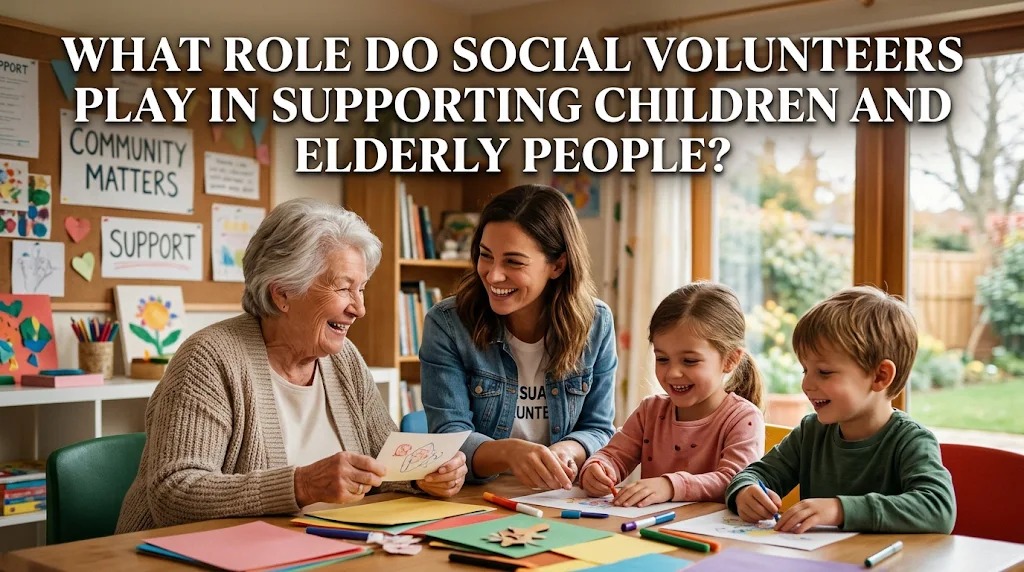
Social volunteers play an important role in supporting children and elderly people who may need additional care, attention, and assistance. Both groups can face different challenges in their daily lives. Children need proper education, protection, nutrition, and opportunities to develop, while elderly people may experience health problems, limited mobility, loneliness, or difficulties performing everyday activities. Social volunteers help address some of these challenges through community programs, direct assistance, and emotional support.
Their involvement can make communities more caring and inclusive. Volunteers may organize educational activities for children, visit elderly people, distribute essential supplies, and help connect vulnerable individuals with appropriate services. Although volunteers cannot replace parents, caregivers, teachers, or healthcare professionals, they can provide valuable support when working within their abilities. Their contributions can improve quality of life and strengthen relationships between different generations.
SUPPORTING CHILDREN'S EDUCATION AND DEVELOPMENT
One important role of social volunteers is helping children access better learning opportunities. Some children come from families with limited financial resources and may not have access to additional educational support. Volunteers can organize free tutoring sessions, reading programs, creative workshops, and other learning activities. They may teach basic subjects such as mathematics, science, and English according to their knowledge and abilities. These activities can help children improve their understanding, develop confidence, and become more interested in learning.
Volunteers can also support children's personal and social development through positive activities. Sports, art projects, storytelling, and group games can help children develop creativity, communication, and teamwork skills. These activities give children opportunities to express themselves and interact with others in a supportive environment. Volunteers should use age-appropriate approaches and respect each child's individual needs. Through consistent guidance, they can contribute to children's growth and encourage them to explore their potential.
PROVIDING CARE AND PROTECTION FOR CHILDREN
Children need a safe environment where they can grow without experiencing neglect, violence, or exploitation. Social volunteers can help promote child protection by supporting educational campaigns about children's rights, safety, and healthy relationships. They may also participate in community programs that provide safe recreational activities and positive social interactions. In some situations, volunteers can help identify concerns and report suspected abuse or neglect through appropriate safeguarding channels. This role is important because children may not always know how to seek help when they experience unsafe situations.
Volunteers must understand that working with children requires special care and responsibility. They should follow safeguarding rules, respect privacy, obtain appropriate permission, and avoid situations that could put children at risk. Volunteers should never investigate suspected abuse independently or promise absolute confidentiality when a child may be in danger. Instead, they should contact qualified professionals or relevant child protection authorities. With proper training and supervision, volunteers can help create safer environments for children in their communities.
PROVIDING COMPANIONSHIP AND EMOTIONAL SUPPORT FOR ELDERLY PEOPLE
Many elderly people experience loneliness because they live alone, have limited social interaction, or are separated from family members. Social volunteers can help by visiting them, having conversations, listening to their experiences, and participating in simple recreational activities. These interactions can make elderly individuals feel valued and less isolated. Volunteers may also organize group gatherings, community celebrations, and hobby activities that encourage older people to stay socially connected. Regular companionship can contribute to emotional well-being and create stronger relationships within the community.
Emotional support also involves treating elderly people with patience, respect, and understanding. Volunteers should listen carefully to their concerns and avoid making them feel dependent or incapable. Some elderly individuals may have different communication needs or require additional time to complete activities. Volunteers can adjust their approach to make interactions more comfortable and meaningful. When an elderly person shows signs of serious emotional distress or requires specialized support, volunteers should help connect them with qualified professionals.
ASSISTING ELDERLY PEOPLE WITH DAILY NEEDS
Social volunteers can provide practical assistance to elderly people who have difficulty completing certain daily activities. Depending on their training and the program's rules, they may help with grocery shopping, collecting essential supplies, preparing simple meals, or accompanying elderly residents to community services. These activities can make everyday life easier for people with limited mobility or insufficient family support. Volunteers may also help maintain clean and comfortable living environments through community assistance programs. However, personal care and medical tasks should only be performed by people with the appropriate skills and authorization.
Volunteers can also help elderly people access information about healthcare and social assistance programs. For example, they may share information about community health services, transportation support, or available government assistance. Some programs work with healthcare professionals to organize health education and routine community activities for older residents. Volunteers should not diagnose illnesses, recommend treatments, or change medication schedules. By providing appropriate assistance and connecting elderly people with professional services, they can help support safer and more comfortable daily living.
BUILDING INCLUSIVE AND SUPPORTIVE COMMUNITIES
Social volunteers do more than help individuals because their activities can also strengthen relationships throughout the community. Programs involving children and elderly people can encourage interaction between different generations. For example, children can participate in storytelling sessions with elderly residents, while older people can share traditional knowledge, life experiences, and practical skills. These activities help both groups learn from each other and develop mutual respect. They can also reduce social isolation and create a stronger sense of belonging.
Community involvement is important for making support programs sustainable. Volunteers can work with families, schools, community organizations, and social service institutions to identify needs and develop suitable activities. Cooperation also helps ensure that children and elderly people receive assistance from the right sources when their needs become more complex. Programs should be evaluated regularly to understand their benefits and identify areas that need improvement. Through consistent collaboration, communities can create environments where people of all ages feel respected, protected, and supported.
CONCLUSION
Social volunteers play an important role in supporting children and elderly people through education, protection, companionship, practical assistance, and community activities. Their contributions help children develop their abilities while giving elderly individuals opportunities to maintain social connections and receive appropriate support. Although volunteers cannot replace professional caregivers or healthcare workers, they can strengthen existing support systems through responsible involvement. Successful programs require empathy, patience, proper training, and cooperation with families and relevant institutions. By participating in meaningful social activities, volunteers can help create a safer, healthier, and more inclusive community for people of all ages.
Recent Posts

Bagaimana Sistem SKS pada Program Kuliah... 22.11.2026/25 View

How Does Technology Make Daily Evaluation... 21.11.2026/64 View

Apa Strategi Menghadapi Kesenjangan antara Kompetensi... 21.11.2026/65 View

Mengapa Inventaris Aset Penting bagi Kelancaran... 21.11.2026/62 View

When Should Musicians Join a Record... 21.11.2026/61 View
