

What Role Do Teachers Play in Encouraging Reading?
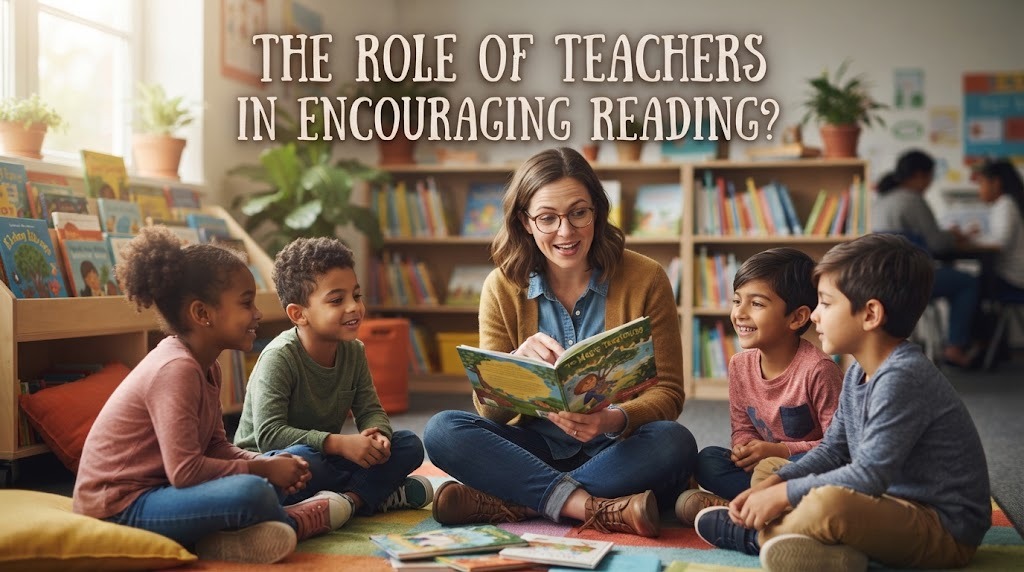
Teachers play an important role in encouraging students to develop regular reading habits. Their attitudes, teaching methods, and recommendations can influence how students view reading. A teacher can make reading feel interesting and useful instead of treating it only as a school requirement. By creating supportive reading activities, teachers can help students discover books and topics that match their interests. Their guidance can also help students become more confident and independent readers.
BECOMING POSITIVE READING ROLE MODELS
Teachers can encourage reading by showing positive attitudes toward books and other reading materials. When students see their teachers reading and discussing interesting topics, they can recognize that reading is useful beyond completing assignments. Teachers can share book recommendations or briefly discuss something interesting they have read. These simple examples can make reading seem like a natural part of everyday life. A positive role model can influence students more effectively than instructions alone.
RECOMMENDING SUITABLE READING MATERIALS
Not every student has the same interests or reading ability. Teachers can help by recommending books, articles, stories, and other materials that match individual preferences. A student who enjoys technology may prefer science or digital topics, while another student may enjoy fiction or biographies. Suitable recommendations can make it easier for students to find materials they genuinely enjoy. Once students discover interesting reading materials, they may become more willing to read independently.
CREATING ENJOYABLE READING ACTIVITIES
Teachers can make reading more engaging through creative classroom activities. They can organize book discussions, storytelling, reading challenges, short presentations, quizzes, or group projects based on reading materials. These activities allow students to interact with what they read instead of simply answering questions. Students can also share opinions and recommendations with their classmates. An enjoyable reading experience can increase motivation and encourage students to read more often.
GIVING STUDENTS FREEDOM TO CHOOSE
Giving students some freedom to choose their reading materials can increase their interest. Students are more likely to enjoy reading when they can select books based on their hobbies, favorite topics, or preferred genres. Teachers can provide several appropriate options while allowing students to make the final choice. This approach gives students a sense of responsibility for their own reading. It can also help them develop independent reading habits over time.
PROVIDING REGULAR READING TIME
Teachers can help students build consistency by including reading time in regular learning activities. Even a short reading session can give students an opportunity to practice their skills. Regular exposure can gradually make reading feel familiar and less difficult. Teachers can also encourage students to continue reading at home by suggesting simple daily goals. Consistency is important because strong reading habits usually develop through repeated practice.
HELPING STUDENTS UNDERSTAND DIFFICULT TEXTS
Some students avoid reading because they find certain texts difficult to understand. Teachers can support them by explaining unfamiliar vocabulary, providing context, and showing strategies for identifying important information. They can guide students to break long texts into smaller sections and understand the main ideas gradually. This support can reduce frustration and increase confidence. When students learn how to approach difficult texts, they may become more willing to explore challenging materials.
CONNECTING READING WITH REAL LIFE
Reading can become more meaningful when teachers connect texts to students' everyday experiences. A lesson about technology, for example, can be connected to the devices students use in their daily lives. Stories can also be discussed in relation to friendship, responsibility, communication, or other familiar situations. These connections help students understand why reading is useful outside the classroom. When students see practical value in reading, they may develop stronger motivation to continue.
ENCOURAGING DISCUSSION AND SHARING
Teachers can create opportunities for students to discuss what they have read with classmates. Students can explain their opinions, ask questions, and recommend books to one another. Group discussions can introduce students to different interpretations and perspectives. They can also make reading a social experience instead of an activity that students always do alone. A supportive discussion environment can encourage students to become more confident in expressing their ideas.
RECOGNIZING STUDENTS' READING PROGRESS
Positive recognition can motivate students to continue improving their reading habits. Teachers can appreciate students who complete books, participate in discussions, or show improvement in understanding texts. Recognition does not have to involve large rewards because simple praise or constructive feedback can be meaningful. Students can feel more confident when their efforts are noticed. This encouragement can help them view reading progress as a personal achievement.
BUILDING A SAFE AND SUPPORTIVE READING ENVIRONMENT
Students need to feel comfortable when developing new reading habits. Teachers should avoid making students feel embarrassed because they read slowly, make mistakes, or have different reading preferences. Instead, they can provide patient guidance and allow students to improve gradually. A supportive environment encourages students to ask questions and try materials that may initially seem difficult. When students feel safe and respected, they are more likely to participate actively in reading activities.
CONCLUSION
Teachers play a major role in encouraging reading by becoming positive role models, recommending suitable materials, creating enjoyable activities, and providing regular reading opportunities. They can also help students overcome difficult texts, connect reading with real life, and develop confidence through discussion and positive feedback. By giving students appropriate freedom and support, teachers can make reading more enjoyable and meaningful. Their consistent encouragement can help students develop reading habits that continue beyond school. In this way, teachers contribute significantly to a stronger reading culture among young people.
Recent Posts

Bagaimana Sistem SKS pada Program Kuliah... 22.11.2026/35 View

How Does Technology Make Daily Evaluation... 21.11.2026/69 View

Apa Strategi Menghadapi Kesenjangan antara Kompetensi... 21.11.2026/70 View

Mengapa Inventaris Aset Penting bagi Kelancaran... 21.11.2026/67 View

When Should Musicians Join a Record... 21.11.2026/69 View
