

What Role Do Young People Play In Combating Climate Change?
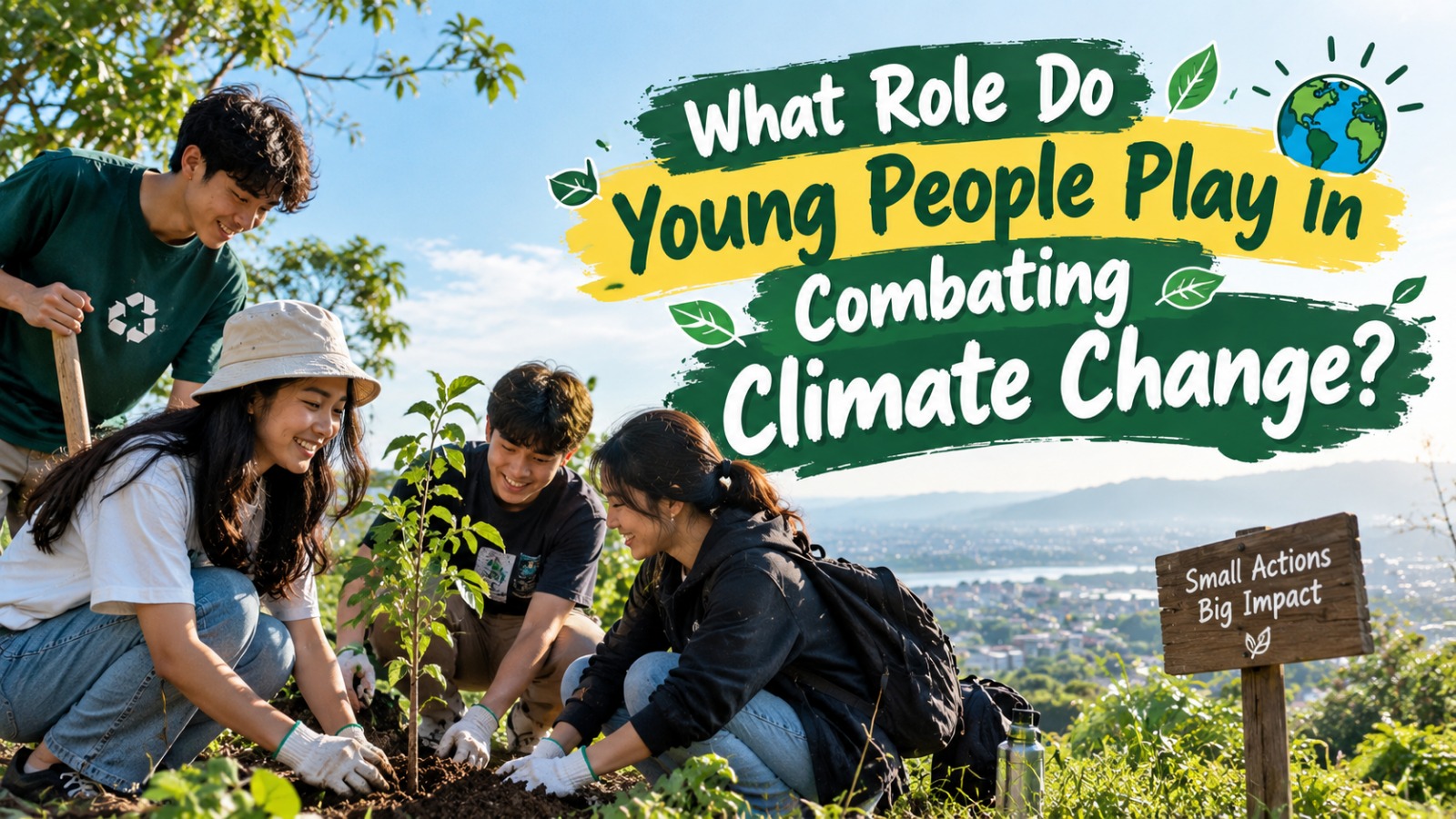
Climate change is one of the most urgent challenges facing the world today. Rising temperatures, extreme weather, droughts, floods, and rising sea levels threaten ecosystems and human communities. Although governments and businesses have major responsibilities for reducing greenhouse gas emissions, young people also play an important role in combating climate change. Through education, sustainable habits, community projects, and public participation, they can help create positive environmental changes. Their ideas, energy, and ability to connect through digital platforms make them valuable contributors to building a more sustainable future.
RAISING AWARENESS ABOUT CLIMATE CHANGE
One important role young people play is spreading awareness about climate change. They can share reliable information through school activities, community discussions, social media, and environmental campaigns. By explaining the causes and effects of global warming, they can help others understand why climate action matters. Climate awareness encourages people to recognize environmental problems and consider practical solutions. Young people can also help correct misinformation by referring to trustworthy scientific sources.
Schools and universities provide useful opportunities to develop environmental awareness. Students can organize presentations, create educational posters, or hold discussions about renewable energy, pollution, and forest conservation. These activities help make climate issues easier to understand for people of different ages. When young people communicate clearly and responsibly, they can encourage families, friends, and communities to take environmental problems more seriously.
ADOPTING SUSTAINABLE DAILY HABITS
Young people can contribute to climate action by making environmentally responsible choices in their everyday lives. Simple habits include saving electricity, using reusable bags and bottles, reducing food waste, and separating recyclable materials. Walking, cycling, using public transportation, or sharing rides can also reduce emissions from travel. Consistent sustainable habits help reduce unnecessary resource consumption and can influence others to make similar changes.
Young people can also think carefully about what they buy and how long they use their belongings. Repairing items, reusing materials, and avoiding unnecessary purchases can reduce waste and the demand for new products. However, individual lifestyle changes alone cannot solve climate change. Personal responsibility is most effective when combined with broader action from businesses, communities, and governments.
PARTICIPATING IN ENVIRONMENTAL ACTIVITIES
Environmental activities allow young people to turn their knowledge into practical action. They can join tree-planting programs, clean up rivers and beaches, maintain school gardens, or participate in recycling campaigns. These projects can improve local environments while teaching teamwork and responsibility. Community involvement helps young people contribute directly to environmental protection. It also allows them to understand the environmental challenges affecting their neighborhoods.
Young people can work with schools, environmental organizations, and local authorities to organize long-term projects. For example, a student group could monitor waste at school and suggest ways to reduce single-use plastics. Another group might promote water conservation or help restore a damaged green space. Activities are more effective when they are carefully planned, appropriate for local conditions, and maintained over time.
USING DIGITAL TECHNOLOGY FOR CLIMATE ACTION
Digital technology gives young people powerful tools for learning about and addressing climate change. They can use websites, educational videos, and online courses to understand environmental science and discover possible solutions. Social media can help them share climate information, promote community activities, and reach audiences beyond their immediate surroundings. Digital platforms can turn local environmental initiatives into wider public conversations.
Young people can also use digital tools to create campaigns, collect environmental data, or design applications that encourage sustainable behavior. For example, they might develop a website that explains local recycling rules or create a campaign to reduce electricity use at school. However, they should verify information before sharing it because misleading environmental claims can spread quickly online. Responsible digital communication helps ensure that climate campaigns remain accurate and useful.
ENCOURAGING GOVERNMENTS AND BUSINESSES TO TAKE ACTION
Young people can influence climate decisions by participating in public discussions and expressing their concerns to decision-makers. They may join youth councils, environmental organizations, public consultations, or peaceful climate campaigns. These activities can draw attention to issues such as air pollution, public transportation, renewable energy, and forest protection. Youth participation helps bring the perspectives and future concerns of younger generations into climate discussions.
Young people can also encourage businesses to reduce waste, use energy efficiently, and adopt more responsible production methods. They may support companies that provide credible environmental information and avoid misleading environmental claims. Their influence as consumers and community members can help increase demand for sustainable products and services. Although young people cannot make every policy decision themselves, their participation can contribute to public pressure for stronger climate action.
DEVELOPING INNOVATIVE CLIMATE SOLUTIONS
Young people often bring fresh ideas and different perspectives to environmental challenges. Through science projects, competitions, research, and entrepreneurship, they can explore ways to reduce waste, save energy, and protect natural resources. Examples include designing low-cost water-saving systems, creating reusable products, or developing tools to monitor local pollution. Innovation can help communities find practical and affordable ways to address climate-related problems.
Schools, universities, and youth organizations can support these ideas by providing mentorship, funding opportunities, and access to scientific resources. Young innovators should test their ideas carefully and evaluate whether the solutions are safe, effective, and environmentally beneficial. Not every idea will succeed, but experimentation can build valuable problem-solving skills. Supporting youth innovation can also prepare the next generation for careers in renewable energy, environmental science, and sustainable business.
BUILDING CLIMATE RESILIENCE IN LOCAL COMMUNITIES
Combating climate change involves both reducing emissions and preparing for its existing effects. Young people can help communities understand risks such as flooding, extreme heat, drought, and water shortages. They can participate in disaster preparedness activities, share verified safety information, and support local efforts to protect vulnerable residents. Climate resilience means helping people and communities prepare for, respond to, and recover from climate-related challenges.
Young people can also contribute to projects that protect local ecosystems, such as restoring mangroves, caring for urban trees, and conserving water. These activities can provide environmental benefits while helping communities manage certain climate risks. Their work should be coordinated with qualified organizations and local authorities, especially when safety or technical expertise is required. By learning about local risks and working together, young people can help strengthen community preparedness.
CHALLENGES YOUNG PEOPLE FACE IN CLIMATE ACTION
Despite their important role, young people may face barriers when trying to take climate action. Some lack funding, access to reliable information, practical environmental education, or opportunities to participate in decision-making. Others may feel that their individual efforts are too small to make a difference. Access to education, supportive communities, and meaningful opportunities can help young people overcome these challenges.
Schools, governments, businesses, and community organizations can provide training, resources, and platforms for youth participation. Adults should listen to young people's ideas and involve them in decisions that affect their future. Climate programs should also be accessible to young people from different economic and social backgrounds. With appropriate support, more young people can contribute their skills and creativity to effective environmental initiatives.
CONCLUSION
Young people play an important role in combating climate change through environmental education, sustainable habits, community participation, digital communication, and innovation. They can raise awareness, influence public discussions, and help communities prepare for climate-related risks. Their actions are most effective when supported by governments, businesses, educational institutions, and local communities. Although young people cannot solve climate change alone, their involvement can encourage wider cooperation and long-term progress. By learning, working together, and taking responsible action, young people can help build a cleaner, safer, and more sustainable future.
Recent Posts

Bagaimana Sistem SKS pada Program Kuliah... 22.11.2026/49 View

How Does Technology Make Daily Evaluation... 21.11.2026/76 View

Apa Strategi Menghadapi Kesenjangan antara Kompetensi... 21.11.2026/78 View

Mengapa Inventaris Aset Penting bagi Kelancaran... 21.11.2026/74 View

When Should Musicians Join a Record... 21.11.2026/78 View
