

What Role Does a Vice Principal Play in Preventing Bullying in Schools?
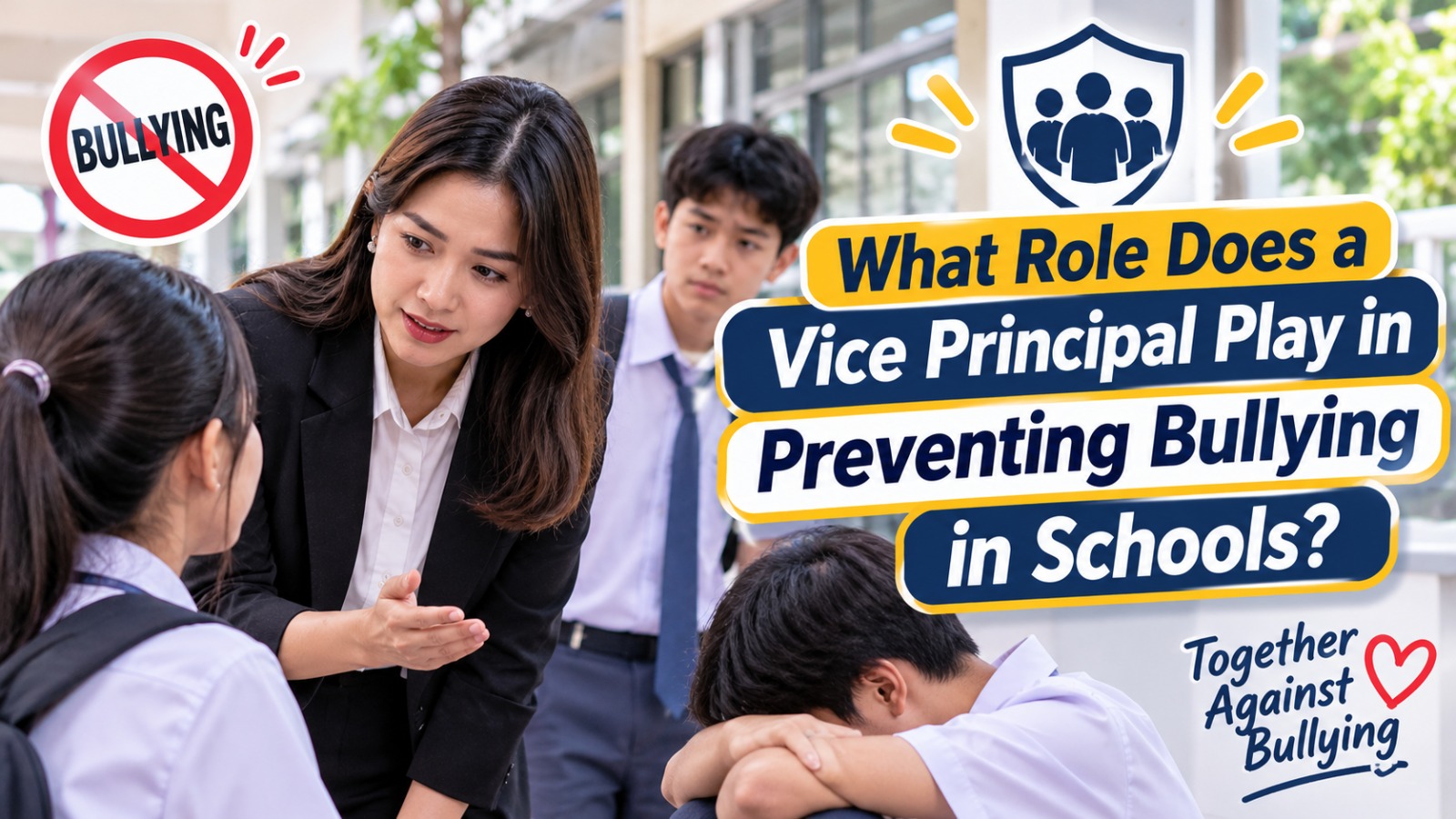
Bullying is a serious problem that can affect students' emotional well-being, academic performance, social relationships, and sense of safety at school. It can occur in different forms, including physical aggression, verbal harassment, social exclusion, and cyberbullying. In preventing these behaviors, a vice principal has an important responsibility to help create a safe, respectful, and supportive educational environment. The vice principal works with teachers, students, parents, school counselors, and other staff members to identify bullying incidents and develop appropriate prevention strategies. Through effective leadership, supervision, and communication, vice principals can help build a school culture where every student feels protected, respected, and comfortable participating in learning activities.
ESTABLISHING CLEAR ANTI-BULLYING POLICIES
One of the main responsibilities of a vice principal in preventing bullying is helping establish clear school policies against harmful behavior. These policies should explain what bullying involves, including physical violence, insulting language, intimidation, repeated harassment, and social exclusion. Students need to understand that bullying is unacceptable and that every individual has the right to learn in a safe environment. Clear regulations also help teachers and school staff recognize behaviors that require attention.
Furthermore, the vice principal should ensure that anti-bullying policies are communicated consistently to the entire school community. Information can be delivered through classroom discussions, school assemblies, student orientation programs, and educational campaigns. The policies should also explain how students can report incidents and what steps the school will take when complaints are received. Through clear anti-bullying regulations and consistent implementation, schools can establish stronger protection for students and discourage harmful behavior.
IDENTIFYING AND RESPONDING TO BULLYING INCIDENTS
Early identification is essential because bullying may happen in places that receive limited supervision, such as hallways, schoolyards, changing areas, or online communication platforms. A vice principal can work with teachers and other staff members to monitor student interactions and recognize warning signs. These signs may include sudden changes in behavior, frequent absences, declining academic performance, social withdrawal, or visible fear of certain classmates. However, these signs should be treated as reasons to provide support and investigate carefully rather than immediate proof of bullying.
When a bullying incident is reported, the vice principal should respond promptly and handle the situation objectively. This involves listening to the affected student, gathering information from relevant witnesses, documenting the incident, and following school procedures. Students who experience bullying must receive appropriate protection and support, while students responsible for harmful behavior should receive fair and educational consequences. Through early detection, careful investigation, and appropriate intervention, vice principals can prevent bullying situations from becoming more serious.
PROVIDING SUPPORT AND PROTECTION FOR AFFECTED STUDENTS
Students who experience bullying may suffer from fear, anxiety, reduced confidence, social isolation, and difficulties concentrating in class. Therefore, the vice principal must ensure that affected students receive proper attention and protection. One important step is providing a safe opportunity for students to explain what happened without feeling blamed or embarrassed. The vice principal can coordinate with school counselors to provide emotional support and help students regain their confidence.
In addition, schools should take practical steps to prevent further harassment. These may include increasing supervision in certain areas, adjusting seating arrangements when appropriate, monitoring interactions, and establishing safe reporting channels. Parents or guardians should also be involved when necessary, especially when the incident requires additional support. Through student protection and emotional support, vice principals can help affected students feel safer and continue their education without unnecessary fear.
EDUCATING STUDENTS ABOUT RESPECT AND POSITIVE BEHAVIOR
Preventing bullying should involve education and character development rather than relying only on disciplinary action. Vice principals can encourage teachers to include discussions about empathy, respect, tolerance, responsibility, and appropriate communication in school activities. Students need to understand that differences in appearance, background, interests, abilities, or opinions should never become reasons to mistreat others. Educational activities can help students recognize the impact of their words and actions.
Schools can also organize anti-bullying campaigns, student discussions, peer-support activities, and character-building programs. These activities encourage students to support classmates who experience harassment and avoid participating in harmful behavior. Students should also learn how to respond safely when witnessing bullying, including reporting incidents to trusted adults instead of encouraging the behavior. By promoting empathy, mutual respect, and positive character development, vice principals can help create a school culture that discourages bullying.
STRENGTHENING COOPERATION WITH TEACHERS AND PARENTS
Preventing bullying requires cooperation between school leaders, teachers, and parents. Teachers often have direct contact with students and can recognize changes in classroom behavior or relationships. The vice principal can coordinate with teachers to share relevant observations, monitor student interactions, and respond consistently to reported incidents. Regular discussions also help teachers understand school procedures for handling bullying cases.
Parents play an equally important role because they can observe changes in their children's behavior outside school. Vice principals should maintain open communication with families and encourage them to report concerns when they suspect bullying. Schools and parents can work together to provide guidance, monitor behavioral changes, and establish appropriate support for affected students. Through school and family collaboration, bullying prevention becomes a shared responsibility rather than a task handled by school leaders alone.
PREVENTING CYBERBULLYING AND EVALUATING SCHOOL SAFETY
The development of digital technology has created new challenges in preventing bullying. Cyberbullying can occur through social media, messaging applications, online games, and other digital platforms. It may involve threatening messages, spreading embarrassing information, sharing private images without permission, or creating harmful content about other students. A vice principal should help students understand responsible digital behavior and the consequences of online harassment.
Schools can provide digital safety education, explain appropriate online communication, and establish procedures for reporting cyberbullying incidents. The vice principal should also evaluate the effectiveness of anti-bullying programs by reviewing reports, gathering feedback, and discussing school safety with teachers and students. If certain prevention strategies are ineffective, improvements should be introduced based on the problems identified. Through digital awareness, regular monitoring, and continuous evaluation, vice principals can help protect students both inside and outside the school environment.
CONCLUSION
A vice principal plays an important role in preventing bullying by establishing school policies, identifying incidents, protecting affected students, educating students about positive behavior, strengthening cooperation with parents and teachers, and addressing cyberbullying. These responsibilities require leadership, empathy, communication, fairness, and strong problem-solving abilities. Bullying prevention should not depend on punishment alone but must also involve education, supervision, emotional support, and consistent school policies. Every member of the school community has a responsibility to help maintain a safe and respectful environment. Ultimately, effective vice principal leadership can contribute to a school culture where students feel protected, valued, and encouraged to develop academically and socially.
Recent Posts

Bagaimana Sistem SKS pada Program Kuliah... 22.11.2026/12 View

How Does Technology Make Daily Evaluation... 21.11.2026/63 View

Apa Strategi Menghadapi Kesenjangan antara Kompetensi... 21.11.2026/64 View

Mengapa Inventaris Aset Penting bagi Kelancaran... 21.11.2026/61 View

When Should Musicians Join a Record... 21.11.2026/59 View
