

What Role Does Family Play in Building Reading Habits?
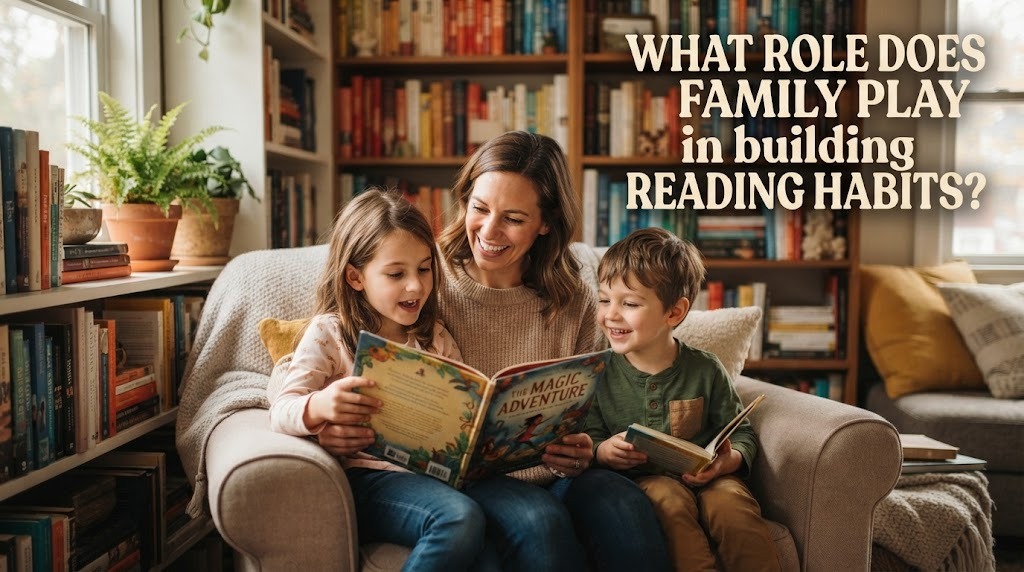
Reading habits are regular patterns of reading that develop through repeated practice and a supportive environment. Although schools and libraries provide important access to books and information, the family can have a strong influence on how children and young people view reading. The home is often the first environment where children learn whether reading is considered useful, enjoyable, or simply a school requirement. Parents and other family members can influence these attitudes through their everyday behavior. For this reason, family involvement is an important part of building a lasting reading culture.
FAMILY BECOMES THE FIRST READING ENVIRONMENT
The family is often a child's first learning environment. Before children become familiar with school libraries or formal reading programs, they may encounter books, stories, and other reading materials at home. Simple activities such as reading bedtime stories or looking at picture books can introduce children to the enjoyment of reading. These early experiences can create positive associations with books and learning.
A home that provides accessible reading materials can make reading feel like a normal part of daily life. Books do not always need to be expensive or extensive in number. Age-appropriate storybooks, magazines, educational materials, and reliable digital resources can all provide opportunities for children to read.
PARENTS CAN BECOME POSITIVE ROLE MODELS
Children often learn by observing the behavior of adults around them. When parents regularly read books, newspapers, articles, or other useful materials, children can see that reading is a valuable everyday activity. This example may influence children to become curious about what their parents are reading. Parents do not need to read for long periods to provide a positive example.
Showing genuine interest in reading can be more effective than simply telling children to read. When children see family members enjoying books and discussing what they have learned, they may develop a more positive attitude toward reading. This can gradually help reading become a shared family habit.
CREATES A REGULAR READING ROUTINE
Consistency is important when developing a reading habit. Families can establish a regular reading schedule, such as reading for a short period before bedtime or during a quiet part of the day. A routine helps children understand that reading is a normal activity rather than something they only do when they have homework. Even a few minutes of consistent reading can provide useful practice.
The routine should remain realistic and flexible. If children are tired or have other responsibilities, forcing them to read for a long time may make reading feel like a punishment. A comfortable and manageable routine is more likely to become a lasting habit.
PROVIDES ACCESS TO INTERESTING MATERIALS
Children are more likely to read when they can find materials that match their interests and reading levels. Parents can provide different types of materials, including fiction, comics, biographies, magazines, educational books, and trustworthy online articles. Giving children choices allows them to discover what they enjoy instead of assuming that one type of book will suit everyone.
Reading materials should also be appropriate for the child's age and ability. A book that is too difficult may cause frustration, while material that is too simple may not provide enough challenge. Offering varied and suitable reading materials can make reading more enjoyable and encourage children to continue.
ENCOURAGES DISCUSSION ABOUT READING
Reading becomes more meaningful when family members discuss what they have read. Parents can ask simple questions about a story, character, topic, or new piece of information. These conversations encourage children to explain their ideas and opinions instead of simply finishing a book. They can also help parents understand what their children are interested in.
Family discussions can also develop critical thinking skills. Parents can ask children why they agree or disagree with an idea or what they think might happen next in a story. Such conversations teach children that reading is not only about remembering information but also about thinking and interpreting.
MAKES READING ENJOYABLE
Children may lose interest in reading if it is always connected with tests, homework, or grades. Families can help change this perception by making reading a positive and enjoyable experience. Parents can allow children to choose books based on their interests and create comfortable spaces where they can read without unnecessary pressure.
Families can also combine reading with other activities. For example, parents and children can read a story together and then discuss the characters or create a simple activity related to the topic. When children associate reading with curiosity and enjoyment, they may be more motivated to read voluntarily.
SUPPORTS DIGITAL READING RESPONSIBLY
Modern children have access to many digital reading materials. Smartphones, tablets, computers, and e-readers can provide access to e-books, articles, educational websites, and digital libraries. Families can use these resources to expand reading opportunities, especially when printed books are not easily available.
However, parents should help children develop responsible digital reading habits. They can teach children to check whether an online source is reliable and to distinguish useful information from misleading content. Setting reasonable screen routines can also help children balance digital reading with other activities.
ENCOURAGES READING IN EVERYDAY LIFE
Reading does not have to happen only with traditional books. Families can show children that reading is useful in everyday situations. Children can read recipes while helping prepare food, instructions when using a product, labels while shopping, or information about places during a trip. These activities demonstrate that reading has practical value.
This approach can help children understand that reading is a life skill, not merely an academic requirement. When children see how reading helps them solve everyday problems and discover information, they may become more motivated to use reading independently.
PROVIDES ENCOURAGEMENT AND SUPPORT
Developing a reading habit can take time, especially for children who are not naturally interested in books. Family members can provide positive encouragement when children make progress. Praising their effort, asking about their reading interests, and celebrating completed books can help strengthen motivation.
Parents should avoid comparing one child's reading ability with another child's. Children develop at different speeds, and excessive pressure can make reading feel stressful. A supportive family environment can help children build confidence and gradually improve their reading skills.
CONCLUSION
Family plays an important role in building reading habits because the home can provide the first reading environment, positive role models, routines, resources, and emotional support. Parents can encourage reading by making books accessible, allowing children to choose suitable materials, discussing what they read, and showing positive reading behavior themselves. Reading can also be integrated into everyday activities and responsible digital experiences. Most importantly, families should make reading feel meaningful rather than treating it only as a school obligation. With consistent support, children can develop reading habits that continue into adolescence and lifelong learning.
Recent Posts

Bagaimana Sistem SKS pada Program Kuliah... 22.11.2026/35 View

How Does Technology Make Daily Evaluation... 21.11.2026/69 View

Apa Strategi Menghadapi Kesenjangan antara Kompetensi... 21.11.2026/70 View

Mengapa Inventaris Aset Penting bagi Kelancaran... 21.11.2026/67 View

When Should Musicians Join a Record... 21.11.2026/69 View
