

What Role Does Fiber Play in Digestive Health?
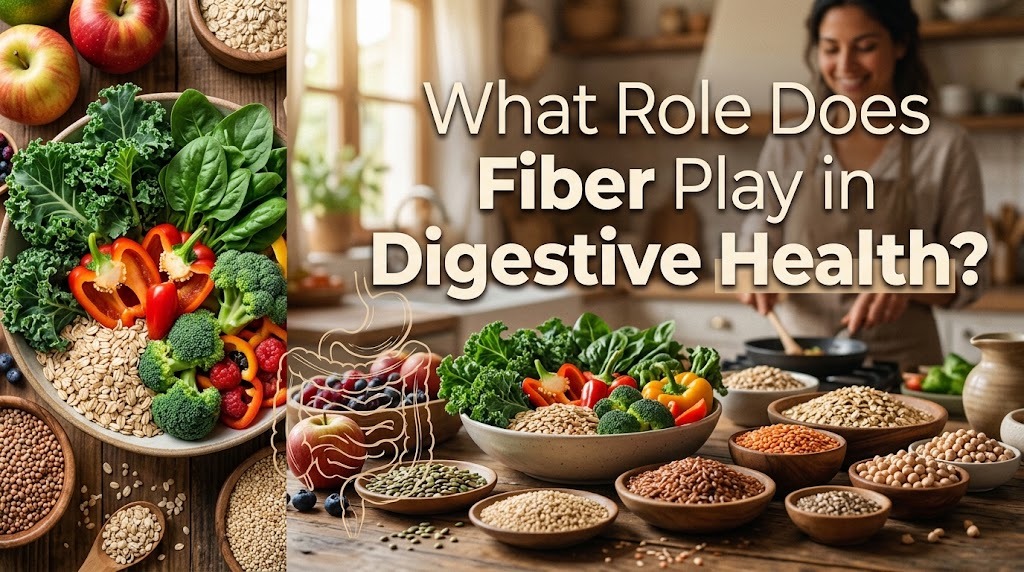
Fiber is an important part of a balanced diet because it supports normal digestion and helps maintain a healthy digestive system. Unlike many other carbohydrates, dietary fiber is not fully broken down by enzymes in the small intestine. Instead, it passes through the digestive tract and affects how food moves, how stools form, and how gut microorganisms function.
Eating enough fiber can help prevent constipation, support beneficial gut bacteria, and contribute to overall health. However, many people do not consume enough fiber because their diets contain limited amounts of vegetables, fruits, legumes, and whole grains. Understanding the role of fiber can help people make better food choices and develop healthier eating habits.
WHAT IS DIETARY FIBER?
Dietary fiber is a type of carbohydrate found naturally in plant-based foods. It is present in foods such as vegetables, fruits, beans, lentils, nuts, seeds, and whole grains. Because the body does not completely digest fiber in the small intestine, it can influence digestion in ways that ordinary digestible carbohydrates do not.
Fiber is commonly classified into soluble and insoluble types, although many foods contain both. These types have different properties and can provide complementary benefits. Eating a variety of plant-based foods helps ensure that the diet contains different kinds of fiber.
HOW FIBER HELPS PREVENT CONSTIPATION
One of the most recognized benefits of fiber is its role in supporting regular bowel movements. Insoluble fiber helps add bulk to stools, while certain soluble fibers retain water and form a gel-like substance. These effects can help stools move through the digestive tract more comfortably.
Good sources include whole-grain bread, oats, vegetables, beans, pears, and apples. Drinking enough fluids is also important because water helps fiber work effectively. Increasing fiber intake gradually can reduce the likelihood of gas, bloating, and abdominal discomfort.
THE DIFFERENCE BETWEEN SOLUBLE AND INSOLUBLE FIBER
Soluble fiber dissolves in water and can form a gel-like material during digestion. It is found in foods such as oats, barley, beans, apples, citrus fruits, and some seeds. Depending on the type, soluble fiber can help support healthy cholesterol levels, influence blood glucose responses, and promote feelings of fullness.
Insoluble fiber does not dissolve in water in the same way and contributes to stool bulk. Whole grains, wheat bran, nuts, and many vegetables are useful sources. Both types support digestive health, so a varied diet is generally more beneficial than focusing exclusively on one type.
WHY FIBER SUPPORTS GUT BACTERIA
The digestive tract contains trillions of microorganisms that contribute to gut health. Certain types of dietary fiber act as prebiotics, meaning they provide nourishment for beneficial gut microorganisms. When these microorganisms ferment fiber, they can produce substances called short-chain fatty acids that help support the intestinal environment.
Foods such as beans, lentils, onions, garlic, oats, and bananas can contribute different types of fermentable fiber. The effects vary depending on the specific fiber and the individual's gut microbiome. Eating a wide variety of plant foods can help support a diverse community of gut microorganisms.
HOW FIBER AFFECTS BLOOD SUGAR CONTROL
Some types of soluble fiber slow the digestion and absorption of carbohydrates. This can help moderate increases in blood glucose after meals. Foods containing fiber may therefore support blood sugar management as part of a balanced eating pattern.
Whole grains, legumes, vegetables, and whole fruits generally provide more fiber than refined grains and fruit juices. Replacing some refined foods with fiber-rich alternatives can improve the overall nutritional quality of a diet. People with diabetes should still follow their individualized treatment and dietary recommendations because fiber alone does not control the condition.
THE CONNECTION BETWEEN FIBER AND HEART HEALTH
Dietary fiber can also contribute to cardiovascular health. Certain soluble fibers, including beta-glucan found in oats and barley, can help lower LDL cholesterol when consumed in sufficient amounts as part of a suitable diet. Fiber-rich foods may also support heart health by providing vitamins, minerals, and other beneficial plant compounds.
Beans, whole grains, fruits, and vegetables are practical choices for increasing fiber intake while improving overall dietary quality. These foods can replace some highly processed options that contain substantial amounts of added sugar, sodium, or saturated fat. The benefits of fiber are greatest when it is part of a broader healthy lifestyle.
HOW MUCH FIBER DOES THE BODY NEED?
Fiber requirements vary according to age, sex, energy needs, and individual health conditions. A commonly used general guideline for adults is around 25 to 38 grams per day, although recommendations differ between health authorities and countries. The appropriate amount may also depend on a person's tolerance and digestive health.
A practical way to increase fiber intake is to include vegetables at meals, choose whole grains more often, eat whole fruits, and add beans or lentils to soups and other dishes. Reading food labels can help people compare fiber content between products. Gradual changes are usually more comfortable than increasing fiber dramatically in a single day.
SIGNS THAT YOU MAY NEED MORE FIBER
Infrequent bowel movements, hard stools, and straining during defecation may indicate that a person could benefit from more fiber. However, these symptoms can also result from inadequate fluid intake, limited physical activity, medication effects, or medical conditions. They should not automatically be attributed to a low-fiber diet.
Keeping a varied food diary can help identify whether meals regularly include fruits, vegetables, legumes, and whole grains. If constipation persists despite appropriate dietary and lifestyle changes, a healthcare professional can help identify the cause. Severe abdominal pain, vomiting, blood in the stool, or an inability to pass stool or gas requires prompt medical assessment.
SIMPLE WAYS TO INCREASE FIBER IN YOUR DIET
Increasing fiber can be straightforward and affordable. Choose oatmeal or whole-grain bread for breakfast, add vegetables to lunch and dinner, and select whole fruit instead of juice more often. Beans, tempeh, lentils, nuts, and seeds can also contribute fiber and other essential nutrients.
It is best to increase fiber gradually and drink enough water throughout the day. Some high-fiber foods may cause temporary gas or bloating, especially when intake rises quickly. People with certain digestive conditions may need individualized advice about the types and amounts of fiber they tolerate.
CONCLUSION
Fiber plays an important role in digestive health by supporting regular bowel movements, helping maintain beneficial gut microorganisms, and contributing to healthy blood glucose and cholesterol levels. Soluble and insoluble fibers offer different but complementary benefits, making dietary variety important.
Eating more vegetables, fruits, legumes, and whole grains is a practical way to improve fiber intake. By increasing fiber gradually and maintaining adequate hydration, people can support digestive function and build healthier eating habits.
Recent Posts

Bagaimana Sistem SKS pada Program Kuliah... 22.11.2026/61 View

How Does Technology Make Daily Evaluation... 21.11.2026/87 View

Apa Strategi Menghadapi Kesenjangan antara Kompetensi... 21.11.2026/85 View

Mengapa Inventaris Aset Penting bagi Kelancaran... 21.11.2026/83 View

When Should Musicians Join a Record... 21.11.2026/87 View
