

What Role Does Personalization Play in Premium Content Experiences?
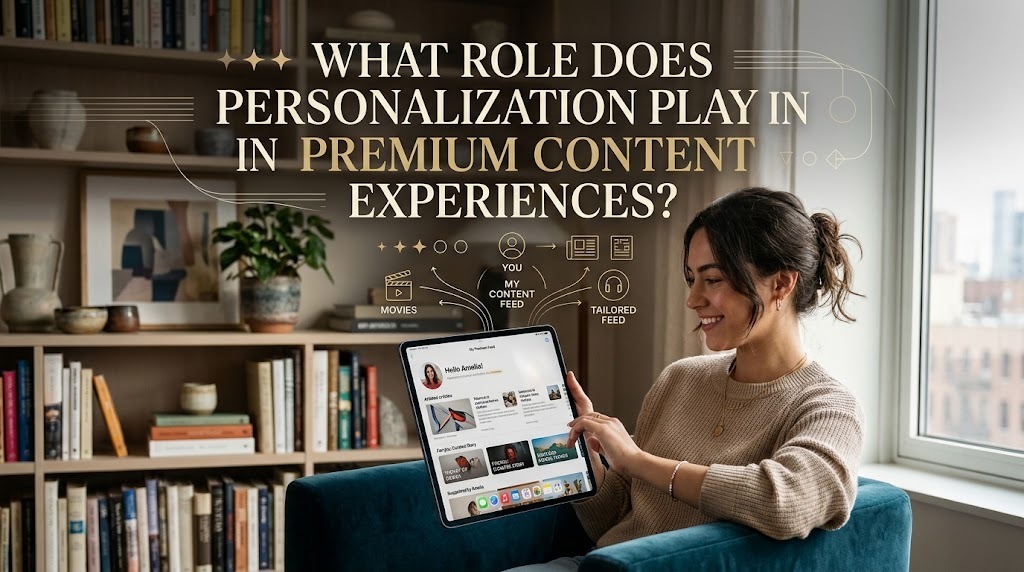
Digital audiences have different interests, preferences, and expectations when accessing online content. Some users prefer educational materials, while others look for entertainment, professional insights, or practical business information. As digital platforms become more competitive, offering the same experience to every subscriber may not be enough to maintain their interest.
Personalization helps premium content platforms provide experiences that match individual audience needs. By using user preferences, browsing activity, and previous interactions, creators can deliver more relevant recommendations and specialized materials. This approach can improve customer satisfaction, strengthen engagement, and increase the perceived value of paid subscriptions.
MAKING CONTENT MORE RELEVANT TO INDIVIDUAL INTERESTS
One of the main benefits of personalization is its ability to connect audiences with content that matches their interests. Instead of browsing through large collections of unrelated materials, subscribers can discover articles, videos, courses, and other resources that suit their preferences.
For example, a business platform may recommend marketing guides to users who frequently explore entrepreneurship topics. Meanwhile, an educational service can suggest language lessons to subscribers who show an interest in learning new languages. Relevant recommendations make premium platforms easier to use and help audiences find information more efficiently.
IMPROVING THE SUBSCRIBER EXPERIENCE
Personalization can make premium content platforms feel more convenient and comfortable. Features such as customized dashboards, saved preferences, and personalized content feeds allow users to organize their experiences according to their needs.
A subscriber who regularly reads technology articles, for instance, may prefer a homepage that highlights the latest developments in that field. This reduces the effort required to search for interesting materials. When platforms provide a smoother experience, subscribers may feel that their membership offers practical benefits beyond basic content access.
INCREASING AUDIENCE ENGAGEMENT
Relevant content can encourage subscribers to spend more time interacting with a platform. When users frequently discover materials that interest them, they may become more willing to read articles, watch videos, complete courses, or participate in online discussions.
Personalized newsletters and notifications can also introduce subscribers to new materials based on their interests. However, platforms should avoid sending excessive messages because frequent interruptions may reduce user satisfaction. Effective personalization focuses on delivering useful recommendations at appropriate times.
SUPPORTING PERSONALIZED LEARNING PATHS
Premium educational platforms can use personalization to create learning experiences that reflect individual goals and abilities. Different users may have different levels of knowledge, learning speeds, and preferred study methods. Personalized learning paths help organize materials according to these differences.
For example, beginners may receive introductory lessons before moving to advanced topics, while experienced learners can explore specialized materials. Some platforms also use learning progress and assessment results to recommend additional exercises. This approach can make educational subscriptions more valuable because users receive guidance that supports their development.
USING DATA TO UNDERSTAND AUDIENCE PREFERENCES
Personalization often relies on information about how users interact with digital platforms. This may include selected topics, reading history, viewing activity, saved content, and subscription preferences. By analyzing these patterns, businesses can better understand what audiences find useful.
Creators can use these insights to improve their content strategies and identify topics that deserve further development. For example, if subscribers frequently access certain educational guides, creators may consider producing related tutorials or advanced resources. Data analysis should support better decisions while respecting privacy and applicable data protection requirements.
STRENGTHENING CUSTOMER LOYALTY
Subscribers are more likely to maintain their memberships when they consistently receive experiences that match their expectations. Personalization can help create a stronger relationship between platforms and their audiences by making users feel that their interests are understood.
For example, a premium entertainment service may recommend new programs based on a subscriber's viewing preferences. A professional publication may provide customized newsletters featuring topics relevant to a reader's industry. These experiences can encourage repeated visits and continued subscriptions when they deliver genuine value.
SUPPORTING CONTENT DISCOVERY
Large premium platforms may contain thousands of articles, videos, courses, or downloadable resources. Without effective discovery features, subscribers may struggle to find materials that are relevant to them. Personalization helps organize these collections through recommendations, topic categories, and customized search results.
This can also help audiences discover content they might not have found independently. For creators, better content discovery allows more materials to reach interested subscribers. As a result, personalization can improve the use and visibility of existing content libraries.
INCREASING THE PERCEIVED VALUE OF PREMIUM SUBSCRIPTIONS
Premium subscriptions are often evaluated according to the benefits they provide. Personalized recommendations, customized resources, and individual learning experiences can make paid memberships feel more useful than general access to a content library.
For instance, two subscribers using the same educational platform may receive different course recommendations based on their goals. This creates a more tailored experience without requiring the platform to produce an entirely separate service for every user. When personalization helps subscribers achieve their objectives, they may see greater value in paying for continued access.
MAINTAINING PRIVACY AND TRANSPARENCY
Although personalization offers many advantages, it must be balanced with responsible data management. Collecting excessive personal information or using data without clear explanations can reduce audience trust. Subscribers should understand what information is collected and how it is used to improve their experiences.
Platforms should provide appropriate privacy controls, secure personal information, and follow applicable data protection regulations. They should also avoid making recommendations that unfairly limit the information users can discover. Transparent practices help ensure that personalization benefits audiences without compromising their privacy.
CONCLUSION
Personalization plays an important role in creating valuable premium content experiences. It helps platforms recommend relevant materials, improve navigation, support individual learning goals, and strengthen audience engagement. These benefits can increase subscriber satisfaction and make paid memberships more attractive.
However, effective personalization requires more than collecting user data. Platforms must understand audience needs, provide meaningful recommendations, and maintain responsible privacy practices. By combining relevant content with transparent data management, premium content businesses can build stronger relationships and encourage long-term subscriber loyalty.
Recent Posts

Bagaimana Sistem SKS pada Program Kuliah... 22.11.2026/47 View

How Does Technology Make Daily Evaluation... 21.11.2026/74 View

Apa Strategi Menghadapi Kesenjangan antara Kompetensi... 21.11.2026/75 View

Mengapa Inventaris Aset Penting bagi Kelancaran... 21.11.2026/72 View

When Should Musicians Join a Record... 21.11.2026/75 View
