

What Role Does The Government Play In Evaluating School Zoning?
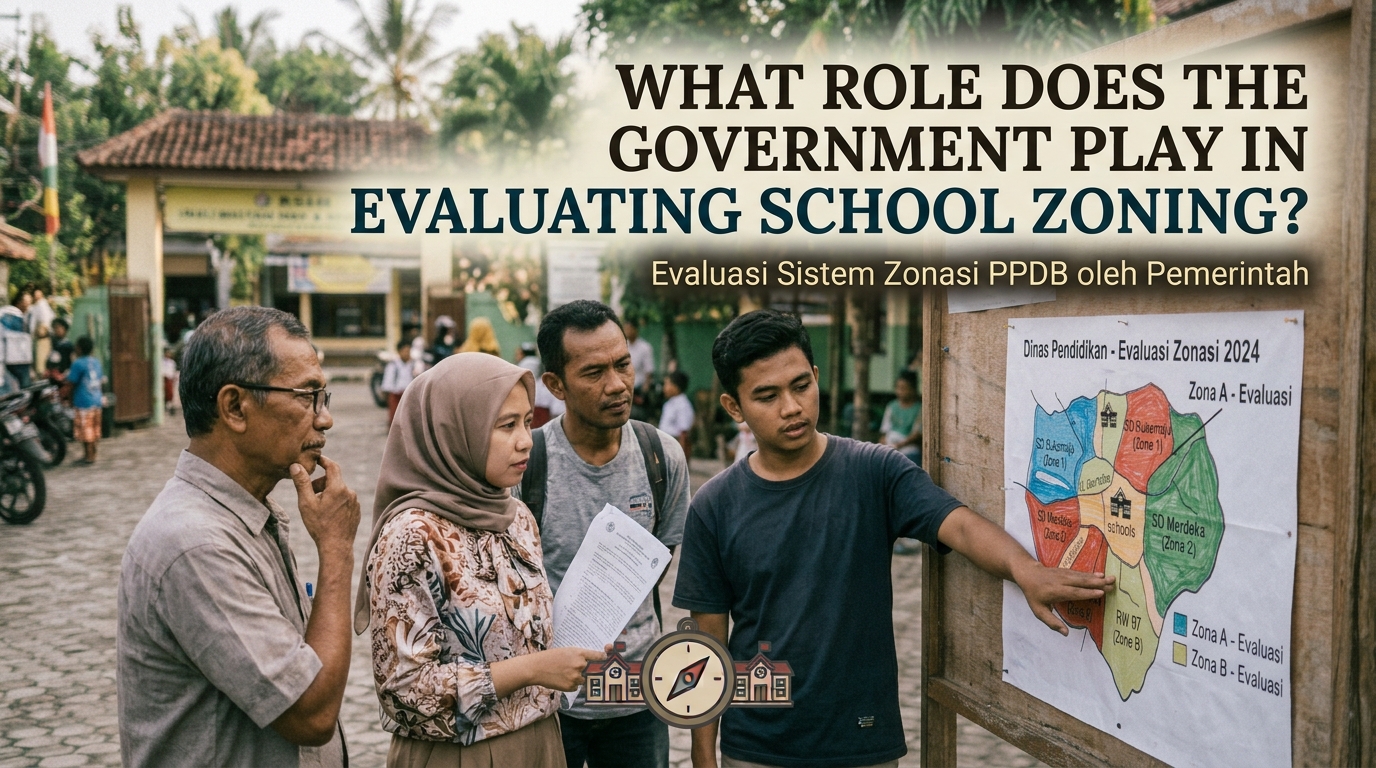
School zoning is an education policy that considers students' residential locations when determining access to schools, depending on the applicable admission rules. To make this policy effective, the government needs to evaluate whether it provides fair opportunities, supports local communities, and helps schools manage student enrollment. Evaluation is important because population patterns, school capacity, and educational needs can change over time. By reviewing the results, authorities can identify problems and improve future admission procedures. Government evaluation plays a key role in making school zoning fairer, more transparent, and more effective.
MONITORING THE IMPLEMENTATION OF SCHOOL ZONING
One of the government's main responsibilities is to monitor how school zoning policies are implemented. Education authorities need to check whether schools follow official admission requirements and apply the selection procedures consistently. They can review registration records, school reports, and information about student placement. Monitoring can also help identify problems such as unclear instructions, inaccurate documentation, or differences in how rules are applied. These findings provide a starting point for improving the admission process.
Government monitoring should involve cooperation between national authorities, regional education offices, and schools. Each level of government has responsibilities based on the applicable regulations and its authority. Schools should provide accurate information about enrollment and follow official reporting procedures. When problems are identified, authorities can provide guidance or take appropriate action under the rules. Consistent monitoring helps ensure that school zoning is implemented according to its intended objectives.
ASSESSING FAIRNESS IN SCHOOL ADMISSION
The government must evaluate whether school zoning provides fair access to education for students from different neighborhoods and family backgrounds. This includes examining who gains access to nearby schools and whether certain communities face difficulties during registration. Authorities can analyze admission data to understand how places are distributed among eligible applicants. They should also consider whether students can access suitable schools when nearby institutions have limited capacity. This information can reveal gaps between the policy's goals and its actual outcomes.
Fairness cannot be measured by residential distance alone. Differences in school facilities, teacher availability, learning support, and transportation access can influence students' educational opportunities. The government should therefore consider these factors when evaluating the policy. If certain areas have fewer educational resources, additional support may be needed to improve access. A fair admission system should consider both selection procedures and the quality of education available to students.
ANALYZING DATA AND MEASURING RESULTS
Reliable data helps the government determine whether school zoning is achieving its objectives. Authorities can examine the number of applicants, available school places, student distribution, and admission outcomes. They may also compare information across different years to identify changes in demand and enrollment patterns. Data about school capacity and local population growth can help explain why some schools receive more applications than others. Evidence-based evaluation makes it easier to identify problems instead of relying only on assumptions or individual opinions.
However, data must be accurate, relevant, and interpreted carefully. Admission figures alone cannot fully explain whether students receive a good education or feel supported at school. The government may need feedback from parents, students, teachers, and school administrators to understand their experiences. Personal information should also be handled responsibly and protected according to applicable privacy rules. Combining reliable statistics with community feedback can provide a more complete picture of how zoning works.
GATHERING FEEDBACK FROM SCHOOLS AND COMMUNITIES
The government can evaluate school zoning by listening to the people directly affected by the policy. Parents may explain difficulties with residence documents, registration websites, or school choices. Teachers and school administrators can describe challenges related to classroom capacity, student distribution, and staffing. Students may provide useful perspectives on travel time, school accessibility, and their learning environment. Community feedback helps authorities understand issues that may not appear clearly in administrative data.
Feedback can be collected through surveys, public consultations, meetings, or official complaint channels. Authorities should make these channels accessible and explain how concerns will be reviewed. They should also distinguish individual misunderstandings from problems that affect many applicants. When a concern is supported by evidence, the government can use it to improve guidance or revise implementation procedures where permitted. Open communication can strengthen public trust and help make future admission policies more responsive to community needs.
IMPROVING SCHOOL QUALITY AND DISTRIBUTION
Evaluating school zoning should also involve reviewing the quality and capacity of schools across different areas. If some schools have modern facilities and enough teachers while others lack essential resources, families may continue to prefer certain institutions. The government can use evaluation findings to identify schools that need additional classrooms, learning materials, qualified teachers, or student support services. It can also assess whether school locations and capacities match the needs of the surrounding population. Balanced educational resources are important for making zoning more effective.
Improving school quality takes planning, funding, and cooperation between government agencies and local communities. Authorities should establish priorities based on evidence about student needs and existing facilities. Progress should then be monitored to determine whether investments are improving learning conditions. The aim is not simply to distribute students more evenly but to ensure that every school can provide meaningful educational opportunities. Reducing differences in school quality can help families feel more confident about local education options.
UPDATING POLICIES AND ADMISSION RULES
Government evaluation provides information that can guide future policy decisions. If the existing rules create confusion or fail to address local needs, authorities can review the procedures and consider appropriate improvements. Changes should be based on reliable evidence, public feedback, and the legal framework governing school admission. Clear explanations are essential so parents and schools understand any new requirements. Regular policy review helps the system respond to changing population patterns and educational conditions.
In Indonesia, school admission is governed by the applicable Sistem Penerimaan Murid Baru (SPMB) framework and its implementing regulations. National and regional authorities have different responsibilities, so the precise evaluation process depends on the rules and level of government involved. Authorities should publish accurate information about admission pathways, eligibility, schedules, and selection procedures. Any changes should be communicated before they take effect whenever the regulations require it. This helps schools and families prepare and reduces the risk of relying on outdated information.
ENSURING TRANSPARENCY AND ACCOUNTABILITY
Transparency is essential when the government evaluates school zoning. Authorities should explain the policy's objectives, the criteria used to assess its results, and the steps taken to address identified problems. Publishing clear reports can help the public understand whether admission procedures are being implemented as intended. Schools should also communicate their requirements and decisions through official channels. Transparent information makes it easier for parents to understand the system and ask questions when something is unclear.
Accountability means that institutions must take responsibility for their roles and respond appropriately when problems occur. The government should provide clear procedures for handling complaints, checking suspected irregularities, and correcting administrative errors. Any investigation or corrective action must follow the applicable rules and respect the rights of students and families. Evaluation findings should lead to practical improvements rather than being treated as paperwork alone. Transparency and accountability help build confidence in school admission policies.
CONCLUSION
The government plays an important role in evaluating school zoning by monitoring implementation, assessing fairness, analyzing data, collecting feedback, and improving educational resources. Evaluation helps authorities understand whether the policy is meeting its goals and where changes may be needed. Transparent procedures and reliable evidence are essential for making informed decisions. In Indonesia, improvements must follow the applicable SPMB regulations and clearly defined responsibilities at each level of government. Ultimately, effective government evaluation should help create fair admission procedures and better educational opportunities for all students.
Recent Posts

Bagaimana Sistem SKS pada Program Kuliah... 22.11.2026/57 View

How Does Technology Make Daily Evaluation... 21.11.2026/86 View

Apa Strategi Menghadapi Kesenjangan antara Kompetensi... 21.11.2026/84 View

Mengapa Inventaris Aset Penting bagi Kelancaran... 21.11.2026/82 View

When Should Musicians Join a Record... 21.11.2026/86 View
