

What Separates Construction Waste from Demolition Waste?
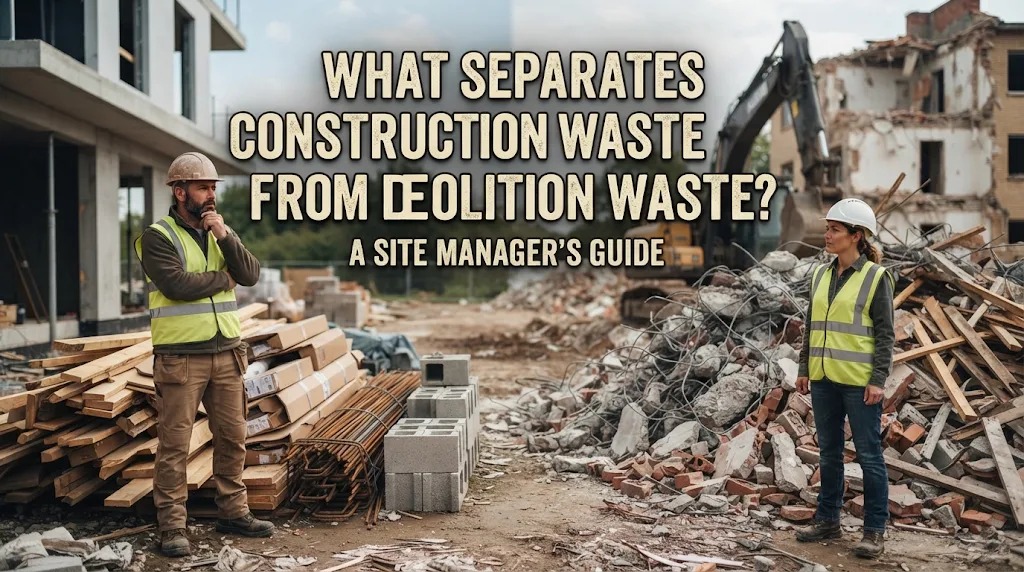
Construction waste and demolition waste are two types of materials generated by activities in the building industry. Although both can contain similar materials, they differ in their sources, characteristics, quantities, and management methods. Construction waste generally comes from building, renovation, and installation activities, while demolition waste is produced when existing structures are dismantled or destroyed. Understanding these differences helps construction companies choose appropriate waste management strategies, improve recycling practices, and reduce environmental impacts.
DIFFERENCES IN WASTE SOURCES
The main difference between construction waste and demolition waste is where the materials originate. Construction waste is generated during activities such as building foundations, installing walls, cutting materials, and finishing interior spaces. Common examples include leftover concrete, unused bricks, wood scraps, packaging, and damaged construction materials.
Demolition waste comes from dismantling, removing, or destroying existing buildings and infrastructure. It may include concrete fragments, steel components, roofing materials, broken glass, bricks, and discarded electrical installations. These materials are usually recovered from structures that are being removed or replaced.
DIFFERENCES IN MATERIAL CHARACTERISTICS
Construction waste often consists of unused materials, excess supplies, and damaged products generated during building activities. Some materials may still be in their original condition and can be reused directly.
Demolition waste generally contains materials that have already been installed or used in existing structures. These materials may have cracks, corrosion, contamination, or other forms of deterioration. Therefore, demolition waste often requires more careful inspection, cleaning, and processing before it can be reused or recycled.
DIFFERENCES IN WASTE QUANTITIES
The amount of construction waste usually depends on project size, material efficiency, construction methods, and workforce performance. Waste generation can be reduced through accurate measurements, careful purchasing, and proper material handling.
Demolition waste quantities depend on the size, age, design, and materials used in the existing structure. Large demolition projects can generate substantial amounts of debris within a relatively short period. This requires careful planning for collection, transportation, sorting, and disposal.
DIFFERENCES IN WASTE MANAGEMENT METHODS
Construction waste management focuses heavily on preventing unnecessary material losses during building activities. Companies can reduce waste by improving project planning, controlling material purchases, storing supplies properly, and reusing leftover materials.
Demolition waste management requires a different approach because materials must first be recovered from existing structures. Selective demolition allows workers to remove reusable components before dismantling the remaining structure. Materials are then separated into categories for reuse, recycling, specialized treatment, or appropriate disposal.
DIFFERENCES IN RECYCLING OPPORTUNITIES
Both construction waste and demolition waste offer opportunities for recycling, but their processing requirements may differ. Construction waste such as unused metal, timber, concrete, and plastic can often be collected and reused or recycled with limited processing.
Demolition waste may require additional treatment to remove mortar, nails, coatings, and other unwanted substances. Recovered concrete can be crushed into recycled aggregates, while suitable steel can be melted and processed into new metal products. Bricks, timber, and other recovered components may also be reused when their condition and safety requirements allow it.
DIFFERENCES IN ENVIRONMENTAL IMPACTS
Construction waste can increase environmental pressure through excessive resource consumption, landfill disposal, and pollution caused by poorly managed materials. Unused concrete, plastic packaging, and damaged products can create unnecessary waste when not properly handled.
Demolition waste can cause similar problems, but it may also present additional risks when older buildings contain hazardous materials. Substances such as asbestos, lead-based paint, and certain chemical treatments require specialized identification and handling. Proper management helps prevent hazardous materials from spreading into the surrounding environment.
IMPORTANCE OF UNDERSTANDING BOTH WASTE TYPES
Recognizing the differences between construction waste and demolition waste helps companies develop more effective waste management systems. Construction projects can prioritize waste prevention, accurate material calculations, and efficient resource use. Demolition projects can focus on selective dismantling, material recovery, and safe separation of potentially hazardous substances.
Both approaches support recycling, reduce disposal costs, and encourage sustainable construction practices. Cooperation between contractors, recycling facilities, and material suppliers can further improve the recovery of valuable resources.
CONCLUSION
Construction waste comes mainly from building and renovation activities, while demolition waste originates from dismantling or destroying existing structures. They differ in their sources, material conditions, quantities, processing requirements, and potential environmental risks. Although both waste types can contain reusable and recyclable materials, each requires suitable management methods. By understanding these differences, construction companies can improve material recovery, reduce environmental pollution, and support more sustainable building projects.
Recent Posts

How Does Technology Make Daily Evaluation... 21.11.2026/58 View

Apa Strategi Menghadapi Kesenjangan antara Kompetensi... 21.11.2026/60 View

Mengapa Inventaris Aset Penting bagi Kelancaran... 21.11.2026/56 View

When Should Musicians Join a Record... 21.11.2026/55 View

Daily Evaluation or Daily Planning Which... 21.11.2026/63 View
