

What Skills Do Employers Seek in Production Staff?
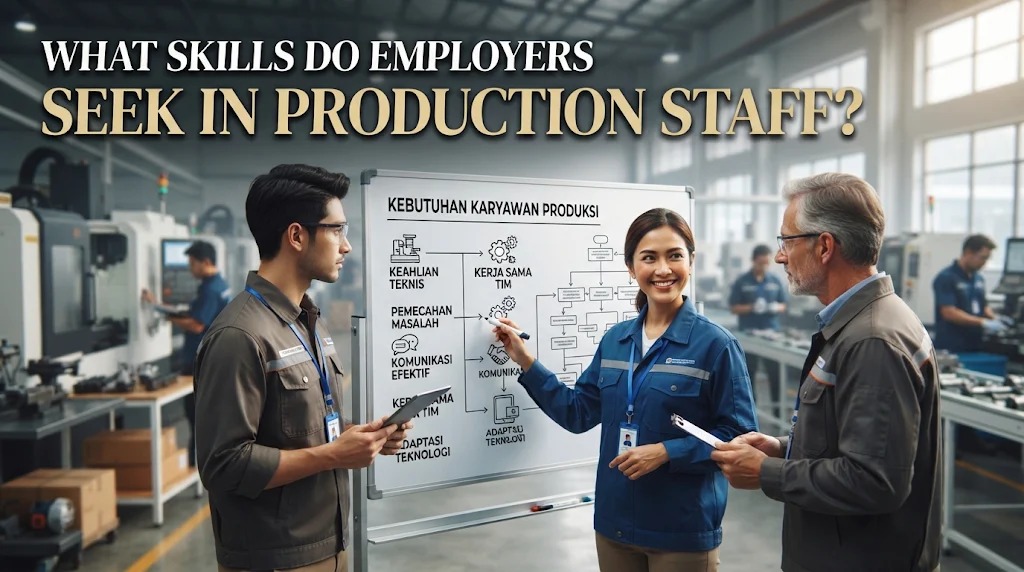
Production staff play an important role in maintaining smooth manufacturing operations and ensuring that products meet company standards. Employers look for individuals who have the right combination of technical abilities, personal qualities, and practical knowledge. These skills help employees complete tasks efficiently, maintain product quality, and work safely in different production environments. Understanding the skills employers seek can help job applicants prepare themselves for opportunities in the manufacturing industry.
TECHNICAL AND MACHINE OPERATION SKILLS
Technical skills are among the most important qualifications employers seek in production staff. Employees should understand how to operate production machines, use manufacturing tools, and follow technical instructions. These abilities help ensure that manufacturing activities are completed correctly and efficiently.
Employers also appreciate candidates who can understand basic machine functions and recognize signs of equipment problems. Although some technical knowledge can be developed through workplace training, having previous experience can provide an advantage. Employees who are willing to learn new technologies can also adapt more easily to changes in production methods.
ATTENTION TO DETAIL AND ACCURACY
Attention to detail is essential because production work requires employees to follow specific measurements, instructions, and quality standards. Small mistakes can affect the final product and create additional costs for the company. Therefore, employers prefer workers who can complete tasks carefully and consistently.
Accuracy also helps prevent defective products and unnecessary material waste. Production staff should check their work regularly and report problems when they discover errors. This ability demonstrates that employees take their responsibilities seriously and understand the importance of maintaining product quality.
DISCIPLINE AND TIME MANAGEMENT
Employers value production staff who demonstrate discipline and manage their time effectively. Manufacturing activities often follow strict schedules and daily production targets. Employees must arrive on time, follow work procedures, and complete assigned tasks within the expected deadlines.
Good time management also helps workers organize their responsibilities and maintain a consistent workflow. Individuals who can prioritize tasks and avoid unnecessary delays contribute to better production performance. These qualities make employees more dependable and productive.
TEAMWORK AND COMMUNICATION SKILLS
Production activities usually involve several employees working together to achieve common goals. Therefore, teamwork is an important skill employers consider when recruiting production staff. Employees must cooperate with coworkers, follow supervisors' instructions, and support one another when completing tasks.
Communication skills are equally important because they help prevent misunderstandings during production activities. Workers should be able to explain problems, provide updates, and share relevant information clearly. Good communication creates better coordination and helps maintain a positive working environment.
KNOWLEDGE OF WORKPLACE SAFETY
Employers expect production staff to understand basic workplace safety procedures. Manufacturing environments may involve machines, heavy materials, sharp tools, and other potential hazards. Employees need to recognize these risks and follow established safety regulations.
Workers should know how to use personal protective equipment and operate machines according to instructions. They must also keep their work areas clean and report unsafe conditions to supervisors. Safety awareness helps reduce workplace accidents and protects everyone involved in production activities.
PROBLEM-SOLVING AND CRITICAL THINKING
Production staff may encounter unexpected problems, such as machine malfunctions, material shortages, or defective products. Employers appreciate workers who can recognize these issues and respond appropriately. Problem-solving skills help employees identify possible causes and determine the next steps according to company procedures.
Critical thinking also allows workers to evaluate situations before taking action. Instead of ignoring problems or making careless decisions, they should communicate with supervisors and follow appropriate solutions. These abilities help prevent small issues from developing into larger production disruptions.
ADAPTABILITY AND WILLINGNESS TO LEARN
Manufacturing industries continue to develop through technological improvements, new equipment, and changing production requirements. Employers therefore seek employees who can adapt to different working conditions and learn new procedures. Adaptability helps production staff remain effective when their responsibilities or work processes change.
A willingness to learn also shows that candidates are interested in improving their abilities. Employees who accept feedback, participate in training, and develop new skills can become more valuable to the company. This attitude supports both individual career development and organizational progress.
PHYSICAL STAMINA AND WORKING CONSISTENCY
Some production positions require employees to stand for long periods, move materials, or perform repetitive activities. For this reason, employers may consider physical stamina an important requirement, depending on the type of manufacturing work. Employees need to maintain consistent performance throughout their working hours.
Working consistency also involves maintaining concentration and following procedures even when tasks become repetitive. Production staff should understand their physical limits and use proper techniques when handling materials. These habits help maintain productivity while reducing the risk of workplace injuries.
CONCLUSION
Employers seek production staff who have technical skills, accuracy, discipline, teamwork, safety awareness, and problem-solving abilities. Adaptability, willingness to learn, and physical stamina can also be important depending on the job requirements. By developing these skills through education, training, and practical experience, job applicants can improve their opportunities and become more competitive candidates in the manufacturing industry.
Recent Posts

Mengapa Surat Lamaran Kerja yang Personal... 20.11.2026/14 View

Apa Saja Kesalahan Mahasiswa dalam Membangun... 20.11.2026/15 View

Bagaimana Cara Menunjukkan Kemampuan Diri agar... 20.11.2026/16 View

Apa Saja Kesalahan yang Harus Dihindari... 20.11.2026/17 View

Apa yang Dimaksud dengan Evaluasi Harian... 20.11.2026/16 View
