

What Skills Do Students Need to Become Effective Student Senate Members?
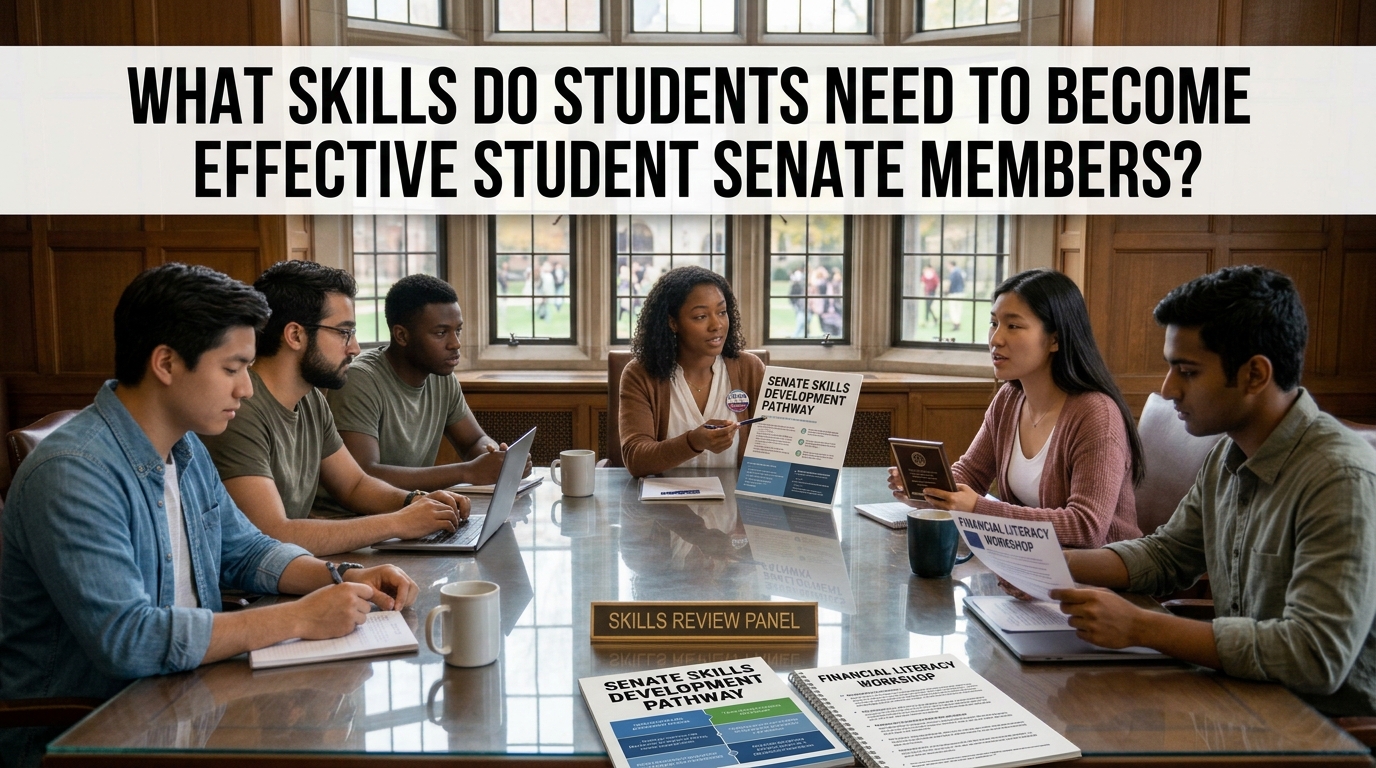
Student senate plays an important role in representing student interests and supporting the development of a better campus environment. As student representatives, senate members are responsible for listening to concerns, communicating student aspirations, evaluating campus policies, and maintaining constructive relationships with university management. These responsibilities require more than enthusiasm and a willingness to participate in organizational activities. Students need a combination of leadership, communication, critical thinking, teamwork, and problem-solving skills to perform their duties effectively.
Becoming an effective student senate member also requires a strong sense of responsibility and commitment to the student community. With the right skills, students can represent their peers fairly, make thoughtful decisions, and contribute to meaningful improvements in campus life.
COMMUNICATION SKILLS
Communication skills are essential for student senate members because their main responsibility is to represent the interests and aspirations of other students. They must be able to listen carefully, understand different opinions, and communicate student concerns clearly to university administrators. Good communication also helps prevent misunderstandings during meetings, discussions, and organizational activities.
In addition, student representatives need to develop public speaking and presentation skills to express ideas confidently. They should be able to deliver arguments politely, prepare clear reports, and explain proposed policies in an understandable way. Effective communication allows student senate members to build trust and maintain positive relationships with students, lecturers, and campus management.
LEADERSHIP AND RESPONSIBILITY
Leadership skills help student senate members guide discussions, coordinate activities, and encourage other students to participate in campus development. A good leader does not simply give instructions but also provides direction, listens to team members, and considers different perspectives before making decisions. Leadership is particularly important when handling organizational challenges or representing students in formal meetings.
Besides leadership, responsibility and accountability are important qualities that every senate member should demonstrate. They must complete assigned tasks, attend meetings consistently, and carry out their duties according to organizational regulations. Responsible members also need to be transparent about their decisions and willing to evaluate their performance. These qualities help create a student senate that is trusted by the wider student community.
CRITICAL THINKING AND DECISION-MAKING
Student senate members frequently encounter different opinions, campus problems, and proposals that require careful consideration. Therefore, critical thinking skills are necessary to examine information, identify the main issues, and evaluate possible solutions. Instead of making decisions based on personal preferences, they should consider facts, student needs, and the potential impact of each decision.
Decision-making skills also help senate members determine the most appropriate actions when facing organizational challenges. They need to compare different alternatives, consider possible risks, and prioritize solutions that provide the greatest benefits for students. By developing these abilities, student representatives can produce more objective decisions and contribute to better campus policies.
TEAMWORK AND COLLABORATION
Student senate activities involve various individuals with different backgrounds, experiences, and perspectives. For this reason, teamwork and collaboration are important skills that help members achieve shared organizational goals. They must respect the opinions of others, divide responsibilities fairly, and maintain good relationships within the organization.
Strong collaboration also allows student senate members to work effectively with student organizations, faculty representatives, and university administrators. Through open discussions and mutual understanding, they can develop programs that respond to student needs. Members should also be willing to support one another when difficulties arise. A cooperative working environment makes organizational activities more productive and encourages collective responsibility.
PROBLEM-SOLVING SKILLS
Student senate members often deal with issues related to academic services, campus facilities, student welfare, and organizational activities. Problem-solving skills help them identify the causes of these issues and develop practical solutions. They should be able to collect relevant information, listen to affected students, and determine which problems need immediate attention.
An effective problem-solving process also requires patience, creativity, and the ability to evaluate possible outcomes. Student representatives should not make promises without considering available resources and institutional policies. Instead, they need to communicate realistic recommendations and follow up on the progress of proposed solutions. This approach helps ensure that student concerns are addressed systematically and responsibly.
NEGOTIATION AND CONFLICT RESOLUTION
Student senate members may need to communicate with university management when student interests differ from institutional policies. In these situations, negotiation skills help them present arguments, explain student needs, and find solutions that consider the interests of both parties. They should remain professional, respectful, and focused on achieving constructive outcomes.
Furthermore, conflict resolution skills are necessary when disagreements occur between students, organizational members, or campus stakeholders. Effective representatives must understand the perspectives of everyone involved before proposing a solution. They should avoid personal attacks, encourage respectful discussions, and seek common ground whenever possible. These abilities help maintain a healthy organizational environment and prevent disagreements from becoming larger problems.
TIME MANAGEMENT AND ORGANIZATIONAL SKILLS
Student senate members must balance academic responsibilities with meetings, organizational programs, and other campus activities. Therefore, time management skills are important to ensure that every responsibility receives sufficient attention. They need to create realistic schedules, establish priorities, and complete assignments according to agreed deadlines.
In addition, organizational skills help members manage documents, prepare meeting agendas, record important decisions, and monitor program implementation. Good organization makes it easier for the senate to evaluate its activities and maintain continuity between leadership periods. By managing time and responsibilities effectively, students can remain productive without neglecting their academic performance.
INTEGRITY AND EMPATHY
Integrity is a fundamental quality that student senate members need when representing the interests of their peers. They must act honestly, avoid abusing organizational authority, and make decisions based on shared interests rather than personal benefits. Maintaining confidentiality when handling sensitive student concerns is also part of responsible representation.
Meanwhile, empathy allows representatives to understand the experiences and difficulties faced by different groups of students. They should be willing to listen without immediately judging others and consider how campus decisions may affect the wider student community. Combining integrity with empathy helps create fair representation and strengthens public trust in student senate activities.
CONCLUSION
Becoming an effective student senate member requires a combination of interpersonal, organizational, and analytical abilities. Communication, leadership, critical thinking, teamwork, problem-solving, negotiation, time management, integrity, and empathy are among the most important skills that students should develop. Each skill supports a different aspect of student representation and organizational performance.
Students do not need to master all these abilities before joining the student senate. Instead, they can develop them through organizational experience, training, discussions, and active involvement in campus activities. With continuous learning and a strong commitment to student interests, student senate members can become responsible representatives who contribute to a more inclusive, supportive, and productive campus environment.
Recent Posts

Bagaimana Sistem SKS pada Program Kuliah... 22.11.2026/35 View

How Does Technology Make Daily Evaluation... 21.11.2026/69 View

Apa Strategi Menghadapi Kesenjangan antara Kompetensi... 21.11.2026/69 View

Mengapa Inventaris Aset Penting bagi Kelancaran... 21.11.2026/67 View

When Should Musicians Join a Record... 21.11.2026/68 View
