

What Skills Do You Need to Become a Successful Creator Community Member?
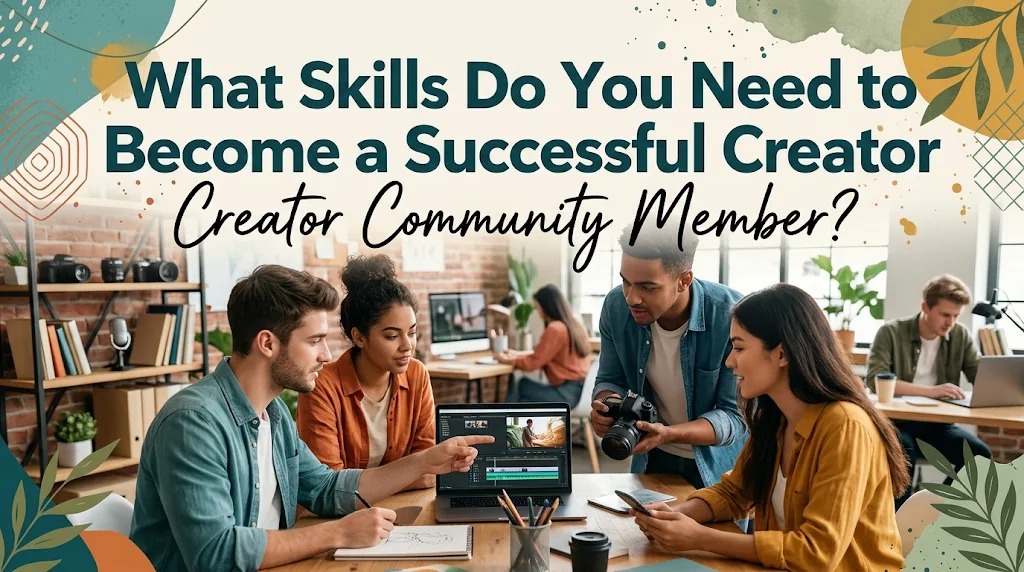
The growth of the digital content industry has created many opportunities for individuals to develop their creativity and share their work with wider audiences. People can now participate in different creative activities, such as writing, photography, graphic design, video production, and social media management. One way to develop these abilities is by becoming an active member of a creator community.
Joining a creator community provides opportunities to exchange ideas, learn from experienced individuals, and participate in collaborative projects. However, becoming a successful community member requires more than simply joining a group. Individuals need to develop relevant skills that help them communicate effectively, contribute to activities, and build positive relationships with other creators.
Understanding the essential skills needed in a creator community can help beginners and experienced creators participate more productively. These abilities can also support personal development and open opportunities in the growing digital creative industry.
COMMUNICATION SKILLS FOR BUILDING STRONG RELATIONSHIPS
Communication skills are among the most important abilities for becoming a successful creator community member. Members need to express their ideas clearly, share information, ask questions, and discuss creative projects with others. Effective communication helps prevent misunderstandings and makes collaboration more organized.
In a creator community, individuals may have different experiences, opinions, and working styles. Therefore, members should learn how to listen carefully, respect different perspectives, and provide constructive feedback. These habits help create a comfortable environment where everyone feels encouraged to participate.
Good communication also involves choosing appropriate language and maintaining professional behavior when interacting online or offline. Members should avoid unnecessary conflicts and focus on discussions that support shared goals. By developing these abilities, creators can establish stronger relationships and become more valuable contributors to their communities.
CREATIVITY AND CRITICAL THINKING SKILLS
Creativity is an essential skill because creator communities focus on developing original ideas and producing valuable content. Members should be able to explore different perspectives, identify interesting topics, and find innovative ways to communicate information. Creative thinking also helps individuals develop content that stands out in a competitive digital environment.
However, creativity should be supported by critical thinking. Before publishing content or participating in a project, creators need to evaluate information, consider audience needs, and determine whether their ideas are relevant. This ability is particularly important when creating educational content or discussing topics that require accuracy.
Members can improve these skills by participating in brainstorming sessions, creative challenges, and collaborative activities. Observing different content styles and learning from other creators can also inspire new approaches. Combining creativity with critical thinking allows individuals to produce content that is not only attractive but also meaningful and informative.
DIGITAL AND TECHNICAL SKILLS FOR CONTENT CREATION
A successful creator community member should understand basic digital and technical skills relevant to their creative interests. These abilities may include writing, photography, graphic design, video editing, audio production, and social media management. The specific skills required depend on the type of content a person wants to develop.
For example, individuals interested in video creation should understand basic recording techniques, editing processes, and visual storytelling. Those who prefer graphic design can learn how to use design applications to produce attractive digital materials. Meanwhile, writers should develop research, editing, and storytelling abilities to create clear and informative content.
Members do not need to master every digital tool immediately. Beginners can start with basic applications and gradually improve their technical knowledge through practice and guidance from experienced creators. Understanding artificial intelligence tools and digital platforms can also help members work more efficiently while maintaining originality and responsible content production.
TEAMWORK AND COLLABORATION SKILLS
Teamwork and collaboration are important because creator communities often organize activities that involve several individuals. Members may work together to produce videos, manage social media campaigns, organize workshops, or develop educational projects. These activities require individuals to understand their responsibilities and contribute according to their abilities.
Successful teamwork involves respecting other people's contributions, sharing responsibilities fairly, and completing assigned tasks on time. Members should also remain open to suggestions and be willing to adjust their ideas when necessary. These habits help projects run smoothly and reduce potential disagreements.
Collaboration also provides opportunities to learn from people with different expertise. A writer can work with a graphic designer, while a photographer can collaborate with a digital marketer. By combining different abilities, community members can produce more complete projects and develop valuable professional experience.
TIME MANAGEMENT AND ADAPTABILITY SKILLS
Participating in a creator community often involves balancing personal responsibilities with community activities. Members may need to attend discussions, complete collaborative projects, create individual content, and manage academic or professional commitments. Therefore, time management is necessary to maintain consistent participation without neglecting other responsibilities.
Good time management includes setting priorities, creating realistic schedules, and completing tasks according to agreed deadlines. Members should understand their available time before accepting responsibilities in community projects. Communicating early when difficulties arise can also help prevent delays and maintain trust among collaborators.
In addition, creators need adaptability skills to respond to changes in digital technology, audience preferences, and content trends. New platforms and creative tools may introduce different ways of producing and distributing content. Members who are willing to learn and adjust their approaches can remain relevant and contribute more effectively to their communities.
CONCLUSION
Becoming a successful creator community member requires a combination of communication, creativity, critical thinking, digital abilities, teamwork, time management, and adaptability. These skills help individuals participate actively, contribute to collaborative projects, and establish positive relationships with other creators.
However, developing these abilities takes time and consistent practice. Beginners do not need to master everything at once because they can improve through discussions, workshops, feedback, and shared experiences. By maintaining a willingness to learn and supporting other members, individuals can become valuable contributors while creating opportunities for personal and professional growth in the digital creative industry.
Recent Posts

Bagaimana Sistem SKS pada Program Kuliah... 22.11.2026/35 View

How Does Technology Make Daily Evaluation... 21.11.2026/69 View

Apa Strategi Menghadapi Kesenjangan antara Kompetensi... 21.11.2026/70 View

Mengapa Inventaris Aset Penting bagi Kelancaran... 21.11.2026/67 View

When Should Musicians Join a Record... 21.11.2026/69 View
