

What Strategies Can Companies Use to Manage Risks in Logistics Operations?
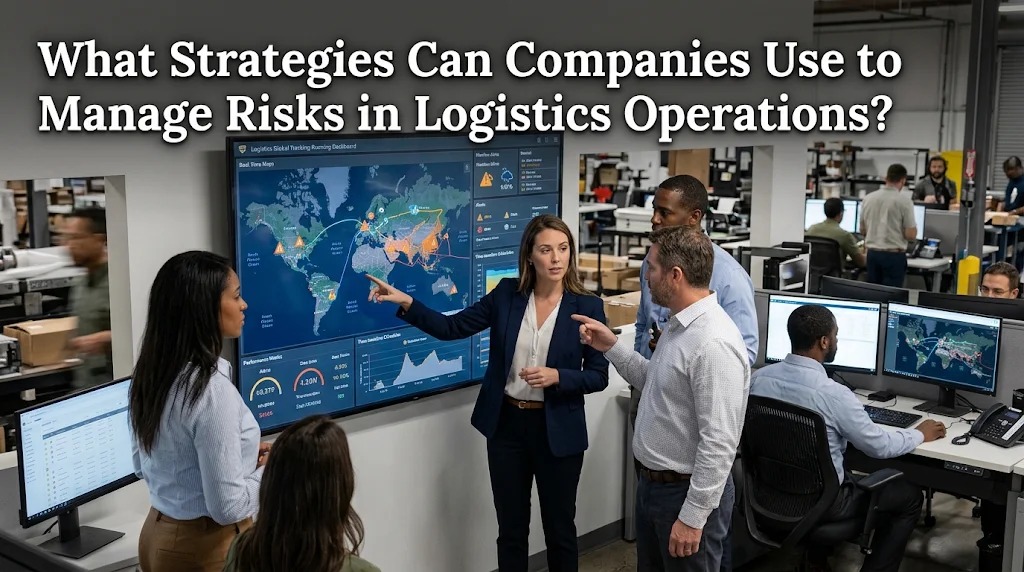
Logistics operations play an important role in ensuring that products move efficiently from suppliers to customers. However, businesses often face various risks that can disrupt transportation, inventory management, warehousing, and product distribution. These risks may include delivery delays, rising transportation costs, supplier problems, damaged goods, and unexpected supply chain disruptions. If companies fail to manage these challenges properly, their operations may become less efficient and experience financial losses. Therefore, businesses need effective risk management strategies to maintain stable logistics activities, protect their resources, and ensure reliable product deliveries.
UNDERSTANDING LOGISTICS RISKS IN BUSINESS OPERATIONS
Logistics risks refer to potential problems or unexpected situations that can interrupt the movement, storage, and distribution of products throughout business operations. These risks may occur during transportation, warehouse activities, inventory management, or coordination with suppliers and distribution partners.
Several factors can create logistics risks. Transportation problems may result from traffic congestion, vehicle breakdowns, extreme weather, or rising fuel prices. Meanwhile, warehouse risks can include product damage, inaccurate inventory records, and limited storage capacity. Companies may also experience supplier disruptions when raw materials arrive late or fail to meet quality requirements. Understanding these risks is the first step toward developing effective strategies to protect logistics operations and maintain business continuity.
IDENTIFYING RISKS AND DEVELOPING PREVENTIVE PLANS
One important strategy for managing logistics risks is identifying potential problems before they affect business activities. Companies should regularly evaluate transportation systems, warehouse conditions, inventory records, supplier performance, and distribution procedures. This process helps organizations recognize weaknesses that could interrupt their logistics operations.
After identifying potential risks, businesses should develop preventive action plans to reduce their impact. For example, companies can schedule regular vehicle maintenance to prevent transportation breakdowns and conduct warehouse inspections to reduce product damage. They can also establish alternative delivery routes and prepare emergency procedures for unexpected disruptions. Regular risk evaluations allow businesses to update their plans according to operational changes and new challenges.
STRENGTHENING SUPPLIER RELATIONSHIPS AND SUPPLY CHAIN FLEXIBILITY
Supplier problems can significantly affect logistics operations, especially when businesses depend on a limited number of suppliers. Late deliveries, production interruptions, and inconsistent product quality may prevent companies from maintaining sufficient inventory. These problems can also delay customer orders and increase operational expenses.
To reduce these risks, companies should establish reliable relationships with multiple suppliers whenever practical. Having alternative suppliers can help businesses maintain product availability when their main suppliers experience difficulties. Companies should also evaluate supplier performance based on delivery reliability, product quality, pricing, and communication. Building flexible supply chain arrangements allows organizations to respond more effectively to unexpected disruptions and maintain stable business operations.
USING TECHNOLOGY TO MONITOR AND CONTROL LOGISTICS RISKS
Modern technology helps businesses identify and manage logistics risks more effectively. Companies can use real-time tracking systems to monitor shipments, identify unexpected route changes, and detect possible delivery delays. This information allows logistics managers to respond quickly and make adjustments before problems become more serious.
In addition, inventory management software and Transportation Management Systems (TMS) can improve operational visibility. These systems help businesses monitor stock levels, organize delivery schedules, and evaluate transportation performance. Some organizations also use data analytics and artificial intelligence to identify patterns, estimate potential disruptions, and improve logistics planning. However, companies must ensure that their digital systems are properly maintained and protected against unauthorized access. Appropriate technology can strengthen risk monitoring and support more accurate business decisions.
PREPARING CONTINGENCY PLANS AND IMPROVING OPERATIONAL RESILIENCE
Even with effective preventive measures, businesses cannot eliminate every logistics risk. Unexpected events such as natural disasters, economic changes, transportation restrictions, and sudden increases in customer demand may still disrupt operations. Therefore, companies need contingency plans to ensure that essential activities can continue when problems occur.
A contingency plan may include alternative transportation providers, emergency inventory supplies, backup warehouses, and additional distribution arrangements. Companies should also train employees to understand their responsibilities during unexpected situations. Regular simulations and operational evaluations can help determine whether emergency procedures are practical and effective. By preparing suitable alternatives, businesses can recover more quickly from disruptions, minimize financial losses, and maintain reliable services for customers.
CONCLUSION
Managing risks in logistics operations is essential for maintaining business stability and ensuring reliable product distribution. Companies can reduce potential disruptions by identifying risks early, developing preventive plans, strengthening supplier relationships, adopting suitable technology, and preparing contingency arrangements. Regular evaluations and employee training also help organizations respond more effectively to unexpected situations. By implementing these strategies, businesses can improve logistics resilience, control operational costs, protect their resources, and maintain customer satisfaction in an increasingly competitive market.
Recent Posts

How Does Technology Make Daily Evaluation... 21.11.2026/62 View

Apa Strategi Menghadapi Kesenjangan antara Kompetensi... 21.11.2026/63 View

Mengapa Inventaris Aset Penting bagi Kelancaran... 21.11.2026/59 View

When Should Musicians Join a Record... 21.11.2026/58 View

Daily Evaluation or Daily Planning Which... 21.11.2026/66 View
