

What Strategies Can Make an Activity Proposal More Appealing to Sponsors?
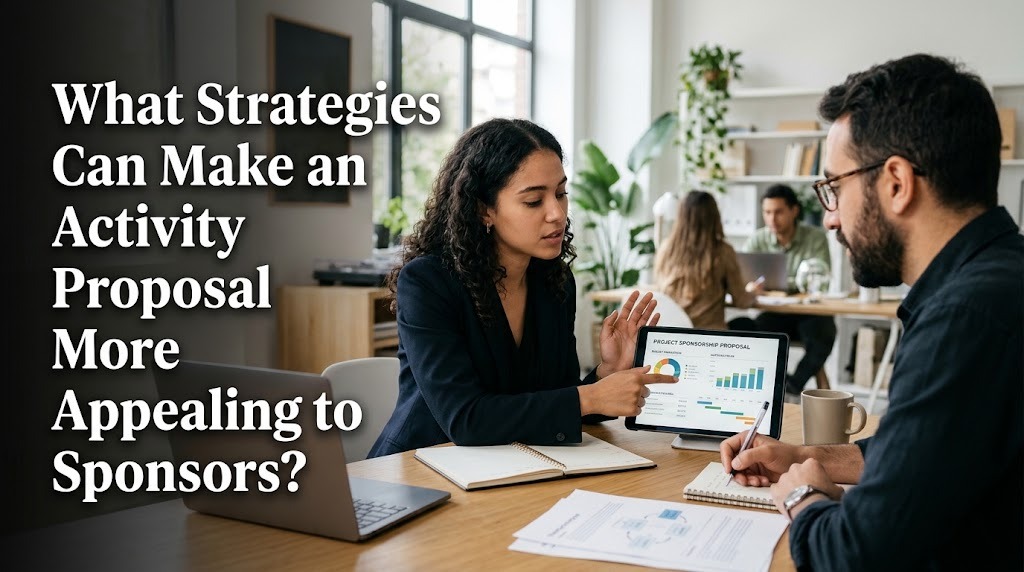
An activity proposal is an important document for organizations, students, and communities seeking financial support or partnerships for an event. Sponsors usually receive many proposals, so a well-prepared document must clearly explain why an activity deserves their attention. A proposal should not only describe the event but also demonstrate its benefits, target audience, promotional opportunities, and potential impact. By using the right strategies, organizers can make their proposals more professional, persuasive, and attractive to potential sponsors.
UNDERSTAND THE SPONSOR'S GOALS
One of the most effective ways to attract sponsors is to understand what they want to achieve through a partnership. Companies may seek greater brand awareness, stronger customer relationships, positive public recognition, or opportunities to introduce their products. Therefore, organizers should research potential sponsors before submitting a proposal. A proposal becomes more persuasive when its benefits align with the sponsor's business goals.
For example, a sports equipment company may be interested in sponsoring a sporting event because its products are relevant to the participants. Similarly, a technology company may support a seminar about digital innovation. Understanding these connections helps organizers approach suitable sponsors instead of sending identical proposals to unrelated businesses. This targeted approach can increase the possibility of receiving a positive response.
PRESENT CLEAR AND MEASURABLE OBJECTIVES
A professional activity proposal should explain the purpose of the event through clear and realistic objectives. Sponsors need to understand what the organizers want to accomplish and how success will be measured. Objectives may include increasing participant knowledge, encouraging community involvement, promoting local products, or reaching a specific audience. Measurable objectives help sponsors evaluate the potential value of their investment.
For instance, a proposal for a campus seminar might aim to attract 200 participants, involve five industry speakers, and provide educational materials to attendees. These targets make the activity easier to evaluate and demonstrate that the organizers have a clear direction. However, all targets should be realistic and supported by a reasonable plan. Organizers should avoid making exaggerated promises that cannot be fulfilled.
HIGHLIGHT THE BENEFITS FOR SPONSORS
Sponsors are more likely to consider a proposal when they can identify clear benefits for their organization. These benefits may include logo placement on promotional materials, mentions on social media, exhibition booths, product demonstrations, or opportunities to connect with participants. Organizers should explain these opportunities in a dedicated section rather than expecting sponsors to identify them independently. The proposal should show how sponsorship creates value for both the event organizer and the sponsor.
Different sponsors may have different priorities, so benefits should be adjusted to suit each potential partner. A company seeking brand exposure may value banners, digital promotions, and event announcements. Meanwhile, a business interested in direct engagement may prefer a product display or interactive session. Providing relevant benefits demonstrates that the organizers have considered the sponsor's needs and are prepared to build a mutually beneficial relationship.
CREATE A REALISTIC BUDGET AND SPONSORSHIP PACKAGE
A detailed budget helps sponsors understand how financial support will be used. It should include expected expenses such as venue rental, equipment, transportation, promotional materials, refreshments, and other activity-related costs. Organizers should estimate expenses carefully and explain the amount of funding required. A transparent budget builds trust because sponsors can see that the organizers have planned the use of funds responsibly.
It is also useful to create several sponsorship packages based on different contribution levels. For example, organizers might offer platinum, gold, and silver packages with clearly defined benefits for each level. A higher contribution could include greater logo visibility or additional promotional opportunities, while a smaller contribution could provide basic recognition. The packages should remain flexible enough to accommodate different sponsor capacities. All costs and benefits must be reasonable, clearly explained, and consistent with what the organizers can deliver.
USE PROFESSIONAL DESIGN AND PERSUASIVE LANGUAGE
The appearance of a proposal can influence the first impression it creates. A professional document should have a clear structure, readable fonts, consistent formatting, relevant visuals when appropriate, and sufficient white space. Important information, such as the event name, objectives, audience, budget, and sponsorship benefits, should be easy to find. An attractive design supports the proposal's message, but accurate information and a strong plan remain the most important elements.
The language should be direct, polite, and convincing without exaggerating the event's potential. Organizers should avoid unnecessary jargon, repetitive explanations, and unsupported claims. Reviewing grammar, spelling, figures, and contact details before submission can also prevent avoidable mistakes. A proposal that is both visually organized and professionally written shows that the team takes the event seriously and is prepared to work with sponsors.
DEMONSTRATE CREDIBILITY AND FOLLOW UP PROFESSIONALLY
Sponsors need confidence that the organizers can carry out the proposed activity successfully. To establish credibility, include relevant information about the organizing team, previous events, community partnerships, and available resources. If the organization has completed similar activities, brief examples of past achievements can help demonstrate its experience. Evidence of preparation and reliability can make a proposal more convincing than promises alone.
Organizers should also explain how they will evaluate the event and report the results to sponsors. Useful measures may include attendance figures, social media reach, participant feedback, and documentation of promotional activities. After submitting the proposal, a polite follow-up message can confirm that the document was received and offer to answer questions. Follow-ups should be respectful and appropriately timed rather than overly frequent. Maintaining professional communication helps build trust, even when a sponsor cannot support the current event.
CONCLUSION
Making an activity proposal more appealing to sponsors requires careful planning, clear objectives, relevant sponsorship benefits, a realistic budget, and professional presentation. Organizers should understand each sponsor's goals and explain how the partnership can create mutual value. Demonstrating credibility and providing measurable outcomes can further strengthen the proposal. The most effective proposal is not simply one that requests funding, but one that presents a clear, realistic, and beneficial partnership opportunity.
Recent Posts

Bagaimana Sistem SKS pada Program Kuliah... 22.11.2026/56 View

How Does Technology Make Daily Evaluation... 21.11.2026/86 View

Apa Strategi Menghadapi Kesenjangan antara Kompetensi... 21.11.2026/84 View

Mengapa Inventaris Aset Penting bagi Kelancaran... 21.11.2026/82 View

When Should Musicians Join a Record... 21.11.2026/86 View
