

What Strategies Can Village Tourism Groups Use to Attract More Visitors?
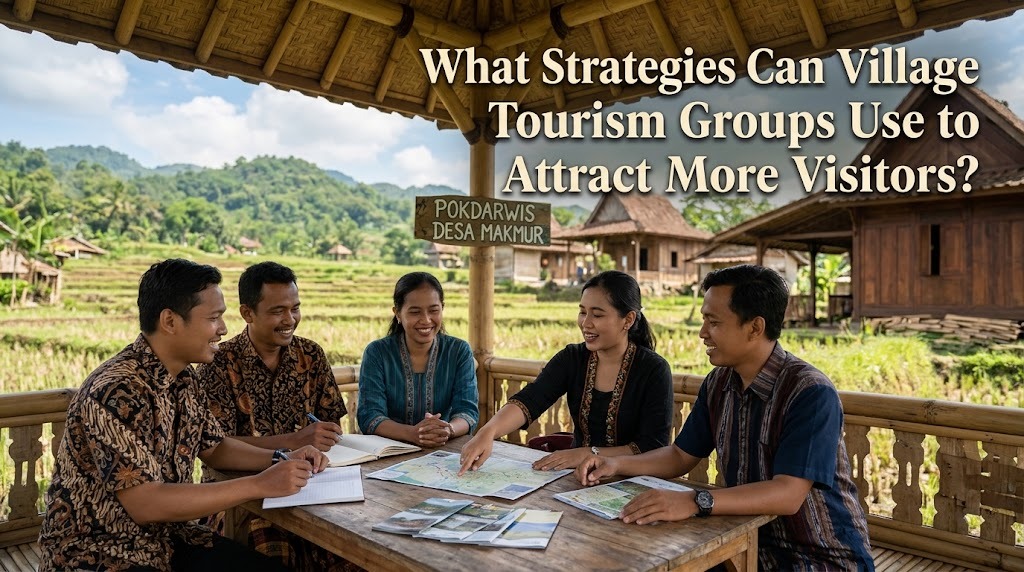
Village tourism has become an important opportunity for communities to develop their local economy and introduce their unique attractions to a wider audience. Many villages have beautiful natural landscapes, traditional cultures, historical sites, and local culinary products that can attract tourists. However, having interesting attractions does not automatically guarantee a high number of visitors. Village Tourism Awareness Groups, commonly known as Pokdarwis in Indonesia, need effective strategies to introduce their destinations, improve visitor experiences, and encourage tourists to return. With proper planning and cooperation, these groups can make village tourism more attractive, competitive, and sustainable.
DEVELOPING UNIQUE AND INTERESTING TOURIST ATTRACTIONS
One of the most effective ways to attract visitors is by developing tourist attractions that highlight the village's unique characteristics. Every village has different resources, such as mountains, rivers, beaches, traditional villages, historical buildings, and cultural activities. Village Tourism Groups should identify these resources and develop them into attractive tourism experiences. For example, a village with beautiful agricultural landscapes can offer educational farming tours, while a village with strong cultural traditions can organize traditional performances and cultural festivals. Unique attractions help a destination stand out from other tourism locations.
In addition, tourism groups should avoid creating attractions that simply imitate other destinations without considering local characteristics. Instead, they should develop activities based on the community's traditions, creativity, and available resources. Local culinary experiences, traditional craft workshops, photography spots, and outdoor activities can provide additional reasons for tourists to visit. Attractions should also be designed to accommodate different visitor interests, including families, students, and nature enthusiasts. By offering authentic and diverse experiences, village tourism destinations can attract more visitors and build a recognizable identity.
USING SOCIAL MEDIA AND DIGITAL PROMOTION EFFECTIVELY
Digital promotion is an important strategy for introducing village tourism destinations to potential visitors. Social media platforms such as Instagram, TikTok, Facebook, and YouTube allow tourism groups to share information with a wider audience at relatively low costs. They can publish attractive photographs, short videos, destination reviews, and information about upcoming tourism events. Visual content is particularly useful because it allows people to see the attractions before deciding to visit. Consistent promotion can gradually increase public awareness and encourage more people to explore the destination.
Tourism groups should also provide accurate and updated information through their digital platforms. Important details include location, entrance fees, operating hours, transportation access, available facilities, and contact information. Collaborating with travel content creators and local influencers can help introduce destinations to new audiences. Encouraging visitors to share their experiences and tag the destination can also increase online visibility. With creative content and consistent communication, social media can become an effective promotional tool for village tourism development.
IMPROVING TOURISM FACILITIES AND VISITOR COMFORT
Good tourism facilities play an important role in creating positive visitor experiences. Tourists are more likely to visit destinations that are accessible, clean, safe, and comfortable. Village Tourism Groups can cooperate with local governments and residents to improve roads, parking areas, public toilets, seating areas, waste disposal facilities, and direction signs. These improvements help visitors enjoy their trips without facing unnecessary difficulties. Even simple facilities can make a significant difference in the overall quality of a tourism destination.
Besides physical infrastructure, tourism groups should pay attention to service quality and visitor safety. Members should be prepared to welcome tourists, provide clear information, and assist visitors when needed. Cleanliness should also be maintained through regular community activities and proper waste management. Safety guidelines are particularly important for destinations that offer outdoor activities, water recreation, or challenging natural environments. Comfortable facilities and friendly services can encourage positive reviews, recommendations, and repeat visits.
ORGANIZING EVENTS AND PROMOTIONAL ACTIVITIES
Organizing tourism events is another effective way to attract visitors and introduce local attractions. Village Tourism Groups can arrange cultural festivals, traditional performances, food fairs, craft exhibitions, sports activities, and community celebrations. These events provide entertainment while introducing visitors to the village's traditions and local products. Special activities can also attract tourists who may not have previously considered visiting the destination. Well-organized events can create memorable experiences and increase the popularity of village tourism.
To achieve better results, tourism groups should prepare event schedules and promote them before the activities take place. Cooperation with local businesses, schools, cultural organizations, and government institutions can help provide additional resources and participants. Events should also reflect the identity of the village rather than focusing only on entertainment. For example, a traditional food festival can introduce regional culinary heritage while providing opportunities for local food sellers. Through regular and creative events, villages can build stronger tourism appeal and encourage visitors to return for different experiences.
BUILDING PARTNERSHIPS WITH LOCAL BUSINESSES AND TOURISM ORGANIZATIONS
Strong partnerships can help Village Tourism Groups attract more visitors by expanding their promotional networks and improving tourism services. Cooperation with local businesses allows tourism groups to offer more complete visitor experiences, including accommodation, food, transportation, souvenirs, and tour packages. These services make it easier for tourists to plan their visits and enjoy different activities in one destination. Local businesses can also benefit from increased customer numbers and greater product exposure. This relationship creates mutual advantages for tourism groups and the surrounding community.
Tourism groups can also collaborate with travel agencies, tourism communities, educational institutions, and regional tourism organizations. These partnerships can support promotional campaigns, training programs, and organized group visits. For example, cooperation with schools and universities may create opportunities for educational tourism activities. Meanwhile, travel agencies can introduce village destinations through tour packages. By building reliable partnerships, tourism groups can reach more potential visitors and strengthen their position in the tourism industry.
CREATING SUSTAINABLE AND MEMORABLE TOURISM EXPERIENCES
Attracting visitors should not be the only goal of village tourism development. Tourism groups must also ensure that every activity protects the environment, respects local culture, and benefits the community. Sustainable tourism practices include maintaining natural attractions, managing waste responsibly, protecting cultural heritage, and controlling activities that may damage local resources. Visitors should also receive information about appropriate behavior when exploring the destination. These efforts help preserve the village's attractions while maintaining a positive relationship between tourists and residents.
Furthermore, memorable visitor experiences can encourage tourists to recommend destinations to friends and family. Tourism groups can create these experiences through friendly services, interesting activities, authentic local products, and meaningful interactions with residents. Collecting visitor feedback is also important for understanding what tourists appreciate and what needs improvement. Groups should regularly evaluate their services and adjust their strategies based on visitor needs. By combining attractive experiences with responsible management, village tourism destinations can build a positive reputation and attract visitors over the long term.
CONCLUSION
Village Tourism Groups can attract more visitors through several strategies, including developing unique attractions, using social media, improving tourism facilities, organizing creative events, and building partnerships with local businesses. Providing comfortable services and memorable experiences is equally important for encouraging repeat visits and positive recommendations. However, increasing visitor numbers should always be balanced with environmental protection and cultural preservation. With effective planning, consistent promotion, and active community participation, village tourism destinations can become more competitive and provide sustainable economic benefits for local residents.
Recent Posts

Bagaimana Sistem SKS pada Program Kuliah... 22.11.2026/37 View

How Does Technology Make Daily Evaluation... 21.11.2026/70 View

Apa Strategi Menghadapi Kesenjangan antara Kompetensi... 21.11.2026/73 View

Mengapa Inventaris Aset Penting bagi Kelancaran... 21.11.2026/68 View

When Should Musicians Join a Record... 21.11.2026/71 View
