

What Strategies Help Reduce Waste in Production Processes?
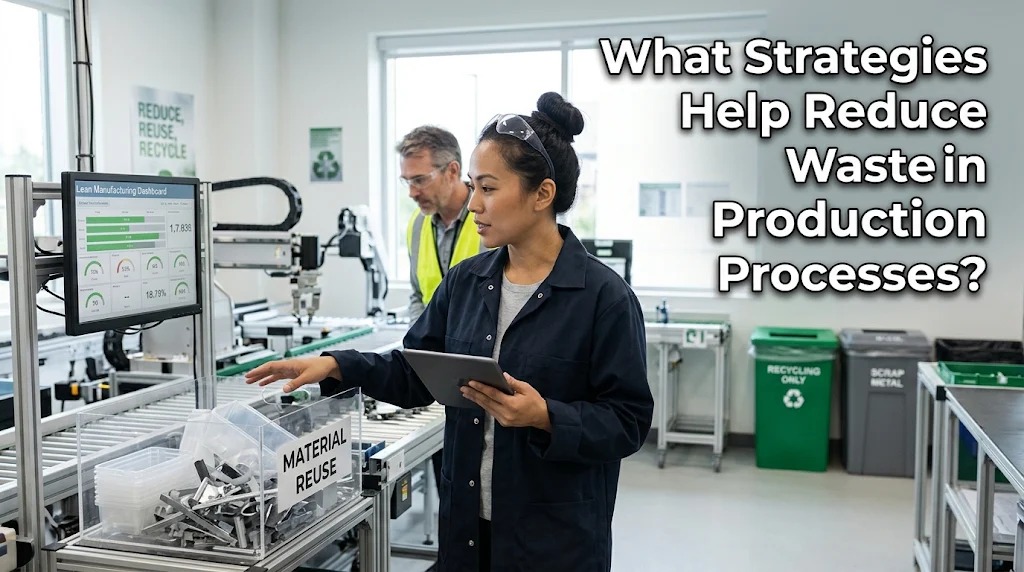
Reducing waste is an important goal for manufacturing companies because it helps improve productivity, control operational costs, and protect natural resources. Waste can occur in many forms, including unused materials, defective products, excessive energy consumption, and unnecessary working time. Production staff play an important role in identifying these problems and applying effective methods to prevent them. By improving work procedures and managing resources carefully, companies can create more efficient and sustainable production processes.
APPLYING LEAN MANUFACTURING PRINCIPLES
Lean manufacturing is an approach that focuses on reducing activities that do not provide value to customers. It encourages companies to examine every stage of production and identify unnecessary processes, delays, and excessive resource consumption. By removing these inefficiencies, manufacturing teams can complete tasks more effectively without sacrificing product quality. This approach also helps companies improve their overall operational performance.
Production staff can support lean manufacturing by monitoring workflows and identifying activities that waste time or materials. For example, unnecessary movement between workstations can be reduced by arranging equipment and supplies more efficiently. Employees can also suggest improvements to procedures that involve repeated or unnecessary tasks. Consistent application of lean principles helps create a more organized production environment.
IMPROVING MATERIAL MANAGEMENT
Proper material management helps prevent waste caused by excessive purchasing, incorrect storage, and unnecessary consumption. Companies should calculate material requirements based on production plans and actual customer demand. Raw materials must also be stored according to their characteristics to prevent damage, contamination, or expiration. Accurate inventory records make it easier to monitor stock levels and control material usage.
Production staff should check material availability before manufacturing begins and ensure that supplies are used according to established procedures. They should also report damaged materials and unusual consumption patterns to supervisors. Applying the first-in, first-out method can help companies use older stock before newer supplies when appropriate. Effective material management reduces unnecessary losses and supports production continuity.
MAINTAINING MACHINES AND EQUIPMENT REGULARLY
Machines that are poorly maintained can produce defective products, consume excessive energy, or stop working unexpectedly. These problems create waste because companies may need additional materials, labor, and time to recover from equipment failures. Regular maintenance helps keep machines operating according to their intended performance. It also reduces the possibility of unexpected breakdowns during production.
Production staff should monitor equipment conditions and report unusual sounds, vibrations, overheating, or other signs of malfunction. Maintenance teams can then perform inspections and repairs before problems become more serious. Employees must also follow operating instructions to avoid damaging machines through incorrect use. Proper equipment maintenance helps reduce downtime, material losses, and unnecessary repair expenses.
REDUCING DEFECTIVE PRODUCTS
Defective products are a major source of waste because they may require repairs, additional processing, or complete disposal. Product defects can result from incorrect machine settings, unsuitable materials, human error, or inconsistent work procedures. Companies should identify the causes of defects rather than only correcting the final products. Preventing mistakes at an early stage is generally more efficient than fixing them after manufacturing is completed.
Production staff can reduce defects by following standard operating procedures and checking important production stages. They should coordinate with quality control teams to review inspection results and identify recurring problems. Employees may also receive additional training to improve their technical knowledge and accuracy. Consistent quality monitoring helps reduce rejected products and maintain customer satisfaction.
OPTIMIZING PRODUCTION WORKFLOWS
An inefficient production workflow can create unnecessary movement, waiting time, and repeated activities. These problems reduce productivity and increase the use of labor and other resources. Companies should evaluate how materials, employees, and products move through each manufacturing stage. Improving the arrangement of workstations can help reduce unnecessary transportation and make production activities more organized.
Production staff can contribute by observing daily operations and identifying tasks that interrupt the workflow. For example, placing frequently used materials closer to workstations can reduce the time employees spend searching for supplies. Clear task assignments and better coordination between departments can also prevent unnecessary waiting. Optimized workflows help companies use available resources more effectively.
IMPLEMENTING THE 5S WORKPLACE METHOD
The 5S method is a workplace organization approach that helps maintain cleanliness, order, and efficiency. Its five principles are Sort, Set in Order, Shine, Standardize, and Sustain. These practices encourage employees to remove unnecessary items, arrange equipment properly, clean working areas, establish consistent procedures, and maintain good habits. A well-organized workplace can reduce mistakes and prevent the loss of materials or tools.
Production staff can apply 5S by keeping workstations clean and returning equipment to designated locations after use. They should also separate essential materials from items that are no longer needed. Regular inspections help ensure that workplace organization standards are maintained. Applying 5S consistently can improve safety, save time, and reduce waste throughout manufacturing activities.
USING TECHNOLOGY TO MONITOR RESOURCE CONSUMPTION
Modern technology can help manufacturing companies identify waste more accurately. Digital monitoring systems can record material usage, production output, machine performance, and energy consumption. This information allows managers to compare actual resource usage with planned requirements. When unusual patterns appear, employees can investigate the causes and take corrective action.
Production staff should understand how to use digital tools for recording and monitoring production data. Applications such as inventory management systems and spreadsheets can help organize information and identify inefficiencies. Accurate data entry is essential because incorrect records may lead to poor decisions. Using technology effectively helps companies manage resources and reduce unnecessary consumption.
TRAINING EMPLOYEES TO REDUCE WASTE
Employee knowledge and behavior have a direct influence on the amount of waste generated during manufacturing. Workers who understand proper procedures are more likely to handle materials carefully, operate equipment correctly, and identify potential problems. Training programs can explain how to reduce material losses, prevent product defects, and maintain workplace cleanliness. These activities help employees understand their individual responsibilities in waste reduction.
Production staff and supervisors should encourage workers to report waste-related problems and suggest practical improvements. Regular discussions can help teams share experiences and learn better working methods. Companies can also evaluate employee performance based on accuracy, resource efficiency, and compliance with procedures. Building awareness among employees makes waste reduction a shared responsibility rather than an individual task.
CONCLUSION
Reducing waste in production processes requires effective material management, regular equipment maintenance, quality control, and efficient workflow planning. Companies can also apply lean manufacturing, the 5S method, and digital monitoring systems to identify unnecessary resource consumption. Production staff contribute by following procedures, maintaining organized work areas, and reporting problems as early as possible. Through consistent improvement and employee cooperation, manufacturing companies can reduce costs, increase productivity, and support more sustainable operations.
Recent Posts

How Does Technology Make Daily Evaluation... 21.11.2026/56 View

Apa Strategi Menghadapi Kesenjangan antara Kompetensi... 21.11.2026/58 View

Mengapa Inventaris Aset Penting bagi Kelancaran... 21.11.2026/52 View

When Should Musicians Join a Record... 21.11.2026/53 View

Daily Evaluation or Daily Planning Which... 21.11.2026/60 View
