

What Strategies Help Teachers Build Student Trust?
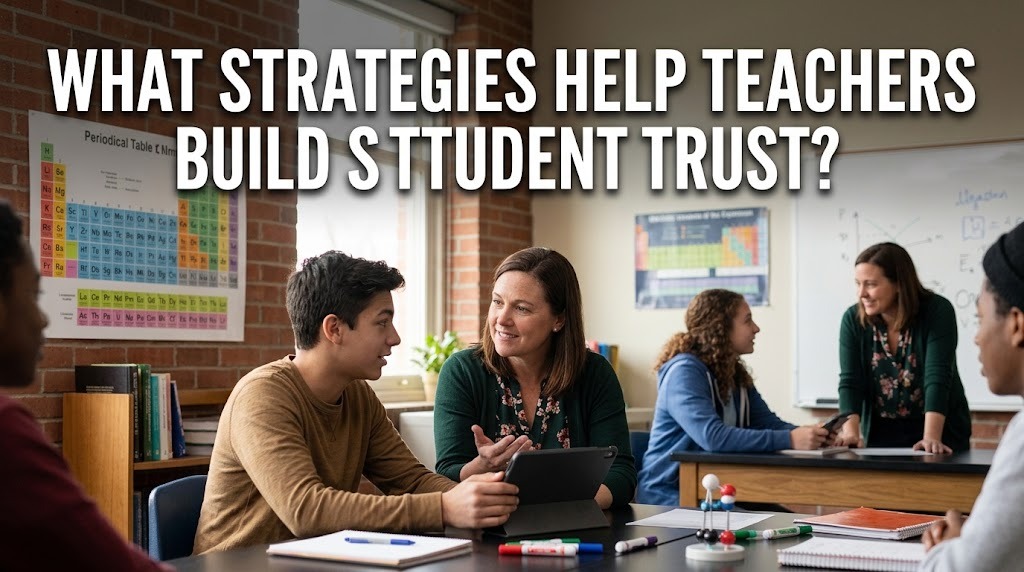
Student trust is an essential foundation for effective teaching and learning. When students trust their teachers, they feel more comfortable asking questions, sharing opinions, admitting mistakes, and seeking help when they face difficulties. Trust also helps create a positive classroom environment where students feel respected and motivated to participate. However, building trust takes time and requires consistent effort from teachers. Through clear communication, fairness, empathy, and reliable behavior, teachers can develop meaningful relationships that support students’ academic and personal growth.
CREATE A SAFE AND WELCOMING CLASSROOM
A safe classroom allows students to express themselves without worrying about humiliation or unfair treatment. Teachers can establish this environment by welcoming students warmly, listening to their questions, and responding respectfully to different opinions. Students should understand that making mistakes is a normal part of learning rather than something to be ashamed of. When teachers correct errors constructively, students become more willing to participate in classroom activities. A welcoming atmosphere helps students feel that their presence and contributions matter.
LISTEN ACTIVELY TO STUDENT CONCERNS
Active listening is one of the most effective ways to build trust between teachers and students. Instead of immediately giving advice or correcting a student, teachers can take time to understand what the student is trying to communicate. Maintaining attention, asking relevant questions, and acknowledging students’ feelings demonstrate genuine interest. This approach is particularly important when students experience academic pressure, friendship problems, or difficulties understanding lessons. When students feel heard, they are more likely to communicate openly and seek support when needed.
TREAT EVERY STUDENT FAIRLY
Fair treatment helps students believe that their teacher can be trusted to make reasonable decisions. Teachers should apply classroom rules consistently and avoid giving special treatment based on academic performance, popularity, personal relationships, or other irrelevant factors. Fairness does not always mean treating every student identically because learners may have different needs and circumstances. Instead, teachers should explain their decisions clearly and provide appropriate support according to each situation. Consistent and transparent treatment reduces misunderstandings and strengthens students’ confidence in their teacher.
KEEP PROMISES AND FOLLOW THROUGH
Trust grows when teachers demonstrate that their words and actions are consistent. If a teacher promises to provide feedback, review an assignment, or discuss a student's concern, following through helps establish reliability. When circumstances make a promise impossible to fulfill, the teacher should explain the situation honestly and communicate a realistic alternative. Students notice whether adults consistently honor their commitments. By being dependable in everyday interactions, teachers show that students can take their guidance seriously.
COMMUNICATE CLEARLY AND HONESTLY
Clear communication prevents confusion and helps students understand classroom expectations. Teachers should explain assignments, grading criteria, deadlines, and classroom rules in language that students can understand. They should also be honest when they do not know an answer and willing to find accurate information. If a misunderstanding occurs, discussing it calmly is more productive than relying on assumptions or harsh reactions. Honest communication encourages students to ask questions and express concerns without feeling that they must hide their difficulties.
SHOW EMPATHY AND UNDERSTANDING
Every student has different experiences, responsibilities, learning preferences, and emotional needs. Teachers can build stronger relationships by considering these differences before judging a student's behavior or performance. For example, a student who frequently misses deadlines may need a conversation about the challenges affecting their work rather than immediate criticism. Empathy does not mean removing all expectations or ignoring inappropriate behavior. It means balancing accountability with an effort to understand the circumstances behind a student's actions.
PROVIDE CONSTRUCTIVE FEEDBACK
Feedback influences how students perceive their abilities and their relationship with their teacher. Instead of labeling students as incapable or careless, teachers should focus on specific behaviors, mistakes, and opportunities for improvement. Explaining what a student did well and identifying practical next steps makes feedback more useful. Teachers should also recognize effort, progress, and thoughtful problem-solving rather than focusing exclusively on high grades. Constructive feedback shows students that correction is intended to help them develop, not to embarrass or discourage them.
RESPECT STUDENT PRIVACY AND DIGNITY
Students need to know that personal concerns will be handled responsibly. Teachers should avoid discussing sensitive student information in front of classmates or using personal disclosures as material for jokes or public criticism. When a student shares a private concern, the teacher should explain any relevant limits to confidentiality, especially when safety or safeguarding responsibilities require additional support. Respecting privacy helps students feel more secure when asking for assistance. It also demonstrates that trust involves protecting a student's dignity while acting responsibly.
ENCOURAGE STUDENT PARTICIPATION AND AUTONOMY
Trust becomes stronger when students feel that their opinions and contributions are taken seriously. Teachers can invite students to suggest classroom activities, discuss different viewpoints, and participate in decisions that affect their learning. Offering reasonable choices, such as selecting a project topic or choosing how to present an assignment, helps students develop independence. Teachers should establish clear boundaries while allowing room for creativity and responsible decision-making. This balance communicates that students are valued participants in the learning process rather than passive recipients of instructions.
CONCLUSION
Building student trust requires patience, consistency, and genuine respect. Teachers can strengthen trust by creating a welcoming classroom, listening carefully, treating students fairly, keeping promises, and communicating honestly. Empathy, constructive feedback, privacy protection, and meaningful student participation also contribute to stronger relationships. These strategies work best when they are practiced regularly rather than used only in special situations. When students trust their teachers, they are better positioned to participate confidently, learn from mistakes, and develop the skills needed for academic and personal success.
Recent Posts

Bagaimana Sistem SKS pada Program Kuliah... 22.11.2026/57 View

How Does Technology Make Daily Evaluation... 21.11.2026/86 View

Apa Strategi Menghadapi Kesenjangan antara Kompetensi... 21.11.2026/84 View

Mengapa Inventaris Aset Penting bagi Kelancaran... 21.11.2026/82 View

When Should Musicians Join a Record... 21.11.2026/86 View
