

What Student Senate Programs Can Improve the Quality of Campus Life?
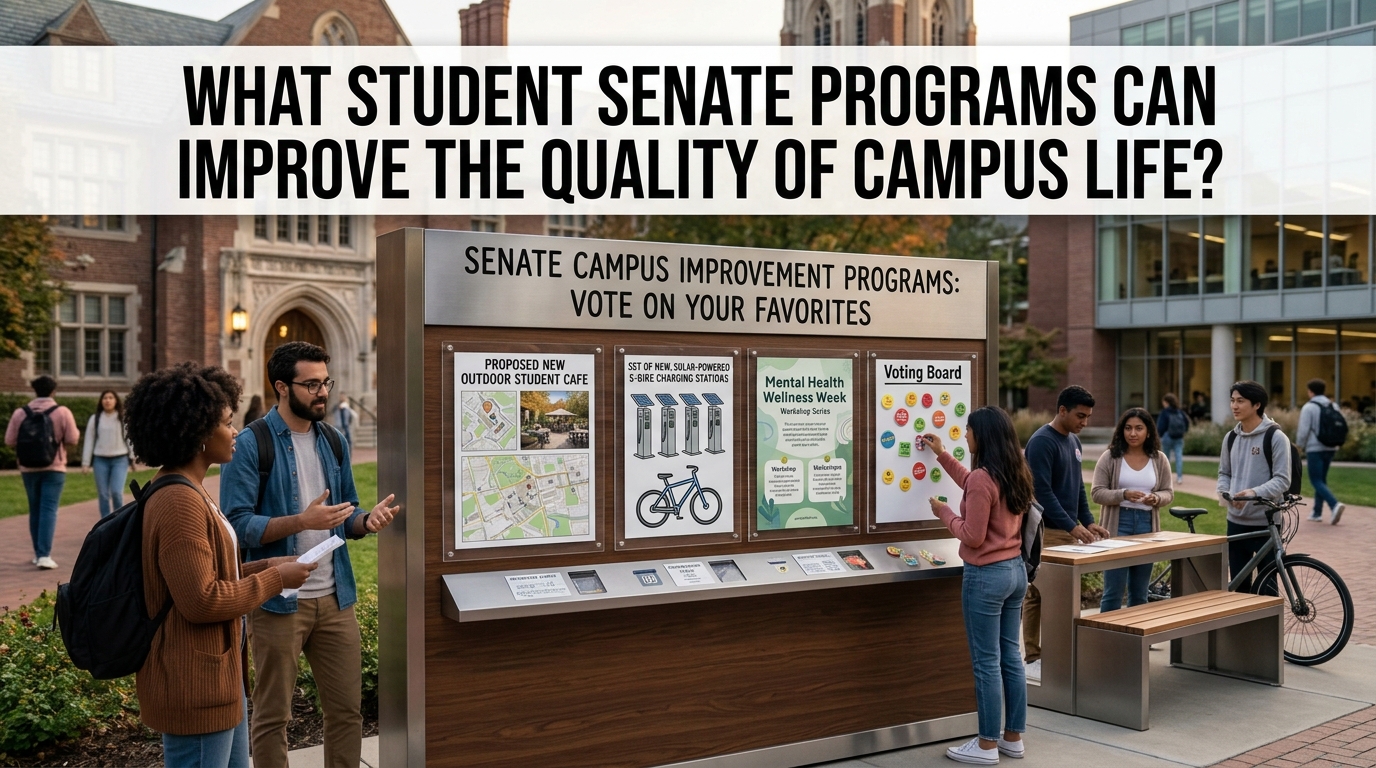
Campus life is an important part of the university experience because students develop not only academic knowledge but also social skills, leadership, and personal confidence. A Student Senate plays an important role in creating a supportive and active campus environment through various programs and activities. These programs can help students express their opinions, develop their abilities, and build stronger relationships with the university community. Well-planned student senate programs can also make campus life more inclusive, comfortable, and enjoyable. Therefore, choosing activities that respond to students' needs is essential for improving the overall quality of campus life.
STUDENT WELFARE AND ASPIRATION PROGRAMS
One of the most important programs that a Student Senate can organize is a student welfare and aspiration program. This activity provides opportunities for students to share their concerns about academic facilities, campus services, learning conditions, and other university policies. The senate can collect feedback through student forums, surveys, discussions, and direct communication with university management. These activities help ensure that student opinions are heard and considered in decision-making processes. As a result, students can feel more valued and involved in campus development.
The senate can also follow up on student concerns by communicating with relevant university departments. For example, students may report problems related to library facilities, classroom conditions, internet access, or administrative services. The senate can help deliver these concerns and encourage the university to find appropriate solutions. Transparent communication and consistent follow-up are important to maintain student trust. This program can create a campus environment that responds more effectively to students' needs.
LEADERSHIP AND PERSONAL DEVELOPMENT PROGRAMS
Leadership programs can help students develop abilities that are useful both during university and after graduation. The Student Senate can organize leadership training, public speaking workshops, teamwork activities, and organizational management sessions. Through these activities, students learn how to make decisions, manage responsibilities, and communicate effectively. They also gain experience in handling different opinions and solving problems within a team. These skills can increase students' confidence and prepare them for professional challenges.
Personal development programs can also introduce students to time management, critical thinking, negotiation, and conflict resolution. These abilities are important because university students often need to balance academic responsibilities with organizational activities. By participating in practical training, students can understand how to apply these skills in real situations. The senate can invite experienced speakers, alumni, or professionals to share useful knowledge. Continuous skill development helps students become more independent, responsible, and prepared for their future careers.
ACADEMIC SUPPORT AND LEARNING PROGRAMS
Academic support is another important area that can improve the quality of campus life. The Student Senate can collaborate with lecturers, student organizations, and academic departments to organize study groups, peer tutoring, and discussion sessions. These programs allow students to exchange knowledge and help one another understand difficult subjects. They can also create opportunities for students from different academic backgrounds to learn together. A supportive learning environment can improve academic confidence and encourage better study habits.
The senate can also organize seminars, research workshops, writing competitions, and discussions about current academic topics. These activities help students explore knowledge beyond regular classroom lessons. For example, research workshops can introduce students to scientific writing, data analysis, and proper research methods. Access to academic development opportunities can encourage students to become more active in learning and innovation. Through collaboration with academic departments, the senate can ensure that its programs support students' educational needs.
MENTAL HEALTH AND STUDENT WELL-BEING PROGRAMS
A good campus environment should support students' mental and emotional well-being. Academic pressure, financial concerns, social challenges, and personal responsibilities can affect students' daily experiences. The Student Senate can help raise awareness through mental health campaigns, educational seminars, and supportive discussion activities. These programs can encourage students to understand the importance of managing stress and maintaining a healthy balance between study and personal life. They can also help reduce negative attitudes toward seeking professional support.
The senate can collaborate with university counseling services or qualified professionals to provide appropriate information and referral support. Activities such as stress management workshops, peer support communities, and wellness events can create a more caring campus atmosphere. However, student representatives should respect privacy and avoid presenting themselves as substitutes for mental health professionals. Safe and supportive communication is essential when discussing personal challenges. These efforts can help students feel less isolated and more comfortable seeking assistance when needed.
SOCIAL, CULTURAL, AND COMMUNITY ACTIVITIES
Social and cultural programs can make campus life more enjoyable while strengthening relationships among students. The Student Senate can organize cultural festivals, art exhibitions, music performances, sports events, and community gatherings. These activities provide opportunities for students to express their talents and introduce their cultural backgrounds. They also encourage interaction between students from different faculties, regions, and communities. Such experiences can build campus unity and mutual respect.
Community service activities are also valuable for developing social awareness and responsibility. Students can participate in environmental campaigns, charity events, educational volunteering, and community assistance programs. These activities allow students to contribute to society while gaining practical experience outside the classroom. The senate can work with student clubs and local communities to organize meaningful projects. Social participation helps create a campus culture that values cooperation, diversity, and positive contributions.
CAREER DEVELOPMENT AND PROFESSIONAL PREPARATION
Preparing students for employment is another important responsibility that can be supported through Student Senate programs. The senate can organize career seminars, CV-writing workshops, interview simulations, and professional networking events. These activities help students understand workplace expectations and learn how to present their abilities effectively. Students can also gain information about internships, job opportunities, and different career paths. This support is especially useful for students approaching graduation.
The senate can invite alumni, recruiters, entrepreneurs, and industry professionals to share their experiences. Through these sessions, students can learn about professional communication, workplace ethics, and skills needed in different industries. The senate may also collaborate with university career centers to provide more relevant opportunities. Career preparation programs can help students connect academic knowledge with professional requirements. As a result, students can become more confident when entering the workforce.
DIGITAL LITERACY AND TECHNOLOGY PROGRAMS
Digital literacy has become increasingly important in modern higher education. The Student Senate can organize workshops that introduce students to digital productivity tools, online research methods, cybersecurity, and responsible social media use. These programs can help students use technology more effectively for academic and organizational activities. Students can also learn how to evaluate online information and recognize potential digital risks. Responsible technology use supports a safer and more productive campus environment.
The senate can also encourage digital innovation through technology competitions, creative projects, and discussions about artificial intelligence. These activities allow students to explore new developments and understand how technology affects education and employment. Collaboration with lecturers, technology communities, and industry professionals can make the programs more practical. The senate should also consider students who have limited access to devices or reliable internet connections. Inclusive digital programs can help ensure that more students benefit from technological development.
HOW TO MAKE STUDENT SENATE PROGRAMS MORE EFFECTIVE
Student Senate programs should be designed based on actual student needs rather than personal interests or organizational traditions alone. The senate can begin by conducting surveys, holding open discussions, and collecting suggestions from different faculties. This approach helps representatives identify the most important issues and determine suitable activities. Programs should also have clear objectives, realistic budgets, and measurable outcomes. Student participation should remain a priority throughout the planning process.
After each activity, the senate should evaluate its results and collect feedback from participants. Evaluation can help identify successful elements, weaknesses, and areas that need improvement. The organization should also publish clear reports about its activities and the use of available resources. Transparency and accountability can strengthen trust between student representatives and the university community. By improving programs continuously, the senate can provide activities that create long-term benefits for campus life.
CONCLUSION
Student Senate programs can improve the quality of campus life by supporting student welfare, academic development, mental health, leadership, and social participation. Career preparation and digital literacy activities can also help students develop abilities that are valuable beyond university. However, successful programs require careful planning, active student involvement, and cooperation with university departments. Transparency, inclusivity, and continuous evaluation are essential to ensure that activities provide meaningful benefits. With relevant and well-managed programs, the Student Senate can help create a campus environment that is more supportive, productive, and enjoyable for everyone.
Recent Posts

Bagaimana Sistem SKS pada Program Kuliah... 22.11.2026/35 View

How Does Technology Make Daily Evaluation... 21.11.2026/69 View

Apa Strategi Menghadapi Kesenjangan antara Kompetensi... 21.11.2026/69 View

Mengapa Inventaris Aset Penting bagi Kelancaran... 21.11.2026/67 View

When Should Musicians Join a Record... 21.11.2026/68 View
