

What Tests Must Applicants Pass to Enter the Police Academy?
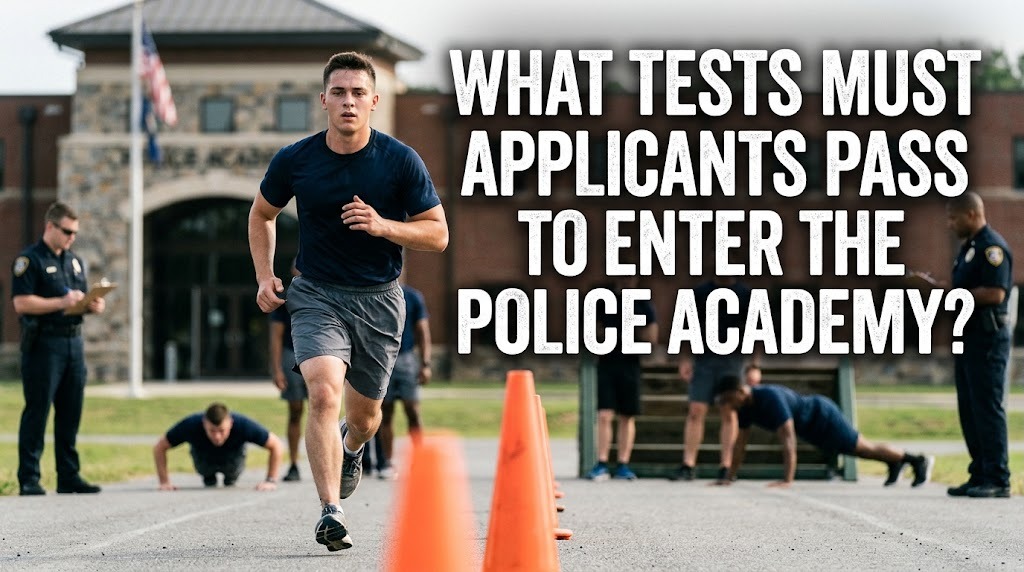
Entering the Police Academy is an important step for individuals who want to build a career in law enforcement. The admission process is designed to identify candidates who have the academic ability, physical fitness, mental readiness, emotional stability, and personal integrity required to become police officers. Applicants must prepare carefully because each stage evaluates different skills and qualifications.
In Indonesia, admission to the Indonesian Police Academy, known as Akademi Kepolisian or Akpol, generally involves administrative verification, health examinations, physical fitness assessments, psychological evaluations, academic testing, and other selection stages. The exact requirements, test formats, and assessment procedures may change according to the official recruitment announcement for each year. Understanding these stages helps applicants prepare more effectively and avoid common mistakes during the selection process.
ADMINISTRATIVE ELIGIBILITY AND DOCUMENT VERIFICATION
The administrative selection is usually the first stage that applicants must complete when applying to the Police Academy. At this stage, officers verify whether candidates meet the official requirements, including educational qualifications, age limits, citizenship, and other eligibility conditions. Applicants may also need to provide identification documents, educational certificates, family records, and other paperwork specified in the recruitment announcement. Every document must contain accurate information and meet the required standards. Missing, inconsistent, or invalid documents may prevent an applicant from continuing to the next stage.
To prepare for this assessment, candidates should read the latest official recruitment guidelines carefully. They should organize all required documents before registration and check that personal information is consistent across records. Applicants must also pay attention to submission deadlines and follow the prescribed registration procedures. It is important not to rely solely on information from unofficial websites or social media accounts. Confirming requirements through official Indonesian National Police recruitment channels can help candidates avoid misinformation and unnecessary problems.
MEDICAL EXAMINATIONS AND PHYSICAL HEALTH
Medical examinations are an important part of Police Academy selection because police officers must be physically capable of performing demanding duties. These examinations may assess vision, hearing, cardiovascular health, respiratory function, dental health, and other aspects of physical condition. Depending on the official standards, doctors may also evaluate body measurements and identify medical conditions that could affect an applicant's ability to complete training. The purpose is to determine whether candidates meet the established medical requirements for police education. Applicants should understand that the final decision depends on the official examination criteria rather than personal assumptions about their health.
Candidates can prepare by maintaining a balanced diet, exercising regularly, getting sufficient sleep, and attending medical consultations when necessary. Routine health checks can help identify concerns that may require professional attention before the selection process. Applicants should avoid unverified supplements or extreme diets that promise rapid improvements in physical condition. They must also provide honest medical information and follow the instructions of authorized examiners. Good preparation supports overall health, although no routine can guarantee that an applicant will pass the medical examination.
PHYSICAL FITNESS AND ATHLETIC TESTS
Physical fitness tests measure whether candidates have the strength, endurance, speed, and coordination needed for police training. Depending on the current recruitment standards, assessments may include running, push-ups, sit-ups, pull-ups or related exercises, and other physical activities. Some selection procedures may also evaluate agility and coordination through specific fitness tasks. These tests are intended to assess physical performance against established standards. The exact exercises, scoring system, and minimum requirements must be checked in the official announcement.
Applicants should develop a consistent training routine well before the selection period begins. A balanced program can combine cardiovascular exercise, strength training, flexibility work, and adequate recovery. Candidates should increase their training intensity gradually to reduce the risk of injury. Practicing the required exercises under safe conditions can help them become familiar with the expected movements and improve performance. Regular progress tracking is also useful because it allows applicants to identify weaknesses and adjust their training plans.
PSYCHOLOGICAL AND MENTAL READINESS ASSESSMENTS
Psychological assessments help determine whether applicants possess personal qualities and mental abilities that are relevant to police education and professional responsibilities. Depending on the official selection procedure, these assessments may evaluate reasoning, attention, emotional regulation, personality characteristics, decision-making, and responses to challenging situations. Some tests use written questions, while others may involve structured assessments administered by qualified professionals. The purpose is to understand how candidates process information and respond to different demands. Applicants should not assume that psychological testing measures only intelligence because it can cover several aspects of psychological suitability.
Preparing for these assessments requires more than memorizing answers. Candidates can practice logical reasoning, numerical problems, verbal comprehension, and concentration exercises to improve familiarity with common testing formats. Maintaining a healthy sleep schedule and managing stress can also support clear thinking during examinations. Applicants should answer personality-related questions honestly rather than trying to create an artificial profile. The evaluation process follows the applicable assessment standards, and no preparation method can guarantee a passing result.
ACADEMIC KNOWLEDGE AND INTELLIGENCE TESTS
Academic assessments evaluate whether applicants have the knowledge and reasoning skills necessary to undertake police education. Depending on the recruitment system and current requirements, candidates may encounter questions involving mathematics, language comprehension, general knowledge, logical reasoning, or other specified subjects. These tests can help measure how well applicants understand information, analyze problems, and select appropriate answers. The exact subjects and testing methods may differ between recruitment periods. Therefore, applicants should consult the latest official guidelines instead of relying on outdated test examples.
A structured study plan can help candidates prepare without becoming overwhelmed. They should review relevant school subjects, practice timed questions, and identify areas that need improvement. Reading regularly can strengthen vocabulary and comprehension, while mathematical exercises can improve numerical reasoning. Applicants should also learn to manage their time because spending too long on one question may affect their overall performance. Reviewing mistakes after each practice session can help them understand concepts more clearly and develop more effective problem-solving strategies.
INTERVIEWS AND PERSONALITY EVALUATIONS
Interviews may be included in the selection process to assess an applicant's motivation, communication skills, personal background, and understanding of the responsibilities of a police officer. Evaluators may ask why candidates want to join the Police Academy, how they handle challenges, and what they understand about discipline and public service. Depending on the official recruitment procedure, interviews or related assessments may also examine attitudes toward integrity, responsibility, teamwork, and respect for the law. Candidates are expected to communicate clearly and respond appropriately to questions. The specific interview format and assessment criteria depend on the applicable selection rules.
Applicants can prepare by learning about the role of the Indonesian National Police and reflecting on their reasons for pursuing a law enforcement career. Practicing with sample interview questions may help them express their thoughts more confidently. Candidates should speak respectfully, provide truthful answers, and avoid exaggerating their achievements. They should also demonstrate an understanding that police work involves serving the public, respecting human rights, and following legal procedures. Strong communication is valuable, but genuine integrity and realistic motivation are equally important.
OTHER SELECTION STAGES AND FINAL ASSESSMENT
Police Academy recruitment may include additional examinations or verification procedures beyond the main medical, physical, psychological, and academic tests. Depending on the official requirements, these stages may involve assessments of personality, mental attitudes, administrative compliance, or other competencies relevant to police service. Some procedures may also include further health evaluations or checks designed to verify information provided during registration. Candidates must complete every required stage according to the instructions issued by the recruitment committee. Passing one examination does not automatically guarantee acceptance into the Police Academy.
The final outcome depends on the applicable selection rules, assessment results, eligibility requirements, and available admission places. Applicants should follow official announcements to understand how scores are calculated and how candidates are ranked. They should also attend every scheduled examination, bring the required documents, and comply with all instructions from authorized officials. Candidates must be cautious of individuals who promise admission in exchange for money or special treatment. Official recruitment procedures should be followed through authorized channels, and applicants should report suspected fraud to the appropriate authorities.
HOW TO PREPARE EFFECTIVELY FOR POLICE ACADEMY SELECTION
Successful preparation requires a balanced approach because Police Academy selection evaluates several different aspects of a candidate's readiness. Applicants should begin by reviewing the latest eligibility requirements and creating a checklist of documents and examination stages. They can then develop a weekly schedule that combines academic study, physical training, sufficient rest, and psychological preparation. Regular practice helps candidates identify weaknesses early and measure their progress. Preparation should be consistent rather than limited to the final weeks before the examinations.
Candidates should also develop discipline, honesty, responsibility, and respect for others throughout the preparation process. These qualities are relevant to police education because officers are expected to uphold the law and serve the community professionally. Applicants should seek guidance from reliable sources and qualified professionals when they need help understanding specific requirements. They must remember that recruitment standards can change, so official announcements remain the most reliable reference. By preparing systematically and maintaining realistic expectations, candidates can approach the selection process with greater confidence.
CONCLUSION
Entering the Police Academy requires applicants to pass several selection stages designed to evaluate their eligibility, health, physical fitness, academic ability, psychological readiness, and personal qualities. Administrative verification, medical examinations, physical fitness tests, psychological assessments, academic tests, and interviews may form part of the process, depending on the current recruitment rules. Candidates should prepare early, maintain healthy routines, practice relevant skills, and demonstrate honesty throughout the selection process. Most importantly, they must verify the latest requirements through official Indonesian National Police recruitment announcements because specific tests and standards may change. Careful preparation can improve readiness, although admission ultimately depends on meeting the official criteria and the results of the selection process.
Recent Posts

Bagaimana Sistem SKS pada Program Kuliah... 22.11.2026/57 View

How Does Technology Make Daily Evaluation... 21.11.2026/86 View

Apa Strategi Menghadapi Kesenjangan antara Kompetensi... 21.11.2026/84 View

Mengapa Inventaris Aset Penting bagi Kelancaran... 21.11.2026/82 View

When Should Musicians Join a Record... 21.11.2026/86 View
