

What Types of Activities Do Social Volunteers Usually Perform?
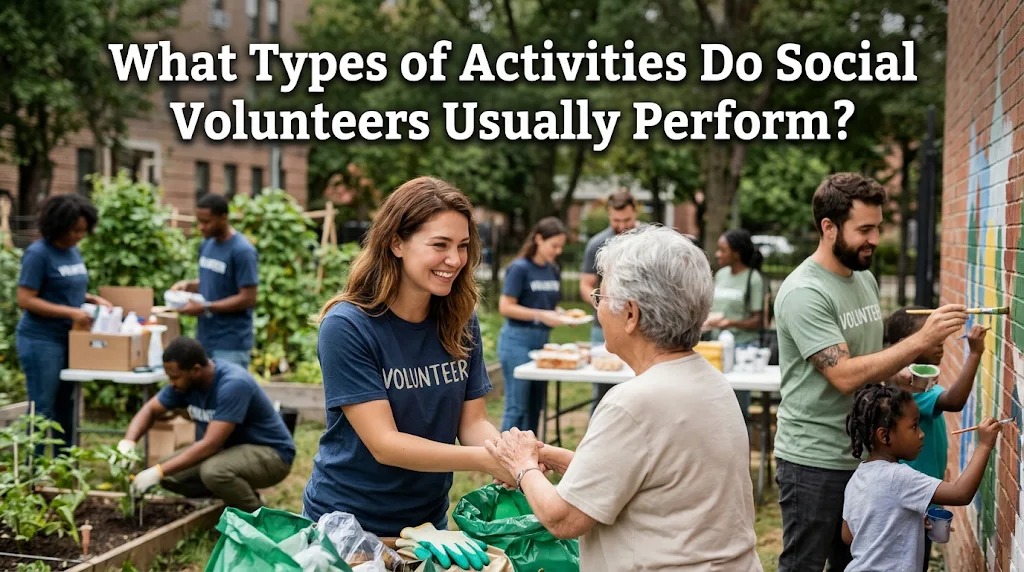
Social volunteers participate in various activities to help individuals and communities facing different challenges. Their work can include providing basic necessities, supporting education, protecting the environment, assisting disaster victims, and improving community well-being. These activities are usually organized by social organizations, humanitarian groups, educational institutions, or local communities. Each program has different goals depending on the problems and needs of the people receiving assistance.
Social volunteering is not limited to giving donations or distributing supplies. Volunteers can also share knowledge, provide emotional support, organize community programs, and encourage people to become more independent. The activities they perform often depend on their skills, available resources, and the amount of time they can contribute. Understanding these activities can help people recognize the important role volunteers play in creating positive changes in society.
PROVIDING FOOD AND BASIC NECESSITIES
One of the most common activities performed by social volunteers is distributing essential supplies to people in need. These supplies may include rice, cooking oil, drinking water, clothing, blankets, and personal hygiene products. Volunteers often collect donations from individuals, businesses, or organizations before distributing them to families experiencing financial difficulties. They may also organize food-sharing programs for homeless people, elderly individuals, and communities affected by poverty. These activities help recipients meet their daily needs, especially when they have limited access to basic resources.
Volunteers must ensure that donated items are suitable, safe, and distributed fairly. They usually coordinate with local community leaders to identify families who need assistance the most. Proper planning is important to prevent supplies from being wasted or delivered to the wrong recipients. Volunteers should also respect the dignity of people receiving help and avoid treating them differently because of their economic conditions. Through these efforts, basic assistance programs can provide meaningful support to vulnerable communities.
HELPING CHILDREN AND SUPPORTING EDUCATIONAL ACTIVITIES
Education is another important area of social volunteering. Many volunteers participate in free tutoring programs for children who need additional learning support. They may teach reading, writing, mathematics, English, and other basic subjects. Some volunteers also organize reading sessions, creative activities, and educational games to make learning more enjoyable. These programs can help children improve their knowledge, confidence, and interest in education.
In addition to teaching, volunteers may provide school supplies such as books, notebooks, stationery, and learning materials. They can also organize workshops that introduce children to useful skills, including computer literacy and environmental awareness. In communities with limited educational facilities, these activities can provide valuable learning opportunities. Volunteers should adjust their teaching methods to the children's ages and abilities. By supporting education, they help create opportunities for children to develop their potential and prepare for the future.
ASSISTING DISASTER VICTIMS AND HUMANITARIAN PROGRAMS
Social volunteers often participate in humanitarian activities when natural disasters or emergencies affect communities. Floods, earthquakes, landslides, and other disasters can leave people without homes, food, clean water, and access to essential services. Volunteers may help collect donations, prepare emergency packages, distribute supplies, and support temporary shelters. They can also assist with organizing donated goods and communicating information to affected residents. Their involvement helps humanitarian organizations respond to community needs more effectively.
After the emergency period, volunteers may continue supporting recovery activities. They can help clean affected neighborhoods, distribute rebuilding materials, and assist families in accessing available support services. Some volunteers also participate in community recovery programs that help residents return to their daily activities. However, dangerous rescue operations and medical treatment must be handled by trained professionals. Volunteers should follow instructions from emergency response teams and prioritize safety during every activity. Their cooperation can make disaster assistance more organized and useful for affected communities.
ORGANIZING ENVIRONMENTAL CLEANUP AND CONSERVATION ACTIVITIES
Environmental activities are another common form of social volunteering. Volunteers may organize neighborhood cleanups, river cleaning programs, tree planting, and waste management campaigns. These activities encourage residents to maintain clean surroundings and understand the importance of protecting natural resources. Volunteers can also educate people about separating waste, reducing plastic use, and keeping public spaces free from litter. Such programs help create healthier environments and reduce pollution in local communities.
Environmental volunteering can also involve longer-term conservation projects. For example, volunteers may participate in mangrove restoration, coastal protection, community gardening, or activities to protect local ecosystems. These programs often require cooperation with environmental organizations and local residents. Volunteers need to understand the environmental conditions of the area before choosing suitable activities. Consistent participation is important because environmental improvement usually takes time. Through these efforts, volunteers can encourage communities to develop more responsible and sustainable habits.
SUPPORTING HEALTH AND SOCIAL WELFARE PROGRAMS
Social volunteers can contribute to public health programs by helping communities access useful health information and services. They may assist with health awareness campaigns about personal hygiene, balanced nutrition, disease prevention, and healthy lifestyles. Some volunteers help organize community health events in cooperation with hospitals, clinics, or qualified healthcare workers. They can also support administrative activities, registration, and the distribution of educational materials. These efforts can help residents understand the importance of maintaining their health and seeking professional care when necessary.
Volunteers also participate in activities that support vulnerable groups, including elderly people, individuals with disabilities, and people experiencing social isolation. They may visit elderly residents, help organize inclusive community events, or assist people with daily activities within appropriate safety limits. Some programs provide companionship and emotional support to individuals who have limited social interaction. Volunteers must respect personal privacy, individual needs, and professional boundaries. When someone requires medical treatment, psychological care, or specialized assistance, volunteers should connect them with qualified professionals.
CONCLUSION
Social volunteers perform many activities that support individuals and improve community conditions. Their contributions include distributing basic necessities, supporting education, assisting disaster victims, protecting the environment, and participating in health and social welfare programs. Each activity has a different purpose, but all are intended to improve people's quality of life and strengthen social relationships. Successful volunteering requires cooperation, responsibility, and an understanding of the needs of the community. By participating in meaningful activities, social volunteers can help create a more caring, supportive, and resilient society.
Recent Posts

Bagaimana Sistem SKS pada Program Kuliah... 22.11.2026/27 View

How Does Technology Make Daily Evaluation... 21.11.2026/65 View

Apa Strategi Menghadapi Kesenjangan antara Kompetensi... 21.11.2026/65 View

Mengapa Inventaris Aset Penting bagi Kelancaran... 21.11.2026/62 View

When Should Musicians Join a Record... 21.11.2026/63 View
