

What Types of Data Are Recorded in the Dapodik System?
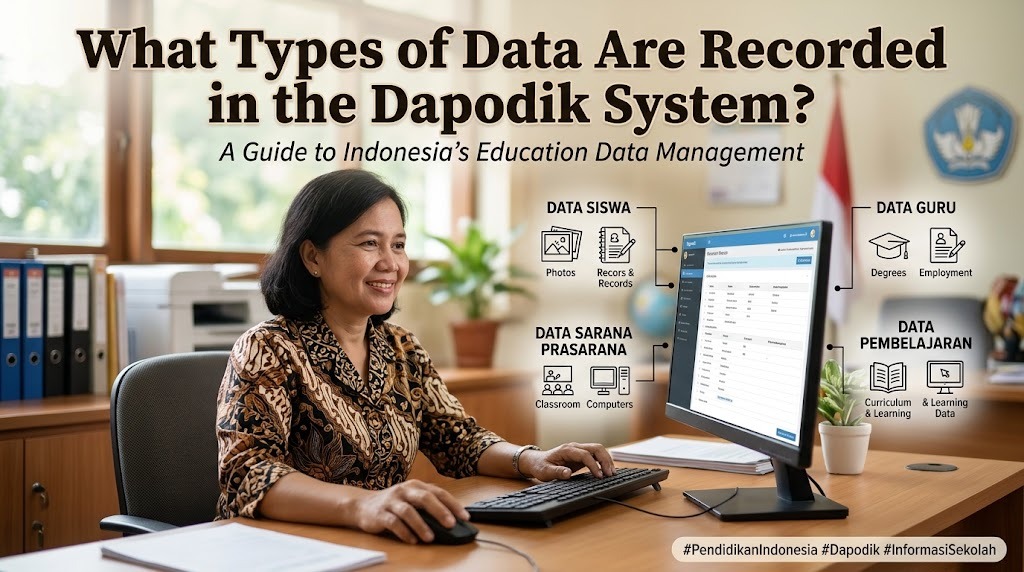
Accurate educational data is essential for managing schools, supporting teachers, and planning education programs. In Indonesia, the Data Pokok Pendidikan (Dapodik) system collects and organizes information about educational institutions, students, teachers, education personnel, learning activities, and school facilities. This information helps schools maintain administrative records and provides education authorities with data for planning and policy development. Understanding the types of information recorded in Dapodik helps school administrators recognize the importance of complete, accurate, and regularly updated records.
SCHOOL IDENTITY AND INSTITUTIONAL DATA
Dapodik records basic information that identifies an educational institution and describes its administrative circumstances. This information can include the school name, identification number, address, education level, and other institutional details. These records help distinguish one school from another and provide a reference for managing its educational information. School administrators need to ensure that institutional details reflect official records and actual conditions. Accurate school identity data also supports coordination between educational institutions and relevant government authorities.
STUDENT IDENTITY AND ENROLLMENT DATA
Student data is an important component of Dapodik because it helps schools maintain information about enrollment and student participation. Records can include student identities, identification numbers, registration details, class placement, and enrollment status. Schools use this information to organize student records and monitor changes during the academic year. Accurate information is particularly important when students transfer schools, enter a new education level, or experience changes in their registration status. Student records must be managed carefully to prevent errors and protect personal information.
TEACHER AND EDUCATION PERSONNEL DATA
Dapodik includes information about teachers and other education personnel working in schools. Relevant records may cover personal details, qualifications, employment status, teaching assignments, and other professional information required for educational administration. These records help authorities understand staffing conditions and support certain verification processes. School operators should update information when teachers join, leave, change assignments, or experience other relevant employment changes. Accurate personnel data helps reduce administrative inconsistencies and supports education workforce planning.
LEARNING AND CLASSROOM DATA
Learning-related data describes how educational activities are organized within a school. This information may include learning groups, class arrangements, curriculum-related details, subjects, and teacher assignments. Such records help connect student enrollment with the classes and educational activities in which students participate. Administrators can review these details to identify inconsistencies in class organization or teaching assignments. Keeping learning data current helps schools maintain reliable records of their educational operations.
SCHOOL FACILITIES AND INFRASTRUCTURE DATA
Dapodik also records information about school buildings, facilities, and educational infrastructure. Depending on the applicable data fields, these records may include classrooms, libraries, laboratories, sanitation facilities, land, buildings, and learning equipment. This information helps describe the resources available to support teaching and learning. Education authorities can use infrastructure data to assess school conditions and identify potential facility needs. Schools should update their records when facilities are added, renovated, damaged, or otherwise changed.
SCHOOL OWNERSHIP AND OPERATIONAL INFORMATION
Institutional records can also include information about school management and operational characteristics. Depending on the school and applicable reporting requirements, this may cover the school’s status, education provider, operational arrangements, and related administrative details. Such information helps authorities understand the organizational context in which a school operates. Administrators should verify these details against official documentation and follow the relevant procedures when changes occur. Consistent operational information supports more reliable school reporting and planning.
EDUCATIONAL RESOURCES AND SUPPORTING EQUIPMENT
Information about educational resources helps schools describe the tools and equipment available for learning activities. Depending on the relevant Dapodik fields, records may cover computers, laboratory equipment, library resources, and other supporting facilities. These details can help administrators review whether existing resources meet the needs of students and teachers. They can also contribute to broader assessments of resource distribution across schools. Regular updates are necessary so that recorded information reflects the resources actually available at the institution.
HOW DAPODIK DATA SUPPORTS EDUCATION PLANNING
The different categories of Dapodik data provide a broader picture of educational conditions in Indonesia. Student records help authorities understand enrollment, while teacher data contributes to staffing analysis and infrastructure information supports facility planning. These records can inform the administration of certain education programs and the identification of schools requiring additional support. However, program eligibility and funding decisions may depend on separate criteria, verification processes, and applicable regulations. Therefore, accurate Dapodik data is an important reference but is not the only factor in every education-related decision.
THE IMPORTANCE OF DATA ACCURACY AND SECURITY
The usefulness of Dapodik depends on whether the information recorded is complete, accurate, and up to date. Incorrect student identities, outdated teacher assignments, or inaccurate facility details can create administrative difficulties and affect planning. Schools should regularly review records, verify entries against supporting documents, and correct discrepancies through authorized procedures. Because the system contains personal information, access must also be limited to authorized personnel and handled according to applicable data protection requirements. Responsible data management helps maintain both the reliability and confidentiality of educational records.
CONCLUSION
The Dapodik system records several types of educational information, including school identities, student enrollment, teacher and staff records, learning arrangements, infrastructure, and educational resources. Together, these records help schools manage administrative responsibilities and provide education authorities with information for planning and program administration. The exact fields may vary according to applicable requirements and the version of the application being used. By maintaining accurate records and protecting personal information, schools can help ensure that Dapodik remains a reliable source of educational data in Indonesia.
Recent Posts

Bagaimana Sistem SKS pada Program Kuliah... 22.11.2026/50 View

How Does Technology Make Daily Evaluation... 21.11.2026/79 View

Apa Strategi Menghadapi Kesenjangan antara Kompetensi... 21.11.2026/79 View

Mengapa Inventaris Aset Penting bagi Kelancaran... 21.11.2026/75 View

When Should Musicians Join a Record... 21.11.2026/80 View
