

What Types of Lecturer Training Support Academic Career Development
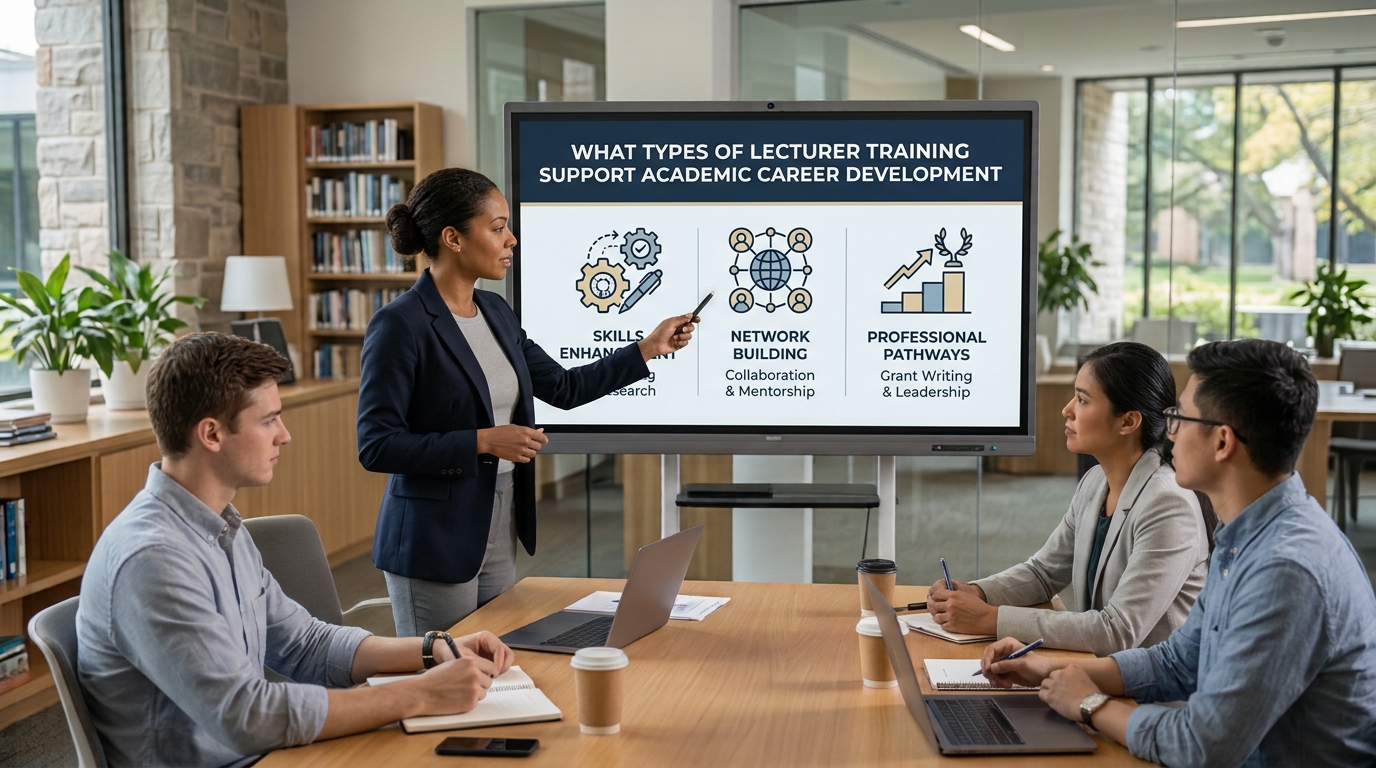
Academic career development is an important part of building a successful career in higher education. Lecturers are expected to teach effectively, conduct research, publish academic work, and contribute to the development of their institutions. Meeting these responsibilities requires continuous learning and professional improvement. Lecturer training provides opportunities for educators to strengthen their knowledge, develop new skills, and prepare for greater academic responsibilities. By participating in suitable training programs, lecturers can improve their professional performance and expand their career opportunities.
UNDERSTANDING LECTURER TRAINING FOR ACADEMIC CAREERS
Lecturer training refers to organized learning activities designed to improve lecturers' professional knowledge, teaching abilities, research skills, and academic leadership. These activities may include workshops, seminars, certification programs, mentoring, and specialized courses. Each program focuses on specific competencies that lecturers need at different stages of their careers. Training can help new lecturers build a strong foundation while experienced educators prepare for more advanced responsibilities. This makes professional development an important part of long-term academic growth.
Academic career development involves more than gaining experience in the classroom. Lecturers may need to improve their research productivity, contribute to academic publications, supervise students, and participate in institutional decision-making. Continuous professional development helps them respond to these expectations and keep their knowledge relevant. It also encourages lecturers to evaluate their strengths and identify areas for improvement. With clear development goals, lecturers can build a more structured and sustainable academic career.
PEDAGOGICAL TRAINING TO IMPROVE TEACHING SKILLS
Pedagogical training focuses on improving lecturers' ability to plan lessons, explain concepts, manage classrooms, and assess student learning. Programs may cover curriculum design, student-centered learning, classroom communication, and assessment techniques. These skills help lecturers create lessons that are clear, organized, and relevant to learning objectives. Training also introduces methods such as project-based learning, case studies, and group discussions. As a result, lecturers can provide more engaging learning experiences.
Strong teaching skills can support academic career development because teaching is a central responsibility in higher education. Lecturers who continuously improve their teaching methods are better prepared to respond to different student needs. They can also use student feedback and assessment results to refine their instructional practices. Teaching competence supports professional credibility and can contribute to teaching evaluations and institutional recognition. However, career advancement usually depends on several factors, including institutional requirements, qualifications, research, and service.
RESEARCH TRAINING TO STRENGTHEN ACADEMIC PRODUCTIVITY
Research is an important responsibility for lecturers who want to develop their academic careers. Research training helps educators improve their understanding of research methods, data collection, data analysis, and academic writing. It can also teach them how to formulate research questions, review scientific literature, and follow ethical research practices. These competencies help lecturers conduct studies more systematically and produce reliable findings. Strong research skills can also support collaboration with other academics.
Some research training programs focus on preparing journal articles, writing research proposals, and presenting findings at academic conferences. Lecturers can learn how to select appropriate publications, respond to peer-review feedback, and communicate their research clearly. They may also receive guidance on grant applications and research project management. Academic research skills can strengthen publication quality and increase opportunities to participate in research collaborations. Nevertheless, meaningful research development requires consistent practice, adequate resources, and adherence to academic integrity.
DIGITAL TRAINING FOR MODERN ACADEMIC DEVELOPMENT
Digital technology has changed how lecturers teach, conduct research, and collaborate with other professionals. Digital training helps lecturers use learning management systems, online teaching platforms, digital libraries, and research software. It can also introduce tools for data analysis, academic collaboration, and the organization of teaching materials. These skills help educators work more efficiently and adapt to changing academic environments. Digital competence is increasingly valuable for lecturers who teach in face-to-face, online, or blended learning settings.
Lecturers also need to understand responsible technology use, data protection, and the limitations of digital tools. Training can help them evaluate online information, protect research data, and use artificial intelligence appropriately in academic activities. These abilities support more effective teaching and research without replacing professional judgment. Digital competence can broaden opportunities for international collaboration, online learning, and research dissemination. By updating their technological skills, lecturers can remain adaptable throughout their academic careers.
LEADERSHIP TRAINING FOR ACADEMIC ADVANCEMENT
As lecturers gain experience, they may take on responsibilities such as coordinating programs, leading research teams, managing departments, or participating in academic committees. Leadership training helps prepare them for these roles by developing communication, decision-making, conflict resolution, and team management skills. It can also improve their ability to plan projects and coordinate institutional activities. These competencies are valuable when lecturers move into positions with greater responsibility. Effective leadership helps academic teams work toward shared goals.
Academic leadership also requires integrity, fairness, and the ability to make decisions based on evidence. Training can help lecturers understand institutional policies, manage resources responsibly, and support colleagues in professional development. They can learn to handle disagreements constructively and encourage collaboration across academic departments. Leadership competence can prepare lecturers for future management opportunities and strengthen their contribution to university development. The specific qualifications required for promotion depend on the institution and its academic career regulations.
MENTORING AND PROFESSIONAL NETWORKING
Mentoring is another useful approach to academic career development. Through mentoring, less experienced lecturers can receive guidance from senior academics who understand teaching, research, publication, and institutional responsibilities. Mentors can help lecturers set realistic goals, review their progress, and identify opportunities for professional growth. Regular discussions also allow lecturers to learn from practical experiences and avoid common career challenges. Academic mentoring can provide valuable support during different stages of a lecturer's career.
Professional networking creates additional opportunities to exchange knowledge and develop collaborations. Lecturers can build connections through academic conferences, seminars, research groups, and professional associations. These relationships may lead to joint publications, research projects, guest lectures, and international academic partnerships. Networking also helps lecturers discover emerging developments within their fields. Combined with mentoring, professional collaboration can strengthen academic visibility and support long-term career development.
HOW TO CHOOSE THE RIGHT LECTURER TRAINING PROGRAM
Choosing the right training program begins with identifying professional goals and current skill gaps. Lecturers should consider whether they need to improve teaching, research, digital competence, leadership, or academic writing. They should also review the program's learning objectives, instructors, practical activities, and relevance to their responsibilities. Relevant training is more useful when it addresses specific development needs instead of offering general information without practical application. Lecturers should also consider the time, cost, and resources required to participate.
Universities can support this process by providing career guidance and evaluating professional development needs. Lecturers should set measurable goals, such as improving a course design, completing a research proposal, or developing a new assessment method. After training, they can apply their knowledge and review the results with colleagues or mentors. Regular evaluation helps determine whether a program has contributed to professional improvement. This approach makes training a purposeful part of academic career planning.
CONCLUSION
Different types of lecturer training support academic career development by strengthening teaching, research, digital competence, leadership, and professional collaboration. Each type of training addresses different responsibilities and can help lecturers prepare for new academic opportunities. The most effective approach is to select programs that match individual goals and institutional needs. Universities should also provide mentoring, appropriate resources, and opportunities to apply newly acquired skills. Through continuous lecturer training and professional development, lecturers can improve their performance, expand their expertise, and build sustainable academic careers.
Recent Posts

Bagaimana Sistem SKS pada Program Kuliah... 22.11.2026/45 View

How Does Technology Make Daily Evaluation... 21.11.2026/73 View

Apa Strategi Menghadapi Kesenjangan antara Kompetensi... 21.11.2026/75 View

Mengapa Inventaris Aset Penting bagi Kelancaran... 21.11.2026/71 View

When Should Musicians Join a Record... 21.11.2026/75 View
