

What Types of Tests Are Included in Free Health Checkups?
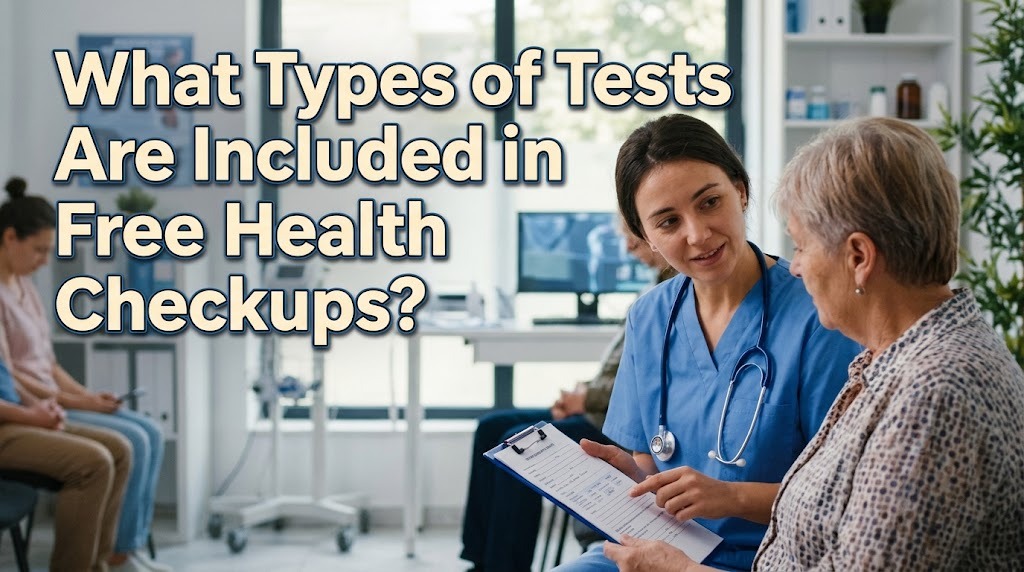
Maintaining good health is important for everyone, but many people do not regularly visit healthcare facilities unless they experience symptoms. In fact, some health conditions can develop without clear warning signs. Regular health screenings help people understand their physical condition, identify potential health risks, and take preventive steps before problems become more serious.
Free health checkups are one way to make basic healthcare services more accessible to the public. These programs allow eligible participants to receive various health screenings without paying for services covered by the program. The types of tests may vary depending on age, health history, and individual risk factors. Understanding the available examinations can help people prepare for their appointments and make better use of these services.
WHAT ARE FREE HEALTH CHECKUPS?
Free health checkups are healthcare services provided without charge for eligible participants under a government or healthcare program. Their main purpose is to help people understand their health conditions through early screening and basic medical examinations. These services can identify certain risk factors even when a person does not feel sick. They also encourage people to pay more attention to their health and develop healthier daily habits.
In Indonesia, the government's Free Health Checkup Program, known as Cek Kesehatan Gratis, provides screening services based on different age groups. The examinations are designed to identify potential health problems and support early prevention. The specific tests depend on the participant's age category and the program's applicable guidelines. If a screening result indicates a possible health problem, further evaluation may be recommended by healthcare professionals.
BLOOD PRESSURE TEST
A blood pressure test is one of the most common examinations included in health screening programs. It measures the force of blood pushing against the walls of the arteries as the heart pumps. The results consist of two numbers: systolic pressure, which measures pressure when the heart contracts, and diastolic pressure, which measures pressure when the heart relaxes. This examination helps identify possible high or low blood pressure.
High blood pressure, also known as hypertension, often develops without noticeable symptoms. If left uncontrolled, it can increase the risk of heart disease, stroke, and kidney problems. Regular blood pressure measurements help people recognize potential problems and seek medical advice when necessary. The test is simple, usually takes only a few minutes, and does not require an invasive procedure.
BLOOD SUGAR TEST
A blood sugar test measures the amount of glucose in the bloodstream. Glucose is the body's main source of energy and comes primarily from the food and drinks people consume. However, blood sugar levels that remain too high may indicate a problem with the body's ability to regulate glucose. This examination is important for identifying possible diabetes and other blood sugar-related conditions.
Depending on the screening guidelines, the test may involve measuring blood glucose through a small blood sample. Some tests require fasting, while others can be performed without fasting, depending on the type of examination. Healthcare workers will explain any preparation requirements before the test. If the result is outside the expected range, additional testing may be needed to confirm the condition and determine the appropriate treatment.
CHOLESTEROL TEST
A cholesterol test measures the levels of different types of fats in the blood. These include low-density lipoprotein (LDL), high-density lipoprotein (HDL), and triglycerides. LDL is often called bad cholesterol because high levels can contribute to plaque buildup in the arteries. Meanwhile, HDL helps transport cholesterol away from the arteries for processing by the liver.
This examination is useful for identifying factors that may increase the risk of cardiovascular disease. High cholesterol usually does not cause noticeable symptoms, so a person may have elevated levels without realizing it. Screening can help healthcare professionals assess whether someone needs dietary changes, physical activity, or further medical evaluation. However, cholesterol testing is not necessarily included in every free health checkup because the available examinations depend on age groups and program guidelines.
BODY WEIGHT AND HEIGHT MEASUREMENT
Measuring body weight and height helps healthcare professionals evaluate a person's general physical condition. These measurements can be used to calculate the Body Mass Index (BMI), which compares body weight with height. BMI provides an initial indication of whether a person may be underweight, within a healthy weight range, overweight, or obese. It is commonly used as a basic screening tool during health assessments.
Although BMI can provide useful information, it does not directly measure body fat or distinguish between muscle and fat. Therefore, the results should be interpreted alongside other health indicators and individual circumstances. Weight and height measurements are particularly useful for monitoring changes over time. For children, growth measurements can also help healthcare professionals assess whether physical development is appropriate for their age.
EYE AND VISION TEST
Eye examinations may also be included in free health screening programs, depending on the participant's age and applicable examination guidelines. These tests help identify possible vision problems, such as difficulty seeing objects clearly at different distances. Some examinations may involve reading letters or symbols from a specific distance to evaluate visual sharpness. Early identification can help people receive appropriate treatment or corrective support.
Vision problems can affect daily activities, including reading, studying, working, and driving. Some eye conditions may also develop gradually without causing obvious discomfort during the early stages. Screening helps identify people who may need a more detailed examination by an eye specialist. If unusual results are found, further assessment may be recommended to determine the cause and appropriate care.
HEARING TEST
Hearing tests are examinations used to assess a person's ability to detect and recognize sounds. These tests may be included in health screening services for certain age groups, particularly children and older adults. The examination helps identify possible hearing difficulties that may interfere with communication and daily activities. Depending on the screening method, healthcare workers may assess responses to sounds at different frequencies or volumes.
Early detection of hearing problems is important because untreated hearing difficulties can affect learning, social interaction, and quality of life. In children, hearing problems may influence speech and language development. In older adults, hearing loss can make communication more difficult and reduce social participation. If screening indicates a possible problem, a more detailed hearing examination may be recommended.
DENTAL AND ORAL HEALTH EXAMINATION
Dental and oral health examinations help identify problems affecting the teeth, gums, and other parts of the mouth. Healthcare professionals may check for cavities, gum inflammation, oral hygiene problems, and other visible conditions. These examinations are important because oral health is closely connected to general well-being. Early identification can prevent minor dental problems from becoming more serious.
Poor oral health can cause pain, difficulty eating, and infections that may require further treatment. Regular dental care also helps people understand proper brushing techniques and the importance of maintaining clean teeth. Depending on the program and age category, dental screening may be included as part of the available free health checkup services. Participants who need additional treatment may be advised to visit a dental healthcare professional.
CANCER SCREENING AND OTHER HEALTH EXAMINATIONS
Some free health screening programs include examinations designed to identify early signs or risk factors of certain cancers. For example, eligible women may receive cervical cancer screening or breast health examinations based on age and applicable medical guidelines. These examinations are important because some cancers may not produce clear symptoms during their early stages. Early detection can improve the opportunity to receive appropriate treatment.
Other screenings may focus on infectious diseases, nutritional conditions, mental health, or specific health risks depending on the program's coverage. Not every participant will receive all these examinations because screening recommendations are based on age, medical history, and individual risk factors. Healthcare professionals determine which tests are appropriate and whether further examinations are necessary. Participants should follow medical advice rather than assuming that every available test is automatically included in the free program.
HOW TO PREPARE FOR A FREE HEALTH CHECKUP
Preparing before a free health checkup can help make the examination process easier and more effective. Participants should bring the required identification documents and follow the registration instructions provided by the healthcare facility. It is also helpful to prepare information about previous illnesses, current medications, allergies, and relevant family medical history. This information allows healthcare professionals to understand the participant's health background more accurately.
Some examinations may require special preparation, such as fasting before certain blood tests. However, not every health checkup requires participants to avoid eating or drinking beforehand. Therefore, people should confirm the instructions with the healthcare facility before their appointment. Arriving on time and answering medical questions honestly can also help ensure that the screening process runs smoothly.
WHAT HAPPENS AFTER THE HEALTH CHECKUP?
After completing the examinations, participants can receive information about their screening results. Healthcare professionals may explain which results are within the expected range and which findings require further attention. These results provide an initial overview of a person's health condition rather than a complete diagnosis of every possible disease. Therefore, participants should discuss any unusual findings with qualified medical professionals.
If a screening result indicates a potential health problem, further examinations or medical consultations may be recommended. For example, someone with elevated blood sugar may need additional tests to determine whether they have diabetes. Participants may also receive advice about nutrition, exercise, medication, or other lifestyle changes based on their individual needs. Following these recommendations is important to ensure that the benefits of free health checkups continue beyond the screening appointment.
CONCLUSION
Free health checkups can include various examinations, such as blood pressure measurements, blood sugar tests, cholesterol checks, body weight and height measurements, vision tests, hearing tests, and dental examinations. Certain programs may also provide cancer screening and other health assessments based on age groups and individual risk factors. The exact types of tests depend on the program's guidelines and the healthcare services available to eligible participants.
These examinations play an important role in identifying potential health problems before they become more serious. However, screening results should not be considered a complete medical diagnosis. Participants should follow healthcare professionals' recommendations and undergo additional examinations when necessary. By taking advantage of available free health checkups and maintaining healthy daily habits, people can take more active steps toward protecting their health and improving their quality of life.
Recent Posts

Bagaimana Sistem SKS pada Program Kuliah... 22.11.2026/49 View

How Does Technology Make Daily Evaluation... 21.11.2026/76 View

Apa Strategi Menghadapi Kesenjangan antara Kompetensi... 21.11.2026/78 View

Mengapa Inventaris Aset Penting bagi Kelancaran... 21.11.2026/74 View

When Should Musicians Join a Record... 21.11.2026/78 View
