

What Types of Waste Must Be Handled by Waste Managers?
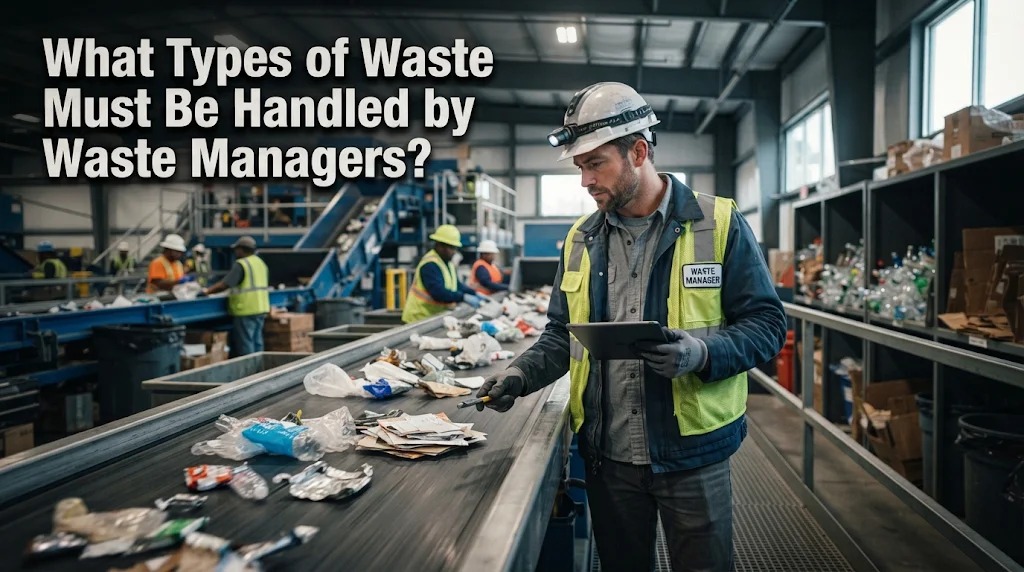
Waste managers play an important role in maintaining environmental cleanliness and protecting public health. Every day, households, businesses, factories, hospitals, and other facilities produce different types of waste that must be handled properly. Each type of waste has different characteristics, risks, and treatment methods. Some waste can be recycled, while other materials require special handling because they may contain harmful substances. Understanding the types of waste handled by waste managers helps communities recognize the importance of proper waste management and environmental protection.
HOUSEHOLD WASTE
Household waste is one of the most common types of waste handled by waste managers. It comes from daily activities such as cooking, cleaning, shopping, and maintaining a home. Examples include food scraps, plastic packaging, paper, cardboard, glass bottles, old clothes, and broken household items. This waste must be collected and sorted properly to prevent unpleasant odors, pests, and environmental pollution.
Waste managers separate household waste based on its characteristics and potential uses. Organic materials, such as fruit peels and leftover food, can be processed into compost. Recyclable materials, including paper, plastic, glass, and metal, can be sent to recycling facilities. Proper household waste management reduces the amount of garbage sent to landfills and encourages people to use resources more responsibly.
INDUSTRIAL WASTE
Industrial waste is produced by factories, manufacturing facilities, workshops, and other production activities. Its forms vary depending on the industry, including metal scraps, chemicals, wastewater, packaging materials, ash, and leftover raw materials. Some industrial waste can be reused or recycled, while other materials may contain substances that are harmful to humans and the environment.
Waste managers must identify the characteristics of industrial waste before deciding how to handle it. They work with industries to separate different materials, store them safely, and ensure that waste is transported to appropriate treatment facilities. Hazardous industrial waste requires additional precautions to prevent contamination of soil, water, and air. Effective management helps industries reduce pollution and comply with environmental regulations.
HAZARDOUS AND TOXIC WASTE
Hazardous and toxic waste, commonly known as B3 waste in Indonesia, contains substances that can threaten human health and the environment. Examples include used batteries, chemical containers, paint residues, pesticides, contaminated materials, and certain industrial chemicals. Medical and laboratory activities can also produce hazardous waste that requires specialized treatment. Improper disposal may cause poisoning, fires, chemical reactions, or long-term environmental contamination.
Waste managers must handle this waste using appropriate protective equipment, suitable containers, and clearly identified storage areas. Hazardous materials should never be mixed with ordinary household waste because they may create additional risks. Collection, transportation, treatment, and disposal must follow applicable safety and environmental requirements. Depending on their characteristics, these materials may require specialized treatment before they can be safely disposed of.
ORGANIC AND INORGANIC WASTE
Organic waste consists of materials that can naturally decompose through biological processes. Common examples include leftover food, vegetable scraps, fruit peels, dry leaves, grass, and other biodegradable materials. Waste managers can process suitable organic waste through composting or other biological treatment methods. This helps reduce landfill waste while producing useful materials for plants and soil improvement.
Inorganic waste includes materials that do not decompose easily, such as plastic, glass, metal, and certain synthetic products. Some inorganic materials can be recycled and turned into new products if they are properly separated and cleaned. Waste managers sort these materials to identify which items can be recovered and which require further processing. Separating organic and inorganic waste makes waste management more efficient and reduces environmental damage.
MEDICAL AND ELECTRONIC WASTE
Medical waste comes from hospitals, clinics, laboratories, pharmacies, and other healthcare facilities. It may include used syringes, contaminated gloves, bandages, laboratory samples, expired medicines, and other materials that may carry infectious or chemical risks. Waste managers must separate medical waste from ordinary garbage to prevent the spread of disease and accidental exposure. Certain medical waste requires specialized treatment, such as sterilization or other approved processes, before final disposal.
Electronic waste, also known as e-waste, includes discarded electronic devices and their components. Examples include old computers, mobile phones, televisions, batteries, chargers, and damaged electrical equipment. Some electronic products contain valuable materials that can be recovered, but they may also contain hazardous substances such as lead or mercury. Waste managers must ensure that e-waste is collected and processed through suitable facilities to prevent harmful substances from entering the environment.
CONSTRUCTION AND AGRICULTURAL WASTE
Construction waste is generated during building, renovation, demolition, and infrastructure projects. Common materials include concrete, bricks, wood, steel, tiles, soil, and damaged construction equipment. Waste managers sort these materials to identify items that can be reused, recycled, or sent to appropriate disposal facilities. Proper handling prevents construction debris from blocking drainage systems, damaging public spaces, or creating safety hazards.
Agricultural waste comes from farming, livestock activities, plantations, and food production. Examples include crop residues, rice straw, animal manure, pesticide containers, and damaged agricultural materials. Some agricultural waste can be processed into compost, animal feed, or other useful products when it is safe and suitable for that purpose. However, pesticide containers and chemical residues require special handling to prevent contamination. Effective management helps reduce agricultural pollution and supports more sustainable farming practices.
CONCLUSION
Waste managers handle various types of waste from households, industries, healthcare facilities, construction projects, and agricultural activities. Each category requires different collection, sorting, treatment, recycling, and disposal methods based on its characteristics and potential risks. Proper waste management helps prevent pollution, protect public health, recover valuable resources, and maintain a cleaner environment. Therefore, cooperation between waste managers, businesses, governments, and communities is essential for creating a more sustainable waste management system.
Recent Posts

How Does Technology Make Daily Evaluation... 21.11.2026/55 View

Apa Strategi Menghadapi Kesenjangan antara Kompetensi... 21.11.2026/57 View

Mengapa Inventaris Aset Penting bagi Kelancaran... 21.11.2026/51 View

When Should Musicians Join a Record... 21.11.2026/52 View

Daily Evaluation or Daily Planning Which... 21.11.2026/59 View
