

What Types of Workplace Accidents Are Covered by Insurance?
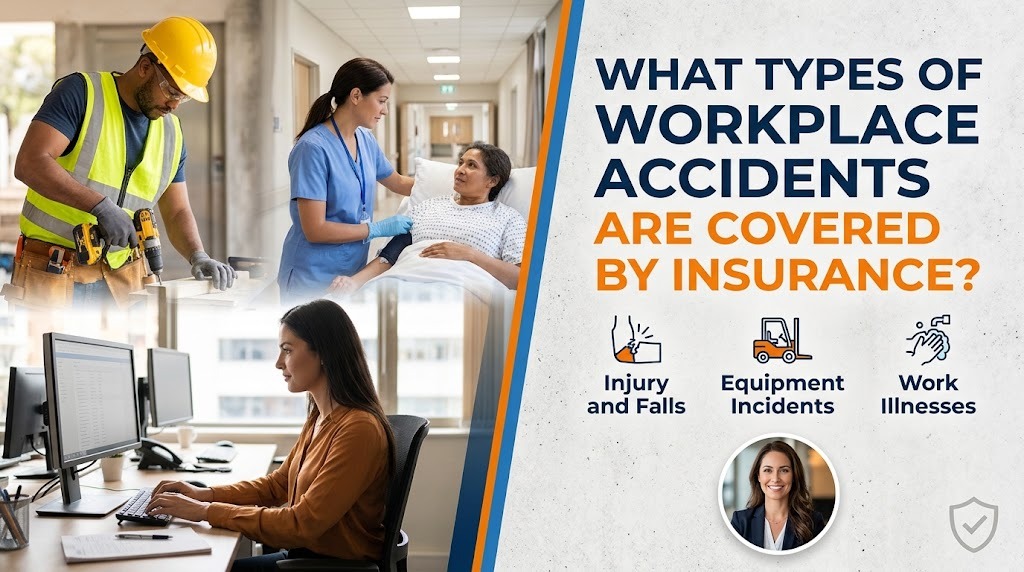
Workplace accidents can occur in many situations, from operating machinery and handling equipment to performing routine office activities. These incidents may cause physical injuries, require medical treatment, or affect an employee's ability to continue working. To reduce the financial consequences, work accident insurance provides protection for eligible employees who experience accidents related to their jobs. However, not every incident automatically qualifies for insurance coverage. Understanding the types of workplace accidents covered by insurance helps workers recognize their protection and know when they may be eligible to submit a claim.
ACCIDENTS THAT OCCUR AT THE WORKPLACE
One of the most common categories covered by work accident insurance involves incidents that happen directly at the workplace. These accidents may occur in factories, construction sites, offices, warehouses, laboratories, or other professional environments. Examples include slipping on a wet floor, falling from a height, being struck by workplace equipment, or experiencing injuries while handling tools. Such incidents may happen because of unsafe conditions, equipment problems, or unexpected situations during working activities.
In Indonesia, the Jaminan Kecelakaan Kerja (JKK) program managed by BPJS Ketenagakerjaan provides protection for eligible participants who experience qualifying work-related accidents. The coverage is determined according to applicable regulations and the relationship between the incident and the employee's work responsibilities. Employees should report workplace accidents promptly so that the employer can complete the necessary documentation. Medical records and accident reports may also be needed during the claim process. Proper reporting helps establish the circumstances of an incident and supports the insurance assessment.
ACCIDENTS DURING WORK-RELATED ACTIVITIES OUTSIDE THE OFFICE
Not all employees perform their responsibilities inside a company building. Some workers need to travel to client locations, attend business meetings, visit project sites, or complete assignments outside their usual workplace. Accidents that occur during authorized work-related activities may qualify for insurance protection, depending on the program's requirements. This is important because occupational responsibilities can involve risks in different locations.
For example, an employee may experience an accident while visiting a project site or carrying out an assignment requested by the company. Workers who perform field inspections, deliveries, or business-related travel may also face occupational risks outside the office. The connection between the activity and the employee's job responsibilities is an important consideration when determining coverage. Employees should document the purpose of their assignment and report any incident to their employer. Work-related activities outside the workplace can be covered when they meet the applicable insurance requirements.
ACCIDENTS DURING THE COMMUTE BETWEEN HOME AND WORK
Some work accident insurance programs also recognize certain accidents that happen while employees travel between their homes and workplaces. Commuting is a regular part of many workers' daily routines, and unexpected incidents may occur during these journeys. Examples include traffic accidents or other qualifying incidents while traveling through the usual route between home and work. This type of protection is important for employees who depend on transportation to reach their workplaces.
Under Indonesia's JKK program, accidents during travel between home and work may receive protection when they meet the applicable conditions. The circumstances of the journey, including its connection to the employee's work schedule and route, may be considered during the assessment. Employees should report commuting accidents and provide relevant information about the incident. Supporting documents, such as accident reports or medical records, may also be required. Workers should check the official program provisions to understand the exact conditions for receiving benefits.
WORK-RELATED OCCUPATIONAL DISEASES
Work accident insurance may also cover certain illnesses that develop because of workplace exposure or occupational activities. These conditions are commonly known as occupational diseases. They may result from repeated exposure to harmful substances, excessive noise, unsuitable working conditions, or other occupational hazards. Unlike sudden accidents, occupational diseases can develop gradually and may not become noticeable immediately.
Examples include certain respiratory conditions caused by workplace exposure, hearing problems associated with prolonged occupational noise, and other illnesses recognized under applicable regulations. The relationship between the illness and the employee's work activities must generally be established through appropriate medical and occupational assessments. Employees should report symptoms and seek professional medical advice when they suspect a work-related health problem. Medical records and workplace exposure information may support the evaluation process. Understanding occupational disease coverage encourages companies and employees to pay greater attention to long-term workplace health risks.
FACTORS THAT DETERMINE WHETHER AN ACCIDENT IS COVERED
Although many incidents can be related to work, insurance coverage depends on specific eligibility requirements. One important factor is whether the employee is registered in the relevant insurance program. Another consideration is the connection between the accident and the worker's occupational responsibilities. The incident must also meet the definitions and conditions established by the applicable insurance regulations.
Documentation plays an important role in determining whether a claim can be approved. Employees may need to provide an accident report, medical records, employment information, and other supporting evidence. Employers also have responsibilities in reporting incidents and providing accurate information about the employee's work activities. The insurance provider reviews these details before determining the benefits that may be available. Understanding coverage requirements helps workers avoid confusion and prepare the necessary information when an accident occurs.
CONCLUSION
Work accident insurance may cover various incidents, including accidents at the workplace, injuries during work-related activities outside the office, qualifying commuting accidents, and recognized occupational diseases. However, coverage depends on the employee's participation status, the relationship between the incident and the job, and the applicable insurance regulations. In Indonesia, the BPJS Ketenagakerjaan JKK program provides occupational accident protection for eligible participants. Employees should report incidents promptly and maintain accurate supporting documents. Understanding the types of workplace accidents covered by insurance helps workers recognize their rights and access appropriate protection.
Recent Posts

Bagaimana Sistem SKS pada Program Kuliah... 22.11.2026/37 View

How Does Technology Make Daily Evaluation... 21.11.2026/70 View

Apa Strategi Menghadapi Kesenjangan antara Kompetensi... 21.11.2026/73 View

Mengapa Inventaris Aset Penting bagi Kelancaran... 21.11.2026/68 View

When Should Musicians Join a Record... 21.11.2026/71 View
