

When Does the State Budget Preparation Process Begin and End?
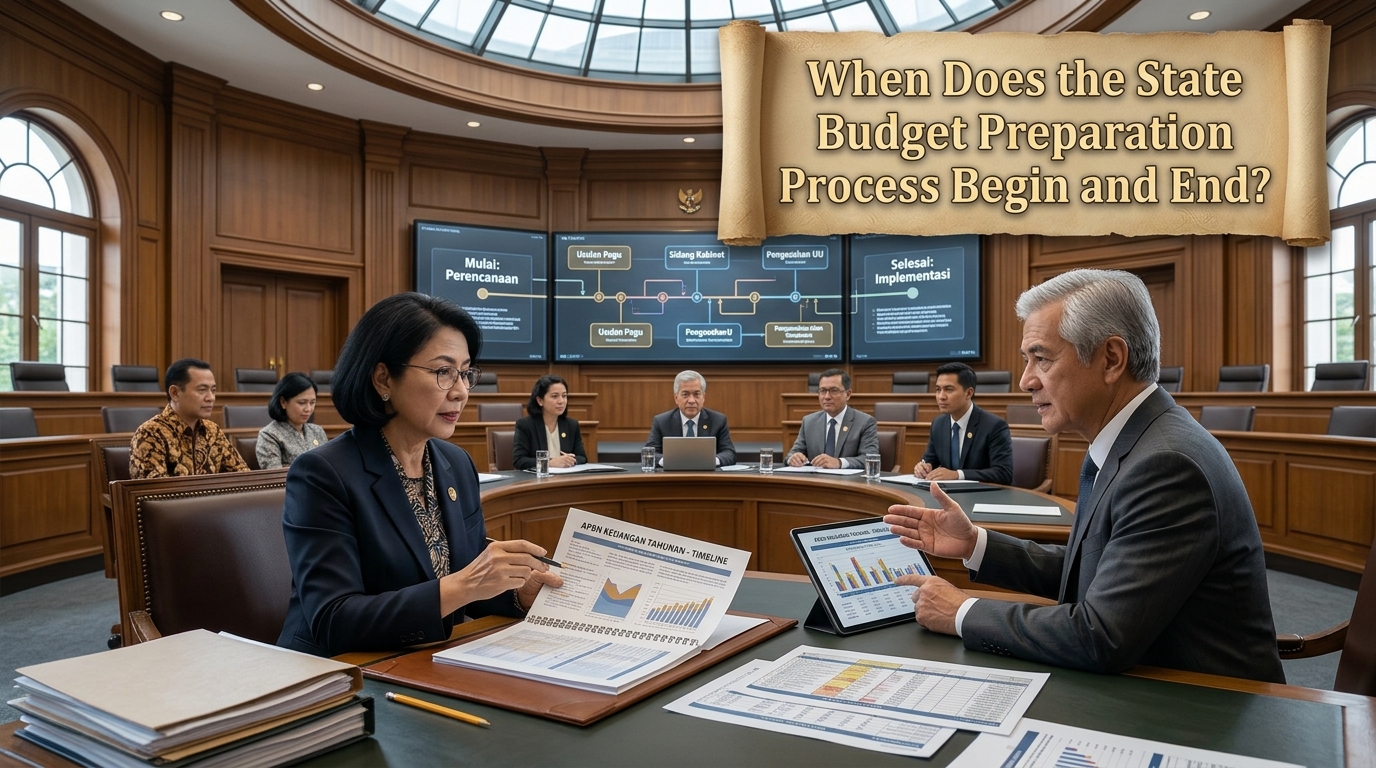
The state budget preparation process is an annual activity that determines how a government plans its revenue, allocates public spending, and finances national development. In Indonesia, this process produces the State Budget (Anggaran Pendapatan dan Belanja Negara or APBN), which funds public services, infrastructure, education, healthcare, and social assistance. The process does not happen in a single month because it involves planning, budget proposals, discussions, approval, and implementation. Each stage follows an established schedule so government institutions can coordinate their financial needs and priorities. Understanding when state budget preparation begins and ends helps explain how public money is planned and managed throughout the year.
WHEN DOES THE STATE BUDGET PREPARATION PROCESS BEGIN?
In Indonesia, preparation of the annual state budget generally begins during the year before the budget is implemented. Government institutions start identifying development priorities and reviewing economic conditions to estimate the country's financial needs. The Ministry of National Development Planning (Bappenas) coordinates the preparation of the Government Work Plan (Rencana Kerja Pemerintah or RKP), while the Ministry of Finance develops fiscal policies and revenue projections. These plans help establish spending priorities and financial limits for ministries and government institutions. Early preparation gives the government enough time to evaluate proposals and coordinate national development objectives.
The government also considers economic growth, inflation, tax revenue, and global economic conditions when preparing its initial financial plans. These factors influence the amount of revenue the state may collect and the resources available for public programs. Ministries and institutions then develop proposed activities and budgets based on national priorities. The proposals undergo reviews and adjustments before being consolidated into the draft state budget. Therefore, the preparation stage begins well before the new fiscal year starts.
WHAT HAPPENS DURING THE MIDDLE STAGES OF BUDGET PREPARATION?
After the initial planning stage, ministries and government institutions prepare detailed budget proposals based on their responsibilities and development targets. The Ministry of Finance and Bappenas review these proposals to ensure that spending plans match national priorities and available resources. The government then consolidates the proposals into the Draft State Budget (Rancangan APBN or RAPBN). This draft includes estimated revenue, planned expenditure, and financing requirements for the upcoming fiscal year. The review process helps identify unnecessary costs and improve the effectiveness of public spending.
The government also evaluates the proposed budget against economic forecasts and fiscal targets. Adjustments may be made when revenue expectations change or certain programs require different funding levels. After the draft is finalized, the President submits it to the House of Representatives (DPR), generally in August before the relevant fiscal year. Lawmakers discuss the proposal with the government, examine spending priorities, and consider whether the allocations address national needs. These discussions are essential for ensuring that the budget receives proper legislative scrutiny before approval.
WHEN IS THE STATE BUDGET APPROVED?
In Indonesia, the draft state budget is generally submitted to the DPR in August of the preceding year. The DPR and the government then discuss the proposed revenue, expenditure, and financing plans. Under Indonesia's state finance framework, the DPR must make its decision on the draft APBN no later than two months before the beginning of the fiscal year. Since the fiscal year starts on January 1, approval is generally required by the end of October. This schedule gives the government time to finalize budget allocations and prepare for implementation.
Once approved, the draft becomes the basis for the State Budget Law for the upcoming year. The government then finalizes detailed allocations for ministries and government institutions, including the preparation of budget implementation documents. These documents authorize institutions to carry out approved programs according to applicable financial regulations. The approval stage therefore marks the end of the main budget preparation and legislative approval process. It also establishes the legal foundation for implementing the budget in the following fiscal year.
WHEN DOES THE STATE BUDGET IMPLEMENTATION PERIOD BEGIN AND END?
Indonesia's state budget implementation period runs from January 1 to December 31 each year. Although preparation and approval take place during the preceding year, government institutions generally begin using their authorized budgets when the new fiscal year starts. During this period, public funds support activities such as infrastructure construction, education services, healthcare programs, and social assistance. The Ministry of Finance monitors revenue collection and government expenditure to assess financial performance. Ministries and institutions must use their allocations according to approved purposes and applicable regulations.
Budget implementation does not mean that all spending must occur immediately at the beginning of January. Government institutions carry out their programs according to operational schedules, procurement requirements, and implementation plans. Some projects may take several months or continue through the end of the fiscal year. Financial monitoring helps identify delays, underspending, and other problems that could affect program results. December 31 marks the end of the fiscal year, although financial reporting, auditing, and accountability activities may continue afterward.
WHAT HAPPENS AFTER THE STATE BUDGET YEAR ENDS?
After the fiscal year ends, the government prepares financial reports comparing actual revenue and expenditure with the approved budget. These reports help explain whether the government achieved its financial targets and how public funds were used. The Audit Board of Indonesia (BPK) examines the government's financial statements in accordance with its constitutional authority. Audit findings can identify weaknesses in financial controls, reporting, or compliance with regulations. This process strengthens transparency and accountability in public financial management.
The government and the DPR also use budget realization information to evaluate financial performance and inform future policy decisions. Successful programs may provide useful examples for the next budget cycle, while ineffective programs may require changes. The findings can also improve revenue estimates and spending priorities for subsequent years. Although the preparation of a particular year's budget ends with its approval, evaluation after implementation helps improve future budget preparation. This creates a continuous cycle of planning, spending, monitoring, and improvement.
WHY IS THE STATE BUDGET TIMELINE IMPORTANT?
A clear budget timeline helps the government coordinate financial planning across ministries and institutions. It gives officials enough time to estimate revenue, assess funding requests, and discuss priorities before the new fiscal year begins. Without a structured schedule, budget approval could be delayed, potentially affecting public programs and government services. A well-organized timeline also allows the DPR to review proposals and exercise its oversight responsibilities. Therefore, timely budget preparation supports more effective government operations.
The timeline is also important for businesses, communities, and citizens who depend on government programs. Infrastructure providers may use budget information to anticipate public projects, while communities can monitor planned spending on local services. Clear deadlines help the public understand when decisions are made and when approved programs are expected to begin. Regular reporting further allows citizens to compare planned allocations with actual government spending. Overall, budget transparency and timely approval help strengthen public confidence and support national development.
CONCLUSION
In Indonesia, the state budget preparation process generally begins during the year before the budget is implemented, with development planning, economic forecasting, and the preparation of spending proposals. The draft APBN is generally submitted to the DPR in August and must be decided upon no later than two months before the fiscal year begins. The main preparation and approval process is completed before implementation starts on January 1. The fiscal year ends on December 31, followed by financial reporting, auditing, and evaluation. Understanding this timeline helps explain how state budget preparation supports responsible financial management and the effective delivery of public services.
Recent Posts

Bagaimana Sistem SKS pada Program Kuliah... 22.11.2026/47 View

How Does Technology Make Daily Evaluation... 21.11.2026/75 View

Apa Strategi Menghadapi Kesenjangan antara Kompetensi... 21.11.2026/76 View

Mengapa Inventaris Aset Penting bagi Kelancaran... 21.11.2026/73 View

When Should Musicians Join a Record... 21.11.2026/77 View
