

When Is Radiotherapy the Best Choice for Fighting Cancer?
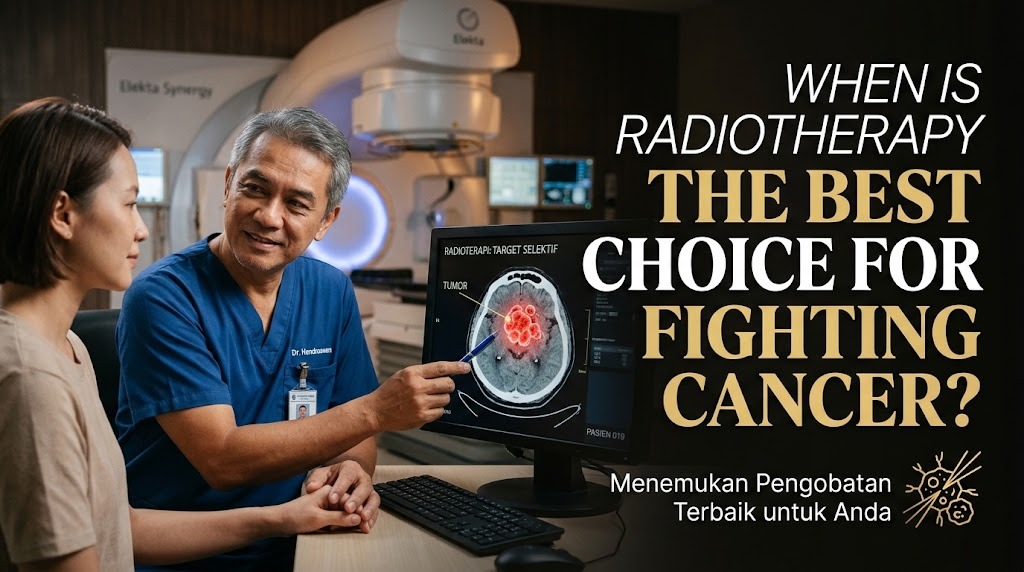
Radiotherapy is a targeted medical treatment that uses high-energy ionizing radiation to kill or shrink cancer cells. The high-energy rays work by directly damaging the DNA inside malignant cells, preventing them from dividing and growing.
Because cancer cells lack the efficient cellular repair mechanisms found in healthy tissues, they are much more susceptible to radiation damage. Oncologists carefully customize treatment plans to deliver maximum energy to the tumor while keeping exposure to surrounding tissue minimal.
LOCALIZED AND SHARPLY DEFINED TUMORS
Radiotherapy is often the primary and most effective option when a cancer is confined to a specific area. Because radiation beams can be focused with extreme precision, doctors can target the tumor without affecting the entire body.
Conditions such as early-stage prostate, cervical, head, and neck cancers often respond exceptionally well to standalone radiotherapy. In many of these localized cases, radiation can achieve complete tumor control without requiring invasive surgery.
COMBINATION TREATMENT WITH SURGERY
Oncologists frequently pair radiotherapy with surgical procedures to maximize the chances of successful treatment. When administered before surgery (neoadjuvant therapy), radiation helps shrink large tumors, making them easier and safer to remove.
When given after surgery (adjuvant therapy), radiotherapy targets and destroys any microscopic cancer cells that might remain behind. This combined strategy significantly reduces the likelihood of local recurrence for conditions like breast cancer and soft tissue sarcomas.
COMBINATION TREATMENT WITH CHEMOTHERAPY
In many moderate to advanced cases, combining radiation with chemotherapy—known as chemoradiation—provides the best therapeutic outcome. Chemotherapy drugs can act as radiosensitizers, making tumor cells even more vulnerable to the damaging effects of radiation beams.
This dual approach is widely considered the standard treatment for locally advanced lung, esophageal, and anal cancers. Utilizing both modalities simultaneously attacks malignant cells through multiple biological mechanisms, increasing overall treatment effectiveness.
WHEN SURGERY IS TOO RISKY
For certain patients, surgical removal of a tumor may carry unacceptably high risks due to underlying health conditions or age. Radiotherapy offers an invaluable, non-invasive alternative that avoids the physical stress of major operation and general anesthesia.
Additionally, if a tumor is located near critical organs or major blood vessels where surgical incision could cause severe damage, radiation allows doctors to safely treat the cancer in place with pinpoint accuracy.
PALLIATIVE CARE AND SYMPTOM RELIEF
When cancer has spread to other parts of the body and a complete cure is no longer possible, radiotherapy serves a vital role in palliative care. Low-dose radiation treatments can effectively shrink tumors that press on nerves, blood vessels, or organs.
This palliative application helps relieve severe pain, internal bleeding, or airway blockages, particularly in patients with bone or brain metastases. By managing critical symptoms, palliative radiotherapy significantly improves a patient's overall comfort and quality of life.
CONCLUSION
In conclusion, radiotherapy is the best choice when treating localized tumors, reducing surgical risks, or enhancing the effectiveness of other cancer treatments. Its ability to destroy cancer DNA with extreme precision makes it an indispensable tool in modern oncology.
Whether used alone, alongside surgery and chemotherapy, or for palliative symptom relief, radiotherapy offers highly adaptable treatment options. Medical teams evaluate each patient's unique diagnosis to determine the safest and most effective cancer care plan.
Recent Posts

Bagaimana Sistem SKS pada Program Kuliah... 22.11.2026/53 View

How Does Technology Make Daily Evaluation... 21.11.2026/82 View

Apa Strategi Menghadapi Kesenjangan antara Kompetensi... 21.11.2026/81 View

Mengapa Inventaris Aset Penting bagi Kelancaran... 21.11.2026/77 View

When Should Musicians Join a Record... 21.11.2026/82 View
