

When Should Communities Evacuate Before a Disaster Strikes?
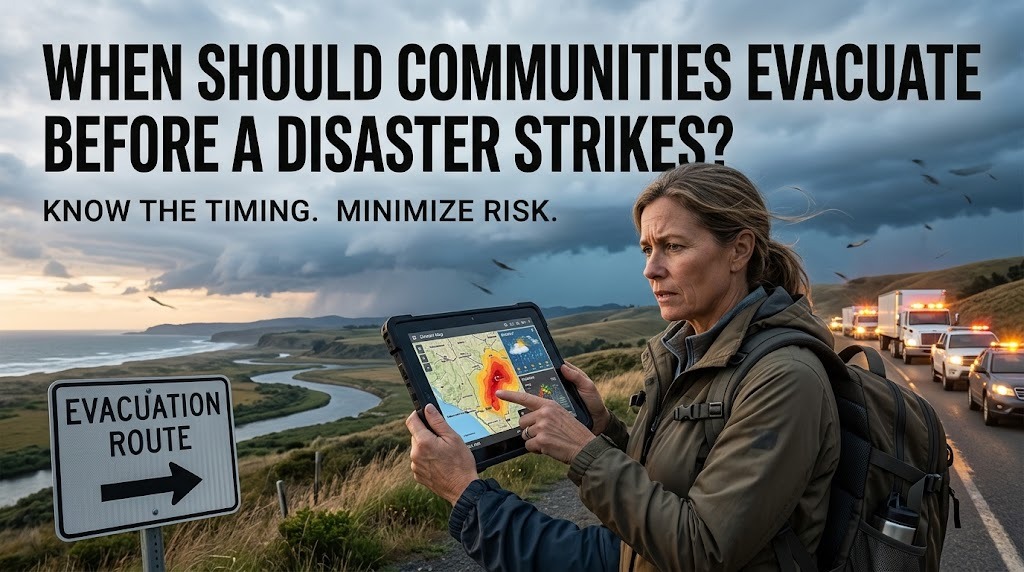
Evacuation is an important safety measure that helps people move away from dangerous areas before a disaster causes serious harm. Natural disasters such as floods, tsunamis, volcanic eruptions, landslides, and tropical storms can develop quickly and threaten entire communities. Knowing when to evacuate allows residents to reach safer locations before roads become inaccessible or conditions become life-threatening.
However, evacuation decisions should not depend only on visible signs of danger. Communities also need to understand official warnings, local hazard conditions, and emergency instructions from authorities. Preparing evacuation plans in advance can reduce confusion and help protect lives when a disaster is approaching.
WHEN AUTHORITIES ISSUE EVACUATION ORDERS
Communities should evacuate immediately when authorized agencies issue an official evacuation order. These instructions are based on information from disaster monitoring centers, weather services, and local emergency management authorities.
An evacuation order indicates that remaining in a particular area may expose residents to significant danger. People should follow the designated routes and move toward the recommended safe locations without unnecessary delays. Waiting until the disaster becomes visible can reduce the time available to reach safety.
BEFORE FLOODWATERS REACH RESIDENTIAL AREAS
Communities living near rivers, lakes, and flood-prone lowlands should prepare to evacuate when authorities warn of potentially dangerous water levels. Heavy rainfall, overflowing rivers, and damaged drainage systems can cause flooding that spreads into residential areas.
Residents should pay attention to rising water levels, official flood alerts, and information about nearby dams or waterways when relevant. Evacuation should begin before roads become submerged or strong currents make movement dangerous. People should never attempt to walk or drive through floodwater when its depth and current cannot be safely assessed.
WHEN TSUNAMI WARNINGS ARE ISSUED
Coastal communities should evacuate immediately when an official tsunami warning applies to their area. A strong or long earthquake near the coast can also be a natural warning sign of a possible tsunami.
Residents should move away from beaches and shorelines toward higher ground or designated vertical evacuation buildings. They should not wait to see whether the ocean level changes or waves appear. People should remain in safe locations until authorities officially announce that the danger has passed.
BEFORE VOLCANIC ERUPTIONS BECOME DANGEROUS
Communities near active volcanoes should follow evacuation instructions based on volcanic activity and official hazard assessments. Increased seismic activity, ground deformation, rising gas emissions, and other changes may indicate that volcanic activity is intensifying.
Authorities may establish danger zones and evacuation boundaries according to the potential impacts of an eruption. Residents within restricted areas should leave when instructed, especially when there is a threat from lava flows, pyroclastic flows, volcanic ash, or other hazardous materials. People should avoid returning until officials confirm that the area is safe.
WHEN LANDSLIDE RISKS INCREASE
People living near steep slopes, hillsides, and unstable ground should consider evacuation when authorities identify dangerous conditions. Continuous heavy rainfall can increase the likelihood of landslides, particularly in areas with weak soil, damaged vegetation, or poor drainage.
Warning signs may include cracks in the ground, leaning trees, unusual water seepage, and small movements along slopes. If these signs appear, residents should move away from the affected area and report the situation to local authorities. They should not wait for a large section of soil to collapse before seeking safety.
BEFORE TROPICAL STORMS AND EXTREME WEATHER ARRIVE
Communities in areas exposed to tropical storms, strong winds, and coastal flooding should evacuate when official warnings indicate that staying could become dangerous. Authorities may recommend evacuation for residents in coastal zones, low-lying settlements, or buildings that cannot withstand expected weather conditions.
Residents should monitor weather forecasts and emergency announcements to understand the timing and possible impact of the approaching storm. Leaving early can help prevent congestion on roads and reduce the risk of becoming trapped by fallen trees, flooding, or damaged infrastructure.
WHEN BUILDINGS OR INFRASTRUCTURE BECOME UNSAFE
Evacuation may also be necessary when buildings, bridges, roads, or other infrastructure show signs of serious damage. Earthquakes, heavy rainfall, strong winds, and ground movement can weaken structures and make surrounding areas dangerous.
Residents should leave buildings that appear unstable or have been declared unsafe by qualified authorities. They should also avoid damaged roads, bridges, and utility facilities. Returning to affected structures should only happen after appropriate safety inspections.
CONSIDERING VULNERABLE COMMUNITY MEMBERS
Evacuation planning should consider the needs of children, older adults, pregnant women, people with disabilities, and residents who require medical assistance. These groups may need additional time, transportation, or support to reach safe locations.
Communities should identify residents who may require assistance before an emergency occurs. Local volunteers and emergency response teams can help arrange transportation, prepare accessible evacuation routes, and provide support during movement. Early evacuation is especially important when residents need additional time to leave dangerous areas.
WHY EARLY EVACUATION IS IMPORTANT
Evacuating early gives residents more time to reach safe locations before conditions become difficult. It can reduce traffic congestion, prevent people from becoming trapped, and make it easier for emergency teams to coordinate rescue operations.
Early evacuation also allows residents to bring essential supplies, important documents, medicines, and emergency communication devices. More importantly, it reduces the pressure on rescue teams because fewer people may need to be removed from dangerous locations after the disaster begins.
HOW COMMUNITIES CAN PREPARE FOR EVACUATION
Communities should develop evacuation plans before disasters occur. These plans need to identify hazard-prone areas, safe destinations, alternative routes, and emergency communication methods.
Residents should prepare emergency bags containing drinking water, food, medicines, flashlights, batteries, important documents, and basic first-aid supplies. Regular evacuation drills can also help people understand their responsibilities and become familiar with designated routes. Local authorities should update these plans when settlement conditions, infrastructure, or disaster risks change.
CONCLUSION
Communities should evacuate before a disaster strikes when official warnings, natural warning signs, or dangerous environmental conditions indicate a serious threat. The appropriate timing depends on the type of disaster, local geography, available evacuation routes, and instructions from emergency authorities.
Preparing in advance and responding quickly can prevent unnecessary injuries and save lives. By understanding warning signals, supporting vulnerable residents, and following evacuation plans, communities can become better prepared to face natural disasters.
Recent Posts

Bagaimana Sistem SKS pada Program Kuliah... 22.11.2026/37 View

How Does Technology Make Daily Evaluation... 21.11.2026/70 View

Apa Strategi Menghadapi Kesenjangan antara Kompetensi... 21.11.2026/73 View

Mengapa Inventaris Aset Penting bagi Kelancaran... 21.11.2026/68 View

When Should Musicians Join a Record... 21.11.2026/71 View
