

When Should Concentration Problems Receive Professional Treatment?
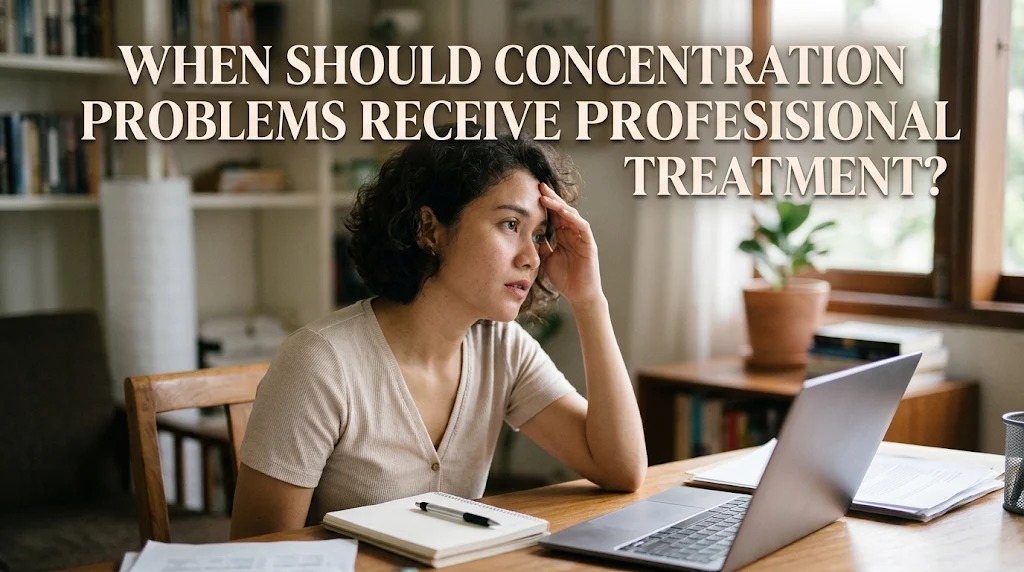
Concentration problems can happen to anyone, especially when experiencing stress, fatigue, lack of sleep, or a busy daily schedule. Occasional difficulty focusing is generally normal and does not always indicate a serious health problem. However, when concentration difficulties happen frequently, last for a long time, or interfere with everyday activities, professional treatment may be necessary.
Recognizing when to seek professional help is important to prevent concentration problems from becoming more disruptive. Understanding the possible causes and warning signs can help individuals choose the right treatment and improve their quality of life.
WHEN CONCENTRATION PROBLEMS BECOME A SERIOUS CONCERN
Concentration problems should receive attention when they occur frequently and make everyday responsibilities difficult to complete. For example, someone may struggle to follow conversations, remember instructions, finish assignments, or stay focused during work. These difficulties can affect academic performance, professional productivity, and personal relationships.
Occasional distraction is usually not a major concern. However, persistent problems that do not improve despite adequate rest and lifestyle changes may require professional evaluation. Paying attention to how often concentration difficulties occur and how much they affect daily activities can help determine whether further support is needed.
WARNING SIGNS THAT REQUIRE PROFESSIONAL HELP
Several warning signs may indicate that concentration problems need professional attention. These include frequently forgetting important information, struggling to complete simple tasks, experiencing significant mental confusion, and having difficulty making everyday decisions. People may also notice that their attention becomes increasingly difficult to control.
Another important sign is when concentration difficulties occur alongside emotional or behavioral changes. Persistent anxiety, depression, excessive irritability, and major sleep disturbances may contribute to problems with attention. If these symptoms continue or become worse, consulting a qualified healthcare professional can help identify the underlying causes.
HEALTH CONDITIONS THAT CAN CAUSE CONCENTRATION PROBLEMS
Concentration difficulties can be associated with several physical and mental health conditions. Mental health conditions such as depression and anxiety may affect attention, memory, motivation, and information processing. Attention-deficit hyperactivity disorder (ADHD) can also cause persistent difficulties with attention, organization, and impulse control.
Physical health problems may also contribute to reduced concentration. Sleep disorders, thyroid problems, nutritional deficiencies, medication side effects, and certain neurological conditions can affect brain function. Because different conditions can produce similar symptoms, professional assessment is important to identify the actual cause rather than making assumptions based on concentration difficulties alone.
WHICH PROFESSIONALS CAN HELP WITH CONCENTRATION PROBLEMS
People experiencing persistent concentration difficulties can begin by consulting a general practitioner or primary care doctor. A doctor can review medical history, discuss symptoms, evaluate possible physical causes, and recommend further examinations when necessary. This initial assessment helps determine whether the problem is related to sleep, medication, physical health, or another condition.
Depending on the findings, individuals may be referred to a psychologist, psychiatrist, neurologist, or other specialist. Psychologists can provide psychological assessments and therapies to help manage emotional difficulties and improve coping strategies. Psychiatrists can evaluate mental health conditions and prescribe medication when appropriate, while neurologists can assess suspected problems involving the nervous system.
TREATMENT OPTIONS AND WHEN TO SEEK IMMEDIATE HELP
Treatment for concentration problems depends on the underlying cause. Some people may benefit from improving their sleep schedule, managing stress, exercising regularly, and developing better daily routines. Others may require psychological therapy, medical treatment, or medication when a diagnosed condition contributes to their difficulties.
Professional treatment should not be delayed when concentration problems significantly interfere with education, work, relationships, or personal responsibilities. Sudden confusion, especially when accompanied by difficulty speaking, severe headache, weakness, or changes in consciousness, requires immediate medical attention because it may indicate a serious medical emergency. Similarly, anyone experiencing thoughts of self-harm or suicide should seek urgent professional support.
CONCLUSION
Concentration problems should receive professional treatment when they persist, become increasingly disruptive, or occur alongside other physical or mental health symptoms. Although occasional difficulty focusing is normal, ongoing problems may indicate an underlying condition that requires proper evaluation. Consulting a qualified healthcare professional can help identify the cause and determine the most appropriate treatment. Early attention and proper support can improve concentration, daily functioning, and overall well-being.
Recent Posts

How Does Technology Make Daily Evaluation... 21.11.2026/63 View

Apa Strategi Menghadapi Kesenjangan antara Kompetensi... 21.11.2026/64 View

Mengapa Inventaris Aset Penting bagi Kelancaran... 21.11.2026/60 View

When Should Musicians Join a Record... 21.11.2026/59 View

Daily Evaluation or Daily Planning Which... 21.11.2026/67 View
