

Where Can People Find Information About Government Subsidies?
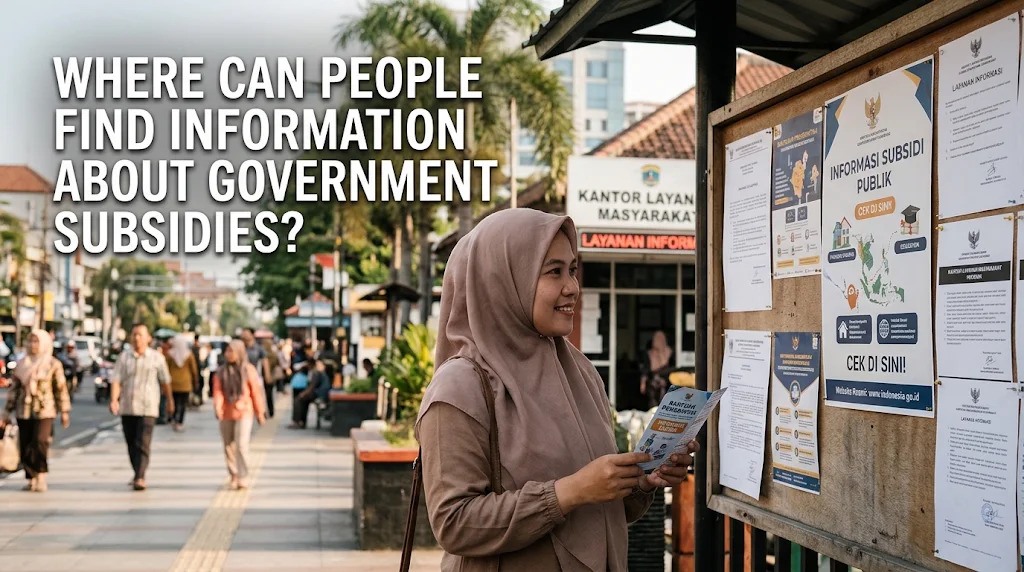
Government subsidies provide important support to communities by helping reduce the cost of essential goods, services, and economic activities. However, many people do not know where to find accurate information about available subsidy programs, eligibility requirements, registration procedures, and distribution schedules. Access to reliable information is essential because each program may have different rules and target beneficiaries. By using official information sources, people can better understand their rights and avoid misinformation.
In Indonesia, information about government subsidies is available through several channels, including ministry websites, government agencies, local administrative offices, and authorized service providers. Each institution is responsible for communicating information related to specific programs. Understanding where to look can make it easier for individuals and families to identify suitable assistance and follow the correct procedures.
OFFICIAL GOVERNMENT WEBSITES
Official government websites are among the most reliable sources of information about subsidy programs. Ministries and government agencies regularly publish announcements about program policies, eligibility conditions, registration procedures, and distribution mechanisms. These websites can help people understand whether a subsidy is still available and what requirements must be fulfilled. They may also provide downloadable documents, frequently asked questions, and contact information for further assistance.
In Indonesia, people can visit the websites of relevant institutions depending on the type of subsidy they want to understand. Information about energy subsidies, for example, can be obtained from the Ministry of Energy and Mineral Resources. Agricultural subsidy information can be found through the Ministry of Agriculture, while education-related assistance is generally communicated through the institutions responsible for educational programs. People should always check that a website belongs to an official government institution before trusting the information.
MINISTRIES AND GOVERNMENT AGENCIES
Different ministries and government agencies manage subsidy policies according to their respective responsibilities. These institutions provide information about program objectives, beneficiary criteria, budget policies, and implementation procedures. Contacting the responsible agency can help people obtain more specific explanations than relying on general information found online. It is especially useful when someone needs clarification about complicated eligibility conditions or administrative requirements.
For example, the Ministry of Social Affairs provides information related to social welfare programs, while energy and agricultural authorities handle policies within their respective sectors. Other government institutions may also participate in implementing subsidies or verifying beneficiary information. People should identify the agency responsible for a particular program before making inquiries. This approach helps ensure that questions are directed to the appropriate institution.
LOCAL GOVERNMENT OFFICES AND COMMUNITY AUTHORITIES
Local government offices are also important sources of information about subsidy programs. Village and subdistrict offices can help residents understand local registration procedures, beneficiary verification, and administrative requirements. These offices may also communicate government announcements to communities that have limited access to digital information. For people who are unfamiliar with online services, asking local officials can be a practical way to obtain guidance.
In addition, local authorities may help residents understand how to correct personal information or report problems related to beneficiary records. Some subsidy programs require information to be verified through local administrative systems or authorized institutions. Residents should bring relevant identification documents when requesting assistance. However, they should still confirm important program rules through the official agency responsible for the subsidy.
AUTHORIZED DIGITAL PLATFORMS AND SERVICE PROVIDERS
Digital platforms can make information about government subsidies easier to access. Some government programs use online systems to provide registration services, verify beneficiary information, or communicate application results. These platforms allow people to obtain information without always visiting government offices in person. Nevertheless, the available features and procedures depend on the specific program.
Authorized service providers can also explain how certain subsidies work. For example, electricity customers can seek information through official electricity service channels, while eligible fuel consumers can consult authorized fuel distribution providers about applicable requirements. People should use verified applications, websites, or customer service contacts rather than unfamiliar links shared through social media. Protecting personal information is important when accessing any digital subsidy service.
NEWS MEDIA AND OFFICIAL GOVERNMENT ANNOUNCEMENTS
News media can help people stay informed about new subsidy policies, government budget decisions, and changes in distribution procedures. Newspapers, television channels, and reputable online news platforms often report important announcements from government institutions. These reports can provide useful context about how subsidy policies may affect households, businesses, and the wider economy. However, news articles should be treated as additional information rather than a replacement for official regulations.
People should compare important information from news reports with announcements published by the responsible government agency. This is particularly important when information concerns registration deadlines, changes in eligibility requirements, or adjustments to subsidy distribution. Social media posts should also be checked carefully because outdated or misleading information can spread quickly. Relying on verified sources helps people make better decisions and understand government subsidies accurately.
CONCLUSION
People can find information about government subsidies through official government websites, responsible ministries, local government offices, authorized digital platforms, service providers, and reliable news media. Each source provides different types of information, from eligibility requirements to registration procedures and distribution schedules. To avoid misinformation, people should prioritize official government announcements and verify important details directly with the responsible institution. Access to accurate information helps eligible communities understand and use available government support.
Recent Posts

Bagaimana Sistem SKS pada Program Kuliah... 22.11.2026/27 View

How Does Technology Make Daily Evaluation... 21.11.2026/65 View

Apa Strategi Menghadapi Kesenjangan antara Kompetensi... 21.11.2026/65 View

Mengapa Inventaris Aset Penting bagi Kelancaran... 21.11.2026/62 View

When Should Musicians Join a Record... 21.11.2026/63 View
