

Which Skills Should You Master to Stay Competitive in the Job Market?
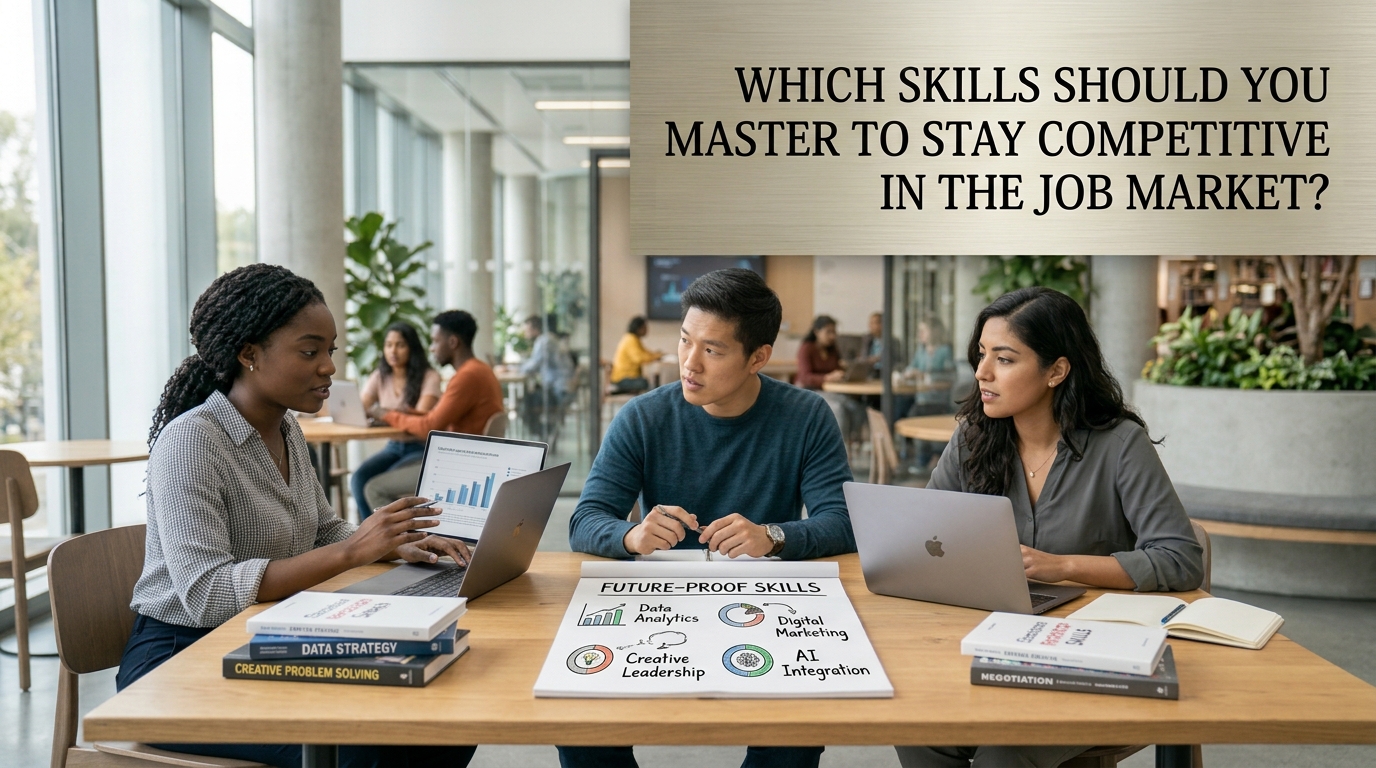
The job market continues to change as technology develops, industries grow, and employers face new challenges. Today, having a university degree or academic qualifications is important, but it may not be enough to secure long-term career success. Companies increasingly seek candidates who have practical abilities, strong communication, and the flexibility to adapt to different working environments.
To remain competitive, students, graduates, and professionals need to develop skills that match current industry demands. These abilities can help individuals perform their responsibilities effectively, solve workplace problems, and respond to professional changes. Understanding which skills deserve attention is an important step toward building a successful career.
1. COMMUNICATION SKILLS
Communication skills are essential in almost every profession because employees need to exchange information, explain ideas, and understand instructions. Clear communication helps prevent misunderstandings and creates better relationships between colleagues, managers, and clients. Professionals must also know how to listen carefully and respond appropriately during discussions.
Written communication is equally important, especially when preparing reports, sending emails, and sharing information through digital platforms. Developing presentation and public speaking abilities can also help individuals express their ideas with greater confidence. Strong communication skills make it easier to collaborate and contribute to organizational goals.
2. DIGITAL AND TECHNOLOGY SKILLS
Technology has become an important part of modern workplaces, making digital literacy a valuable professional ability. Employees are expected to understand common digital tools, manage information, and use technology to complete tasks efficiently. Knowledge of office applications, online collaboration platforms, and digital communication systems can improve daily productivity.
Professionals can also develop more specialized abilities such as programming, data analysis, artificial intelligence, and cybersecurity. The most relevant skills depend on their career interests and industry requirements. Continuous technology learning helps workers adapt to new systems and remain prepared for changes in the digital workplace.
3. CRITICAL THINKING AND PROBLEM-SOLVING
Employers value individuals who can analyze situations and find practical solutions instead of waiting for instructions all the time. Critical thinking allows professionals to evaluate information, recognize potential risks, and make decisions based on reliable evidence. These abilities are especially useful when handling complex tasks or unexpected workplace challenges.
Problem-solving also requires creativity and logical reasoning. Employees should learn to identify the main causes of an issue before deciding which solution is most appropriate. By practicing these abilities, individuals can become more independent and contribute to better workplace performance.
4. LEADERSHIP AND TEAMWORK
Leadership is not limited to managers or people with senior positions. Employees at different career levels can demonstrate leadership by taking initiative, supporting colleagues, and accepting responsibility for their work. These behaviors help build trust and create a more productive working environment.
Teamwork is equally important because many professional responsibilities require cooperation between individuals with different abilities. Employees need to respect different opinions, share responsibilities, and work toward common objectives. Leadership and collaboration skills can help professionals become reliable team members and prepare them for greater responsibilities.
5. ADAPTABILITY AND FLEXIBILITY
The modern job market is constantly changing due to technological developments, economic conditions, and new business requirements. Professionals must be willing to learn new methods, adjust to different responsibilities, and respond positively to unexpected situations. Adaptability helps individuals remain productive even when familiar working processes change.
Flexibility also involves being open to feedback and considering different approaches to completing tasks. Employees who are willing to improve themselves may find it easier to handle new challenges. Adaptability and continuous learning are valuable foundations for maintaining career development in a changing professional environment.
6. DATA ANALYSIS AND ANALYTICAL THINKING
Many organizations use data to understand business performance, evaluate customer behavior, and plan future strategies. Employees who can interpret information and identify useful patterns can support more accurate decision-making. This makes data analysis skills valuable across industries such as finance, marketing, healthcare, education, and technology.
Individuals can begin developing these abilities by learning spreadsheet applications, basic statistics, and data visualization. More advanced tools such as SQL, Python, and Power BI can be explored according to their professional goals. The ability to turn information into meaningful insights can provide an advantage in many career fields.
7. FOREIGN LANGUAGE AND CROSS-CULTURAL COMMUNICATION
Foreign language skills can create additional opportunities in an increasingly connected global economy. Many organizations communicate with international customers, suppliers, and business partners. Employees who understand other languages may find it easier to participate in international projects and professional discussions.
Learning another language also improves awareness of different cultures and communication styles. This understanding helps professionals work respectfully with people from various backgrounds. English proficiency, in particular, can be useful in many international business environments, although the most relevant language depends on the industry and target market.
8. TIME MANAGEMENT AND PROFESSIONAL DISCIPLINE
Time management helps professionals organize responsibilities, prioritize important tasks, and complete assignments according to deadlines. Without proper planning, employees may struggle with excessive workloads and reduced productivity. Learning to create schedules and set realistic priorities can make daily activities more manageable.
Professional discipline also involves being punctual, maintaining consistent performance, and taking responsibility for assigned work. Employees should understand the importance of balancing productivity with sufficient rest to maintain their performance. These habits demonstrate reliability and help build a positive professional reputation.
9. CREATIVITY AND INNOVATION
Creativity is valuable because organizations need new ideas to improve products, services, and working processes. Creative professionals can approach challenges from different perspectives and identify opportunities that others may overlook. This ability is useful not only in creative industries but also in business, education, technology, and management.
Innovation involves turning useful ideas into practical improvements. Employees can develop creativity by exploring new knowledge, participating in discussions, and experimenting with different approaches. Creative thinking and innovation help organizations respond to changing customer needs and remain competitive.
10. HOW TO DEVELOP SKILLS FOR CAREER SUCCESS
Mastering professional skills requires consistent effort and a clear learning plan. Individuals should begin by identifying their career goals and understanding the abilities commonly required in their preferred industries. They can then choose relevant courses, attend training programs, and practice through internships or professional projects.
Building a portfolio and requesting feedback from experienced people can also help measure progress. Students can gain experience through campus organizations, competitions, volunteering, and independent projects. Continuous skill development allows individuals to improve their professional abilities and demonstrate their value to potential employers.
CONCLUSION
Staying competitive in the job market requires more than academic qualifications. Communication, digital literacy, critical thinking, leadership, adaptability, data analysis, and time management are among the important skills that help individuals succeed in modern workplaces.
However, not everyone needs to master every skill at the same level. The best approach is to prioritize abilities that match personal career goals and industry demands while remaining open to learning new things. By combining technical expertise, interpersonal abilities, and continuous self-development, students and professionals can improve their employability and prepare for long-term career success.
Recent Posts

Bagaimana Sistem SKS pada Program Kuliah... 22.11.2026/40 View

How Does Technology Make Daily Evaluation... 21.11.2026/71 View

Apa Strategi Menghadapi Kesenjangan antara Kompetensi... 21.11.2026/73 View

Mengapa Inventaris Aset Penting bagi Kelancaran... 21.11.2026/69 View

When Should Musicians Join a Record... 21.11.2026/73 View
