

Who Can Access a University Academic Portal?
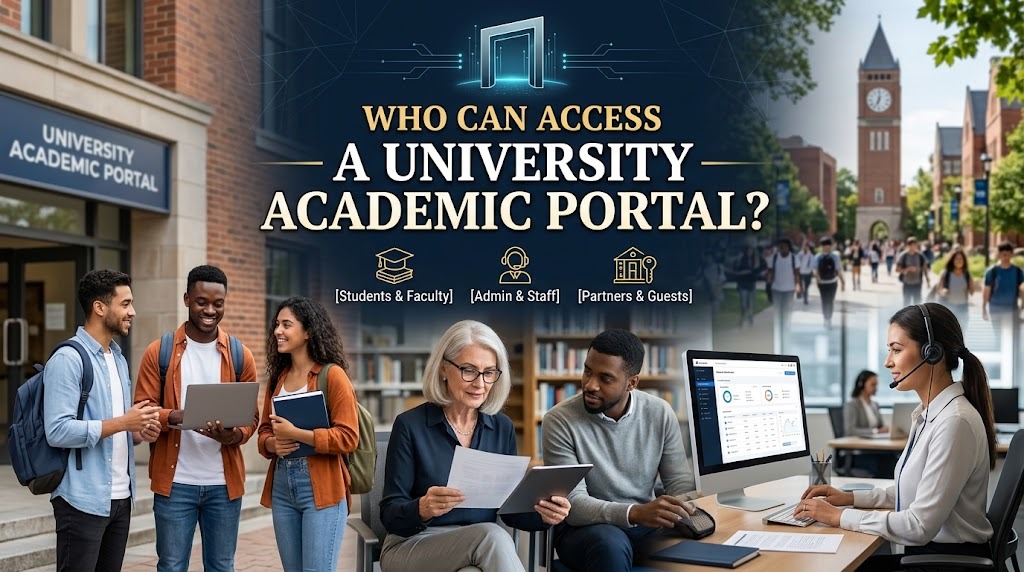
A university academic portal is a digital platform that provides access to academic information and services. Through this system, users may check class schedules, review grades, manage course registration, access learning materials, and receive official announcements. However, not everyone can access every feature because universities typically assign permissions according to each user's role and responsibilities.
Understanding who can access an academic portal helps students, lecturers, and university staff use the system appropriately. Access generally depends on account authorization, institutional policies, and the services available through the platform. Universities also need to protect academic records and personal information by ensuring that users can only access data they are permitted to view.
STUDENTS ENROLLED AT THE UNIVERSITY
Enrolled students are among the primary users of a university academic portal. They usually receive individual accounts that allow them to access information related to their studies, such as registered courses, class schedules, grades, academic calendars, and university announcements.
The available features may differ depending on the student's academic status and the university's policies. For example, some services may only be available during specific registration periods, while certain records may require additional verification. Students should use their own accounts and report access problems through official university channels rather than attempting to access another student's information.
LECTURERS AND ACADEMIC INSTRUCTORS
Lecturers may also access the academic portal to support their teaching responsibilities. Depending on the system, they can view teaching schedules, access course information, upload learning materials, submit grades, or review relevant student records.
These permissions allow lecturers to manage academic activities and communicate important information to students. However, access to student data should be limited to information needed for legitimate academic responsibilities. Universities may assign different permissions to lecturers based on their courses, departments, and assigned duties to help protect confidential information.
UNIVERSITY ADMINISTRATORS AND ACADEMIC STAFF
University administrators and academic staff often require access to additional portal features to manage student records and administrative procedures. Their responsibilities may include processing course registration, maintaining enrollment information, verifying academic documents, and supporting other university services.
The level of access generally depends on each employee's position and responsibilities. For example, staff responsible for student records may need different permissions from employees who manage financial administration or technical support. Using role-based access controls can help universities ensure that employees only access the information necessary for their work.
AUTHORIZED UNIVERSITY LEADERS AND DEPARTMENT HEADS
Certain university leaders, faculty administrators, department heads, and academic advisers may receive access to selected portal functions. These users may need academic information to monitor student progress, coordinate educational activities, review reports, or support institutional planning.
Their access should follow the university's internal policies and data protection requirements. Not every leadership role automatically provides unrestricted access to all student information. Permissions should be based on legitimate responsibilities, with appropriate safeguards to prevent unauthorized viewing, sharing, or modification of academic records.
AUTHORIZED EXTERNAL USERS AND TECHNICAL SUPPORT PERSONNEL
Some universities allow limited portal access to external users when a specific service requires it. For example, applicants may use a separate admissions portal, while authorized partner organizations may receive access to particular services under institutional agreements. Technical support personnel may also require controlled access to troubleshoot system problems.
However, external access is not automatically granted simply because someone has a connection to the university. Universities should establish clear authorization procedures, verify user identities, and limit access to the information required for a specific purpose. Students and staff should also avoid sharing their login credentials with outside parties, even when those parties claim to provide technical assistance.
CONCLUSION
A university academic portal can be accessed by several groups, including enrolled students, lecturers, academic staff, authorized university leaders, and certain approved external users. Each group receives access according to its responsibilities, the portal's features, and the institution's security policies.
The most important principle is that academic portal access must be authorized and appropriately restricted. Universities need to protect student records, maintain accurate permissions, and review access when users change roles or leave the institution. By following these rules, universities can provide useful digital services while maintaining the privacy and security of academic information.
Recent Posts

Bagaimana Sistem SKS pada Program Kuliah... 22.11.2026/57 View

How Does Technology Make Daily Evaluation... 21.11.2026/86 View

Apa Strategi Menghadapi Kesenjangan antara Kompetensi... 21.11.2026/84 View

Mengapa Inventaris Aset Penting bagi Kelancaran... 21.11.2026/82 View

When Should Musicians Join a Record... 21.11.2026/86 View
