

Who Is Eligible for Free Health Checkup Programs?
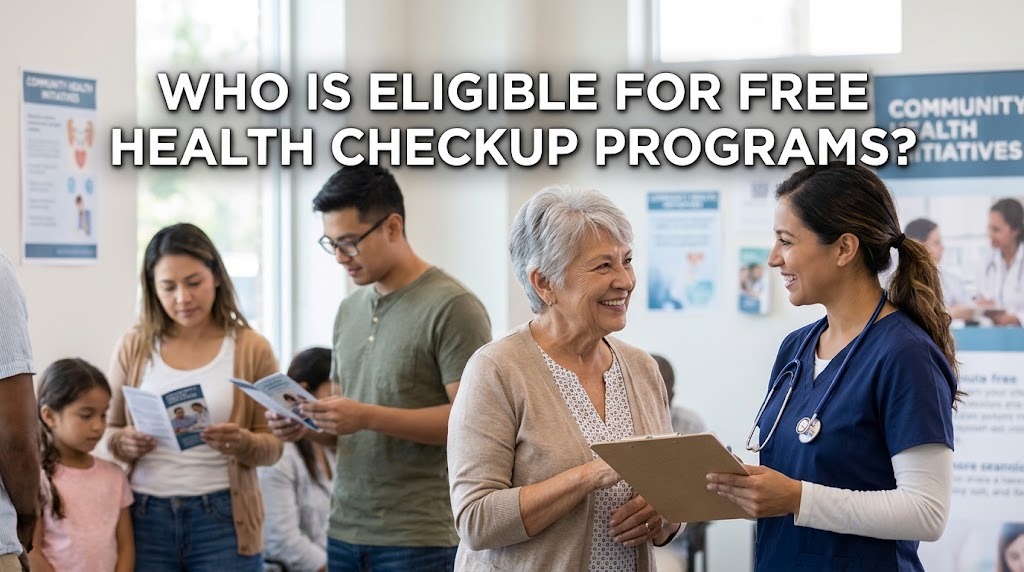
Free health checkup programs provide an opportunity for people to monitor their health without having to pay for routine medical examinations. These programs are designed to help individuals understand their health conditions, identify potential health risks, and detect diseases at an early stage. However, eligibility requirements may vary depending on the country, government policies, healthcare providers, and the type of program available.
Many people wonder whether they can participate in free health checkups and what requirements they need to meet. Some programs are available to everyone, while others prioritize specific age groups or individuals with particular health risks. Understanding these requirements can help people access available healthcare services and take better care of their health.
WHAT ARE FREE HEALTH CHECKUP PROGRAMS?
Free health checkup programs are healthcare services that allow eligible individuals to receive basic medical examinations without paying the examination costs. These programs are commonly provided by governments, public health institutions, community health centers, and other healthcare organizations. Their main purpose is to encourage preventive healthcare rather than waiting until someone develops serious symptoms.
Depending on the program, examinations may include blood pressure measurements, blood sugar tests, cholesterol checks, body weight assessments, and other basic health screenings. Some programs also provide consultations with healthcare professionals to explain examination results and recommend appropriate follow-up care. The available services depend on the program's objectives and funding.
Free health checkups are important because many health conditions do not produce noticeable symptoms during their early stages. Regular examinations can help identify potential problems before they become more serious. By making preventive healthcare more accessible, these programs encourage people to become more aware of their physical condition.
WHO IS GENERALLY ELIGIBLE FOR FREE HEALTH CHECKUP PROGRAMS?
Eligibility for free health checkup programs depends on the rules established by the organization providing the service. In many public healthcare programs, citizens and residents who meet certain administrative requirements can participate. Some programs are designed for specific communities, while others are available to a wider population.
Children, teenagers, adults, and older people may all qualify for different types of health screening services. However, the examinations offered to each age group can differ because their health needs are not the same. For example, children may receive growth and development assessments, while adults may be offered screenings for diabetes and high blood pressure.
People who want to participate should check the eligibility information provided by their local health authorities or healthcare facilities. They may need to present identification documents or other administrative information during registration. Checking these requirements beforehand can make the registration process easier.
CHILDREN AND TEENAGERS
Children and teenagers may qualify for free health checkup programs, especially those organized through schools, community health centers, or government healthcare services. These examinations help monitor physical growth, nutritional conditions, and general development. Early health assessments are important because childhood is a critical period for physical and mental development.
Depending on the program, children may receive measurements of height, weight, and nutritional status. Healthcare professionals may also check vision, dental health, and other aspects of physical development. These examinations can help identify potential health problems that require further attention.
Teenagers may also benefit from health screenings that focus on nutritional health, physical development, and general well-being. Some programs provide education about healthy eating, physical activity, and disease prevention. However, eligibility and examination services depend on local healthcare policies and the age requirements established by each program.
ADULTS AND WORKING-AGE INDIVIDUALS
Adults are among the main groups that can benefit from free health checkup programs. Many adults have busy schedules and may not regularly visit healthcare facilities unless they experience symptoms. Free screening services can encourage them to monitor their health without worrying about the cost of basic examinations.
Common health assessments for adults include blood pressure measurements, blood glucose tests, cholesterol screening, and body mass index calculations. These examinations can help identify risk factors associated with conditions such as diabetes, cardiovascular disease, and obesity. Healthcare professionals may recommend additional tests if the initial results indicate potential health concerns.
Working-age individuals may also qualify for health checkups through workplace health programs, public health initiatives, or community medical services. Some employers cooperate with healthcare providers to offer routine examinations to their employees. These programs can support employee well-being and help identify health problems that could affect daily activities.
OLDER ADULTS AND SENIOR CITIZENS
Older adults are often prioritized in preventive healthcare programs because the risk of developing certain health conditions generally increases with age. Regular examinations can help monitor changes in physical health and identify diseases that may require medical treatment. These services are particularly valuable for seniors who need consistent health monitoring.
Depending on the available program, older adults may receive screenings for high blood pressure, diabetes, cholesterol levels, vision problems, and other age-related health concerns. Some healthcare services also assess mobility, nutritional conditions, and the risk of falls. These examinations help healthcare professionals understand the individual's overall health needs.
However, not every free health checkup program has the same age requirements for senior participants. Some programs establish a minimum age, while others allow all adults to participate. Older individuals should contact their local healthcare facilities to find out which services are available and whether registration is required.
PEOPLE WITH A HIGHER RISK OF DISEASE
Individuals who have a higher risk of developing certain diseases may be eligible for specific free health screening programs. Risk factors can include family medical history, smoking habits, unhealthy eating patterns, physical inactivity, and certain existing health conditions. Identifying these factors helps healthcare professionals determine which examinations may be appropriate.
For example, people with a family history of diabetes may be encouraged to undergo blood glucose screening. Individuals with high blood pressure risk factors may benefit from regular blood pressure measurements. People with other risk factors may also qualify for screenings based on their age, medical history, and the recommendations of healthcare professionals.
It is important to understand that having a higher risk of disease does not automatically guarantee eligibility for every free screening service. Each program has its own criteria and may prioritize particular conditions or population groups. Individuals should consult healthcare professionals to determine which examinations are suitable for their circumstances.
LOW-INCOME FAMILIES AND VULNERABLE COMMUNITIES
Some free health checkup programs specifically target low-income families and vulnerable communities. These initiatives aim to reduce financial barriers that prevent people from accessing basic healthcare services. By providing free examinations, governments and healthcare organizations can help more individuals receive preventive medical attention.
People living in underserved areas may also receive special attention through community health initiatives. These programs can provide basic examinations in local health centers, mobile clinics, or temporary medical facilities. Such services are particularly useful for communities with limited access to hospitals and healthcare professionals.
Eligibility may depend on household income, social assistance status, residency, or other requirements established by the program. Some initiatives allow direct registration, while others require participants to provide supporting documents. Therefore, individuals should confirm the applicable conditions before visiting a healthcare facility.
ELIGIBILITY REQUIREMENTS FOR FREE HEALTH CHECKUPS IN INDONESIA
In Indonesia, free health checkup services may be available through government healthcare initiatives, community health centers known as Puskesmas, and other public health facilities. One example is the Free Health Checkup Program, commonly known as Cek Kesehatan Gratis (CKG). This initiative aims to encourage people to monitor their health and identify potential diseases through preventive examinations.
The CKG program is designed to serve different age groups, including newborn babies, children, teenagers, adults, and older people. The types of examinations are adjusted to participants' ages and health needs. This approach allows healthcare professionals to assess different health risks throughout a person's life.
In general, people who want to access the program should check the applicable registration procedures and requirements. Participants may be asked to provide their personal identification and follow the registration process through the available government channels or participating healthcare facilities. Specific requirements and examination schedules may depend on the latest program implementation rules.
People in Indonesia should check information from official government health authorities or their nearest Puskesmas to confirm current eligibility, registration procedures, and available services. This is important because program policies and implementation details may change over time.
DOCUMENTS AND INFORMATION NEEDED TO REGISTER
Although requirements vary between healthcare providers, some free health checkup programs require participants to prepare basic personal information. Having the necessary documents can help healthcare workers verify eligibility and complete the registration process more efficiently. Participants should confirm the exact requirements before attending their appointments.
Commonly requested documents or information may include:
- National identity card or KTP for eligible adults
- Family card or Kartu Keluarga when required
- Birth certificate or other identification for children
- Personal contact information
- Health insurance or social assistance information if required by a specific program
- Previous medical records when relevant to the examination
Not every program requires all these documents. Some services only need basic identification, while others may have additional administrative conditions. Participants should follow the instructions provided by the healthcare facility to avoid unnecessary registration problems.
HOW TO CHECK WHETHER YOU ARE ELIGIBLE?
The easiest way to determine eligibility is to contact the healthcare facility or organization responsible for providing the free health checkup service. They can explain the age limits, residency requirements, registration procedures, and available examinations. This information helps individuals understand whether they qualify before visiting the facility.
People in Indonesia can contact their nearest Puskesmas or check official information from the Ministry of Health. They can also ask whether registration through an official digital platform is available. If online registration is required, participants should follow the instructions carefully and provide accurate personal information.
It is also important to ask about the types of examinations included in the program. Some free health checkups cover only basic screening services, while others provide more comprehensive assessments for specific age groups. Understanding the available services helps participants prepare for their examinations and know what to expect.
WHY IS IT IMPORTANT TO KNOW YOUR ELIGIBILITY?
Knowing whether you qualify for free health checkup programs helps you access preventive healthcare services more easily. Many people postpone medical examinations because they are concerned about healthcare expenses or do not understand the available services. Checking eligibility can help remove some of these barriers and encourage earlier health monitoring.
Understanding the requirements also prevents unnecessary registration problems. Participants can prepare the correct documents, follow the appropriate procedures, and choose a healthcare facility that provides the required services. This makes the examination process more convenient and efficient.
Most importantly, eligibility information helps people take advantage of healthcare opportunities before health problems become more serious. Regular screening can identify certain diseases and risk factors at an earlier stage. However, a normal screening result does not guarantee that someone is completely free from disease, so medical advice and follow-up examinations remain important when needed.
CONCLUSION
Free health checkup programs are generally designed to help different groups of people access preventive healthcare services, including children, teenagers, adults, older adults, and individuals with higher health risks. Some programs also prioritize low-income families and vulnerable communities to improve access to basic medical examinations.
However, eligibility requirements, registration procedures, and available screening services can differ depending on the healthcare program and local policies. In Indonesia, people can learn more about the Cek Kesehatan Gratis program by contacting their nearest Puskesmas or checking official government health information.
Understanding eligibility is an important first step toward maintaining good health. By taking advantage of available free health checkups, individuals can monitor their physical condition, recognize potential health risks, and make better decisions about their health.
Recent Posts

Bagaimana Sistem SKS pada Program Kuliah... 22.11.2026/49 View

How Does Technology Make Daily Evaluation... 21.11.2026/76 View

Apa Strategi Menghadapi Kesenjangan antara Kompetensi... 21.11.2026/78 View

Mengapa Inventaris Aset Penting bagi Kelancaran... 21.11.2026/74 View

When Should Musicians Join a Record... 21.11.2026/78 View
