

Who Is Eligible to Become a Member of a School Committee?
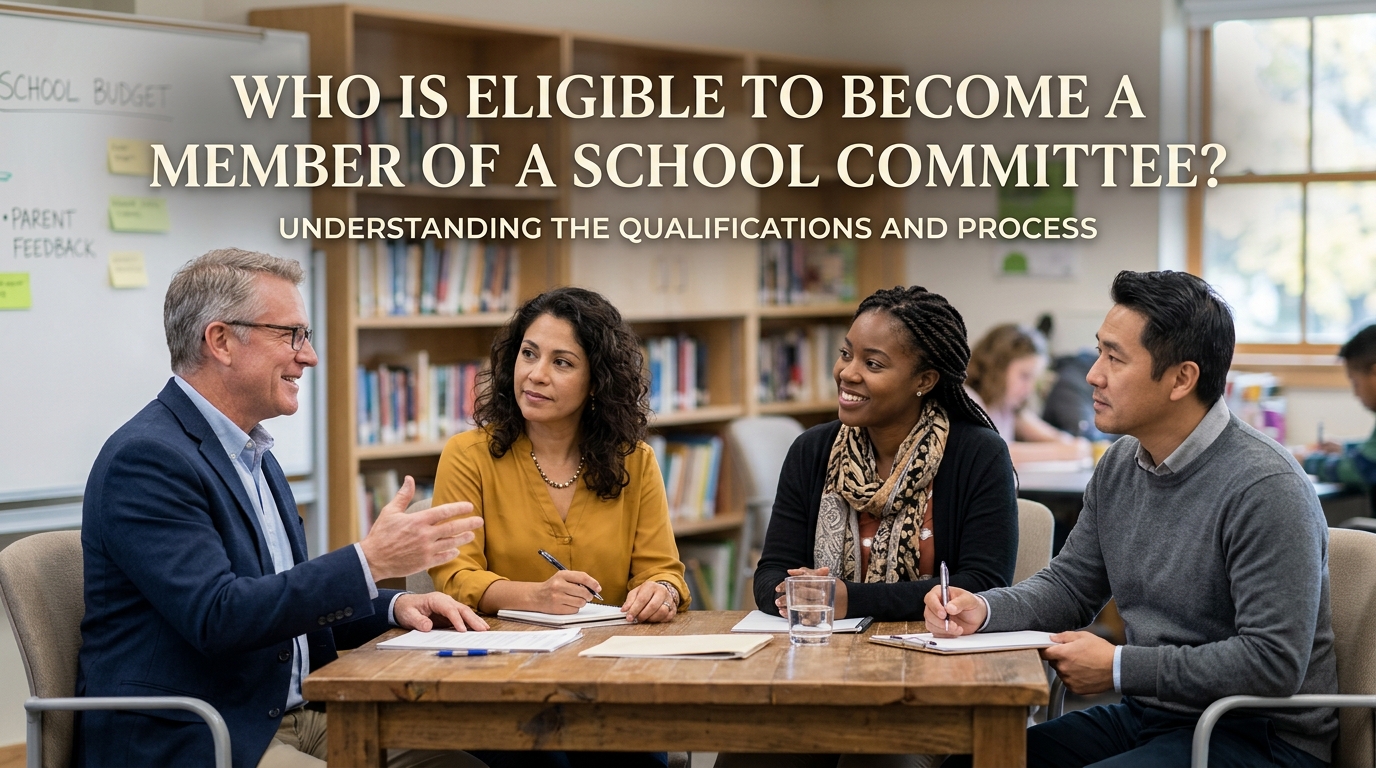
A school committee member is someone who participates in supporting educational development and building cooperation between schools, parents, and the surrounding community. The committee plays an important role in providing recommendations, collecting public opinions, and supporting programs that improve education quality. However, not everyone automatically becomes a member of a school committee. There are certain requirements and considerations to ensure that members can carry out their responsibilities properly.
People who are eligible to become school committee members generally come from different backgrounds, including parents, community representatives, education experts, and individuals who care about education. They should have a good reputation, demonstrate responsibility, and be willing to contribute to school development. Understanding the eligibility requirements is important to ensure that the committee operates independently, professionally, and in the best interests of students.
PARENTS OR GUARDIANS OF STUDENTS
Parents and guardians are among the important groups that can become members of a school committee. They understand their children's educational needs and can provide valuable perspectives about school services. Their involvement helps schools receive direct feedback about learning activities, facilities, student safety, and educational programs. Parents can also communicate the concerns and expectations of other families. This makes them valuable representatives in discussions about school development.
However, being a parent does not automatically guarantee membership. Candidates should be willing to participate actively, communicate respectfully, and prioritize the interests of all students rather than their own children. They should also be prepared to attend meetings and contribute constructive suggestions. Parents who have a strong commitment to education can help build better cooperation between families and schools. Their participation supports a more inclusive educational environment.
COMMUNITY REPRESENTATIVES
Community representatives are also eligible to participate in school committees. They may include local community leaders, social organization representatives, cultural figures, or individuals who have a positive influence in their surroundings. Their involvement helps schools understand the social conditions and educational needs of the local community. They can also encourage cooperation between schools and organizations outside the educational environment. This connection can create additional opportunities for school development.
Community representatives should have a good reputation and demonstrate genuine concern for education. They must be willing to support school programs without using their position for personal or group interests. Their contributions should focus on student welfare and the improvement of educational services. Good communication and the ability to work with different groups are also important qualities. These characteristics help ensure that community representation benefits the school as a whole.
EDUCATION EXPERTS AND PROFESSIONALS
Individuals with experience or knowledge in education may also become school committee members. They can include education practitioners, academics, researchers, and professionals who understand educational development. Their knowledge can help schools evaluate programs, identify learning needs, and consider suitable improvement strategies. They may also provide recommendations about teaching resources, student development, and educational facilities. Their expertise can strengthen the quality of discussions within the committee.
However, professional knowledge should be accompanied by independence and a willingness to cooperate. Education experts must respect the authority of school management and avoid interfering with teachers' professional responsibilities. They should provide recommendations based on reliable information and the actual needs of students. Their role is to contribute knowledge and constructive perspectives. This can help the committee make more informed suggestions for school improvement.
INDIVIDUALS WHO CARE ABOUT EDUCATION
People who have a strong interest in educational development may also be considered for school committee membership. They do not always need to work directly in the education sector. Individuals with experience in social activities, community development, or public services may offer useful ideas and support. Their participation can introduce new perspectives and encourage broader community involvement. This helps schools develop stronger relationships with different groups.
The most important consideration is their commitment to educational improvement. Candidates should demonstrate honesty, responsibility, cooperation, and respect for school regulations. They must also be willing to contribute without expecting personal benefits from their position. A genuine interest in student welfare is essential. These qualities help ensure that committee members work toward shared educational goals.
GENERAL REQUIREMENTS FOR BECOMING A SCHOOL COMMITTEE MEMBER
Although membership procedures may vary according to applicable regulations and school conditions, candidates are generally expected to meet several important standards. They should have a good reputation, demonstrate integrity, and show concern for educational development. Candidates must also be willing to participate in committee activities and communicate effectively with other members. Independence is important because committee members should not use their positions to promote personal interests. These qualities help maintain public trust in the committee.
In Indonesia, school committees are generally regulated by Minister of Education and Culture Regulation Number 75 of 2016 concerning School Committees. The regulation provides guidance on membership composition, selection, duties, and organizational principles. Membership is open to eligible community elements, including parents or guardians, community figures, and education experts. Certain restrictions also apply to prevent conflicts of interest and maintain the committee's independence. Therefore, candidates should understand the relevant regulations and the selection procedures followed by their schools.
PEOPLE WHO ARE NOT ELIGIBLE TO BECOME SCHOOL COMMITTEE MEMBERS
Not every individual can become a school committee member because independence and public trust must be protected. Under the applicable Indonesian regulation, certain groups are restricted from membership to prevent conflicts of interest. These include school principals, teachers and educational staff at the school concerned, education administrators from the relevant education office, and members of the school supervisory board. Political party officials and other individuals whose positions may create conflicts of interest are also subject to restrictions under the regulation.
These limitations help ensure that the committee can provide independent recommendations and represent community interests fairly. They also prevent excessive influence from individuals who already hold authority within school management or education administration. Candidates should understand these restrictions before participating in the selection process. Schools should also follow the applicable rules when determining committee membership. This helps create an independent and accountable organization.
THE SELECTION PROCESS FOR SCHOOL COMMITTEE MEMBERS
The selection of school committee members should be conducted transparently and involve the relevant school community. Parents, community representatives, and other eligible individuals may be considered according to the applicable selection procedures. The process should prioritize candidates who have integrity, commitment, and a genuine interest in educational development. Information about candidates and selection decisions should be communicated clearly. This helps build trust among parents and community members.
In Indonesia, the selection process must follow the provisions of the applicable regulations. The committee is established through a democratic process involving the school community, with membership determined according to the required composition and procedures. Selected members should understand their responsibilities before beginning their duties. They must also be prepared to work collaboratively and maintain the committee's independence. A fair selection process helps create a committee that can contribute effectively to school development.
CONCLUSION
People eligible to become school committee members generally include parents or guardians, community representatives, education experts, and other individuals who have a genuine interest in improving education. Candidates should demonstrate integrity, responsibility, independence, and a willingness to support school development. They must also understand the duties and restrictions established by applicable regulations.
In Indonesia, school committee membership is guided by Minister of Education and Culture Regulation Number 75 of 2016. Following these rules helps ensure that the committee operates fairly and independently. By selecting qualified members from different community backgrounds, schools can build stronger partnerships, improve educational services, and create better learning opportunities for students.
Recent Posts

Bagaimana Sistem SKS pada Program Kuliah... 22.11.2026/27 View

How Does Technology Make Daily Evaluation... 21.11.2026/65 View

Apa Strategi Menghadapi Kesenjangan antara Kompetensi... 21.11.2026/65 View

Mengapa Inventaris Aset Penting bagi Kelancaran... 21.11.2026/62 View

When Should Musicians Join a Record... 21.11.2026/63 View
