

Who Is Most Vulnerable to Online Hate?
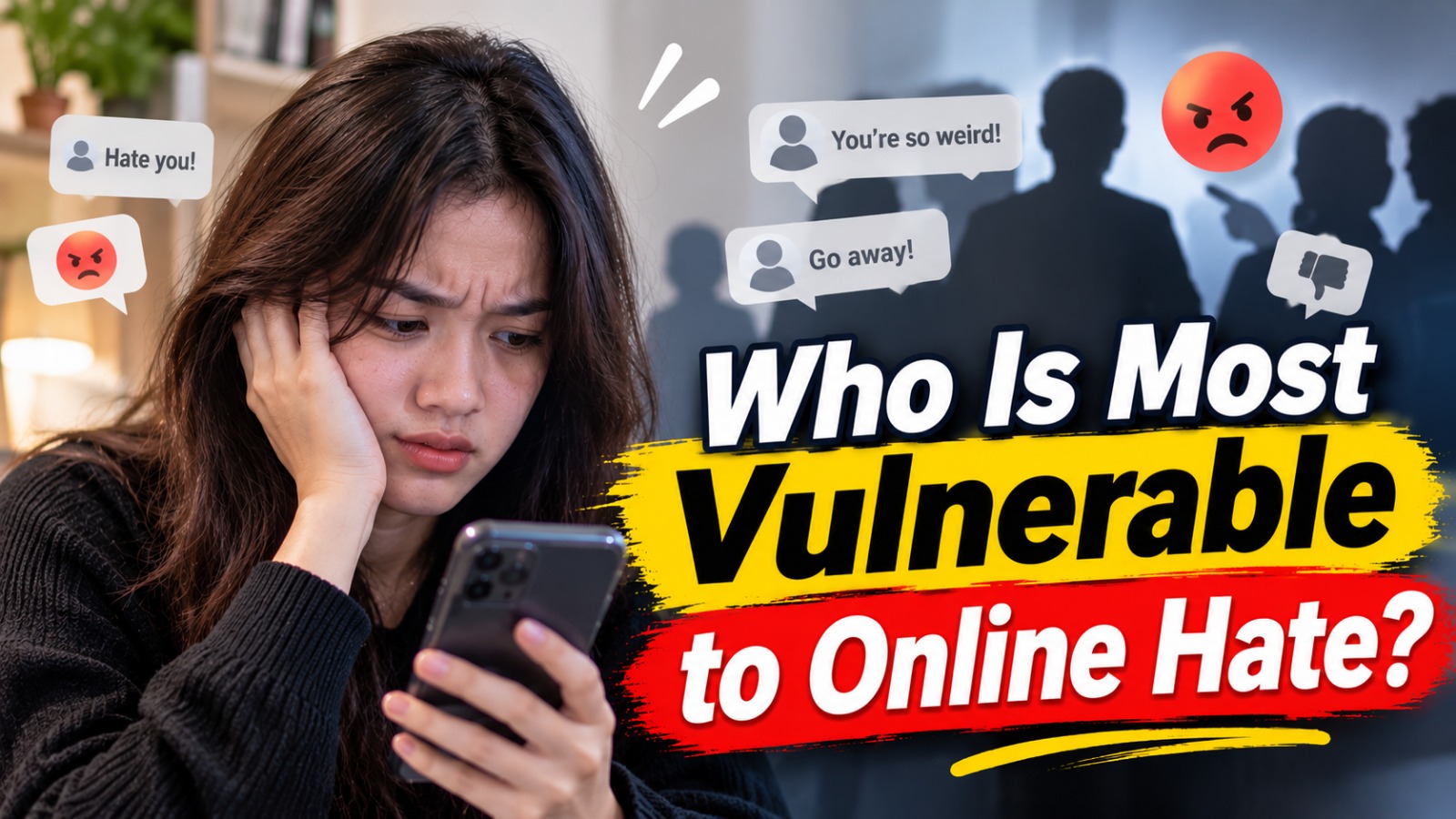
Online hate has become a growing concern as social media and digital communication continue to influence everyday life. People can express opinions, share personal experiences, and interact with large audiences through online platforms. However, these opportunities also expose users to insults, harassment, discrimination, and harmful comments.
Anyone can experience online hate, regardless of age, background, or social status. However, certain individuals may face greater exposure because of their public visibility, personal characteristics, activities, or participation in controversial discussions. Understanding who may be more vulnerable can help people recognize online risks and develop safer digital habits.
TEENAGERS AND YOUNG SOCIAL MEDIA USERS
Teenagers and young adults may be particularly exposed to online hate because social media often plays an important role in their social lives. They may use digital platforms to communicate with friends, share personal experiences, and express their identities.
Negative comments about appearance, popularity, relationships, or personal interests can affect their confidence and emotional well-being. Peer pressure and the desire for social acceptance may also make online criticism more difficult to manage. Guidance from parents, teachers, and trusted adults can help young users develop healthier digital habits.
PEOPLE WITH HIGH PUBLIC VISIBILITY
Public figures, content creators, influencers, and celebrities often receive attention from large online audiences. Their activities, opinions, and personal decisions may become subjects of public discussion.
Greater visibility can increase the number of people who respond to their content, including individuals who post hostile or insulting comments. Even when public figures expect criticism, repeated harassment and personal attacks can still create emotional pressure.
WOMEN AND GENDER-MINORITY COMMUNITIES
Women and gender-minority individuals may experience online hostility involving gender-based insults, sexualized harassment, discriminatory language, or threats. Such behavior can target personal appearance, identity, professional achievements, and opinions.
In some situations, harmful comments are accompanied by attempts to intimidate individuals or discourage them from participating in public discussions. Respectful digital communication and effective reporting systems are important for protecting users from this type of harassment.
PEOPLE FROM MINORITY COMMUNITIES
Individuals from racial, ethnic, religious, cultural, or other minority communities may become targets of discriminatory online behavior. Negative comments can involve stereotypes, prejudice, or hostility toward particular identities and backgrounds.
These experiences can affect someone's sense of safety and belonging in digital spaces. Promoting diversity, challenging discriminatory statements, and reporting abusive content can help create more inclusive online communities.
CONTENT CREATORS AND ONLINE BUSINESS OWNERS
Content creators and online business owners regularly interact with audiences through public posts, videos, advertisements, and customer discussions. Their work may attract positive engagement as well as criticism and hostile reactions.
For example, a creator may receive insults about their appearance or opinions, while a business owner may face personal attacks during customer disagreements. Learning to manage feedback, establish communication boundaries, and use moderation tools can help protect their online activities.
PEOPLE WHO EXPRESS DIFFERENT OPINIONS
Individuals who discuss sensitive or controversial topics may become targets of online hostility. Differences in political, social, cultural, or personal viewpoints can sometimes lead to aggressive arguments.
Instead of responding to an opposing opinion with reasonable explanations, some users may resort to insults or personal attacks. This behavior can discourage people from expressing themselves and participating in meaningful discussions.
INDIVIDUALS EXPERIENCING PERSONAL DIFFICULTIES
People going through challenging situations may find negative online interactions especially difficult to manage. Individuals experiencing loneliness, social pressure, personal loss, or low self-confidence may feel more affected by repeated criticism.
However, vulnerability varies from person to person. Experiencing personal difficulties does not automatically mean someone will be harmed by online comments. Access to emotional support and healthy coping strategies can make a meaningful difference.
PEOPLE WHO EXPERIENCE CYBERBULLYING
Individuals who are repeatedly targeted through digital communication may face greater risks than those who receive isolated negative comments. Cyberbullying can involve repeated insults, threats, public humiliation, spreading rumors, or sharing private information without permission.
Because online content can be shared widely and remain accessible, the experience may become difficult to escape. Victims may feel anxious about checking their accounts or interacting with other people. Persistent harassment should be taken seriously and reported to appropriate people or authorities when necessary.
FACTORS THAT INCREASE VULNERABILITY TO ONLINE HATE
Several circumstances can increase someone's exposure to harmful online interactions. These factors do not mean that a person is responsible for being targeted, but they can help explain why some users encounter more online hostility.
Common contributing factors include:
- High online visibility: Public accounts may attract responses from larger and less familiar audiences.
- Frequent public interaction: Regular participation in discussions can create more opportunities for disagreements.
- Limited privacy settings: Publicly accessible personal information may be misused by others.
- Discriminatory social attitudes: Prejudice can make certain communities more frequent targets.
- Repeated online exposure: Spending significant time in hostile digital environments may increase contact with harmful content.
- Insufficient support: A lack of trusted people to discuss online experiences with may make harassment harder to manage.
These factors should be understood as possible influences rather than fixed characteristics of every victim.
HOW TO PROTECT YOURSELF FROM ONLINE HATE
Protecting yourself from online hate involves managing privacy, recognizing harmful behavior, and knowing when to seek assistance. Everyone should have the opportunity to participate in digital spaces without experiencing intimidation or harassment.
Several practical steps include:
- Adjust privacy settings: Control who can view your personal information and interact with your accounts.
- Limit personal information: Avoid sharing sensitive details that could be misused.
- Block and report abusive accounts: Use platform tools when encountering harassment or threats.
- Save relevant evidence: Keep screenshots, links, and other records of serious incidents.
- Avoid unnecessary arguments: Do not feel obligated to respond to every hostile comment.
- Seek support: Talk with trusted friends, family members, teachers, or counselors.
- Maintain healthy digital habits: Take breaks from social media when online interactions become emotionally exhausting.
If online hate includes threats, persistent intimidation, or the distribution of private information, preserve evidence and seek appropriate assistance.
CONCLUSION
Anyone can become a target of online hate, but teenagers, public figures, women, minority communities, content creators, and individuals experiencing repeated cyberbullying may face particular forms of exposure. The risks can vary depending on online visibility, social circumstances, discriminatory attitudes, and the nature of digital interactions.
Understanding these vulnerabilities is an important step toward creating safer online communities. By improving digital awareness, respecting personal differences, using privacy tools, and supporting people who experience harassment, social media users can help build a more respectful digital environment.
Recent Posts

Bagaimana Sistem SKS pada Program Kuliah... 22.11.2026/27 View

How Does Technology Make Daily Evaluation... 21.11.2026/65 View

Apa Strategi Menghadapi Kesenjangan antara Kompetensi... 21.11.2026/65 View

Mengapa Inventaris Aset Penting bagi Kelancaran... 21.11.2026/62 View

When Should Musicians Join a Record... 21.11.2026/63 View
