

Who Is Most Vulnerable to the Effects of Radiation Rays?
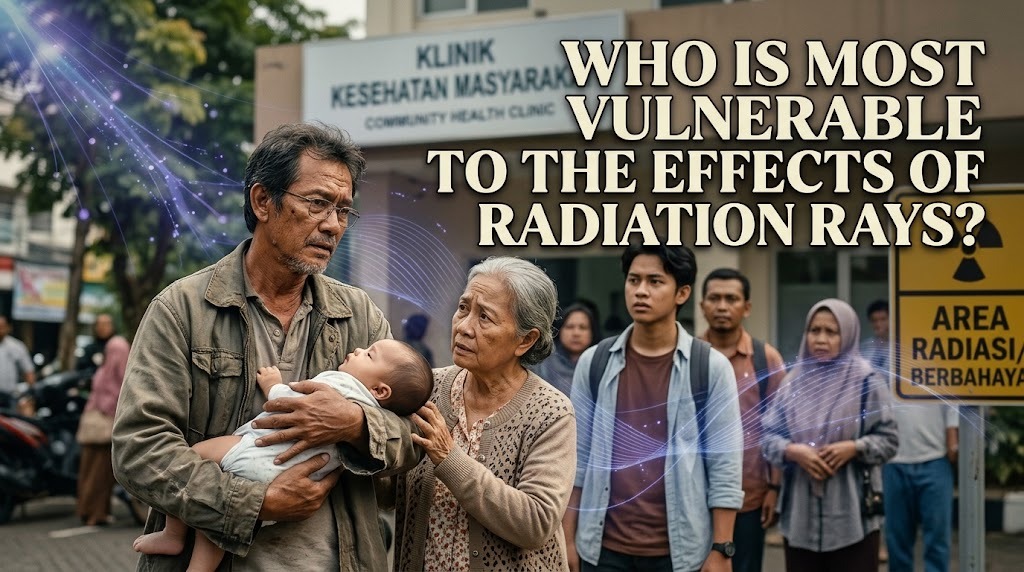
Radiation sensitivity, or radiosensitivity, refers to how easily biological tissues and organisms suffer damage from exposure to ionizing radiation rays. Not all living tissue reacts to radiation in the exact same manner.
The degree of vulnerability depends heavily on cellular characteristics, such as how rapidly cells divide and how specialized they are. Understanding which populations and organs are most vulnerable helps healthcare professionals establish targeted safety protocols and protective measures.
DEVELOPING FOETUSES AND EMBRYOS
Unborn babies are among the most vulnerable populations to the harmful effects of ionizing radiation exposure. During pregnancy, a fetus consists of rapidly multiplying cells that are actively forming vital organs and bodily systems.
When high-energy radiation strikes these fast-dividing embryonic cells, it can lead to developmental abnormalities or cellular mutations. For this reason, medical professionals take extreme precautions, such as using lead shielding or alternative imaging, when treating pregnant patients.
INFANTS AND YOUNG CHILDREN
Infants and growing children are significantly more sensitive to radiation rays than adults. Because children are actively growing, their body tissues contain a higher proportion of dividing cells, making them susceptible to cellular disruptions.
Additionally, because children have a longer remaining lifespan, any radiation-induced cellular changes have more time to potentially develop into long-term health conditions like cancer. Radiology guidelines strictly enforce pediatric-specific imaging protocols to keep radiation doses as low as possible.
RAPIDLY DIVIDING BODY TISSUES
Within any human body, specific tissues and organs are naturally far more sensitive to radiation than others. Tissues characterized by rapid cellular turnover and division absorb radiation damage much more readily than stable, slow-dividing tissues.
- Bone Marrow and Blood-Forming Organs: Highly vulnerable because blood cells divide continuously.
- Gastrointestinal Tract Lining: Extremely sensitive due to frequent cellular renewal.
- Reproductive Cells: Highly sensitive to radiation, which can disrupt healthy genetic material.
In contrast, dense, slow-dividing structures like muscles, nerves, and mature bones are relatively resistant to radiation damage.
INDIVIDUALS WITH SPECIFIC GENETIC CONDITIONS
Certain genetic factors can make specific individuals unusually sensitive to the effects of radiation rays. People born with rare genetic disorders—such as Ataxia-Telangiectasia or Li-Fraumeni syndrome—have impaired DNA repair mechanisms.
Because their bodies cannot efficiently repair broken DNA strands, even standard diagnostic radiation doses can pose elevated risks. Identifying these genetic conditions allows physicians to avoid unnecessary radiation exposure and select safer medical alternatives.
OCCUPATIONAL AND HIGH-EXPOSURE WORKERS
Individuals whose professions involve daily proximity to radiation sources face a higher cumulative risk over time. This group includes medical radiographers, nuclear industry workers, commercial flight crews, and industrial radiographers.
While individual daily exposures are kept extremely small, the accumulated lifetime dose can gradually increase potential health risks if not strictly monitored. Radiation protection officers utilize personal dosimeters and physical shielding to ensure these workers stay within safe regulatory boundaries.
CONCLUSION
In conclusion, the individuals most vulnerable to radiation rays are developing fetuses, infants, rapidly growing children, and those with specific genetic conditions. At a cellular level, tissues with fast cell division rates absorb the greatest biological impact.
By identifying vulnerable populations and sensitive organs, modern medicine implements strict protective guidelines and dose controls. These safety measures ensure that necessary diagnostic and therapeutic procedures remain safe for people of all ages.
Recent Posts

Bagaimana Sistem SKS pada Program Kuliah... 22.11.2026/53 View

How Does Technology Make Daily Evaluation... 21.11.2026/82 View

Apa Strategi Menghadapi Kesenjangan antara Kompetensi... 21.11.2026/81 View

Mengapa Inventaris Aset Penting bagi Kelancaran... 21.11.2026/77 View

When Should Musicians Join a Record... 21.11.2026/82 View
