

Who Is Responsible for Managing School Health Programs?
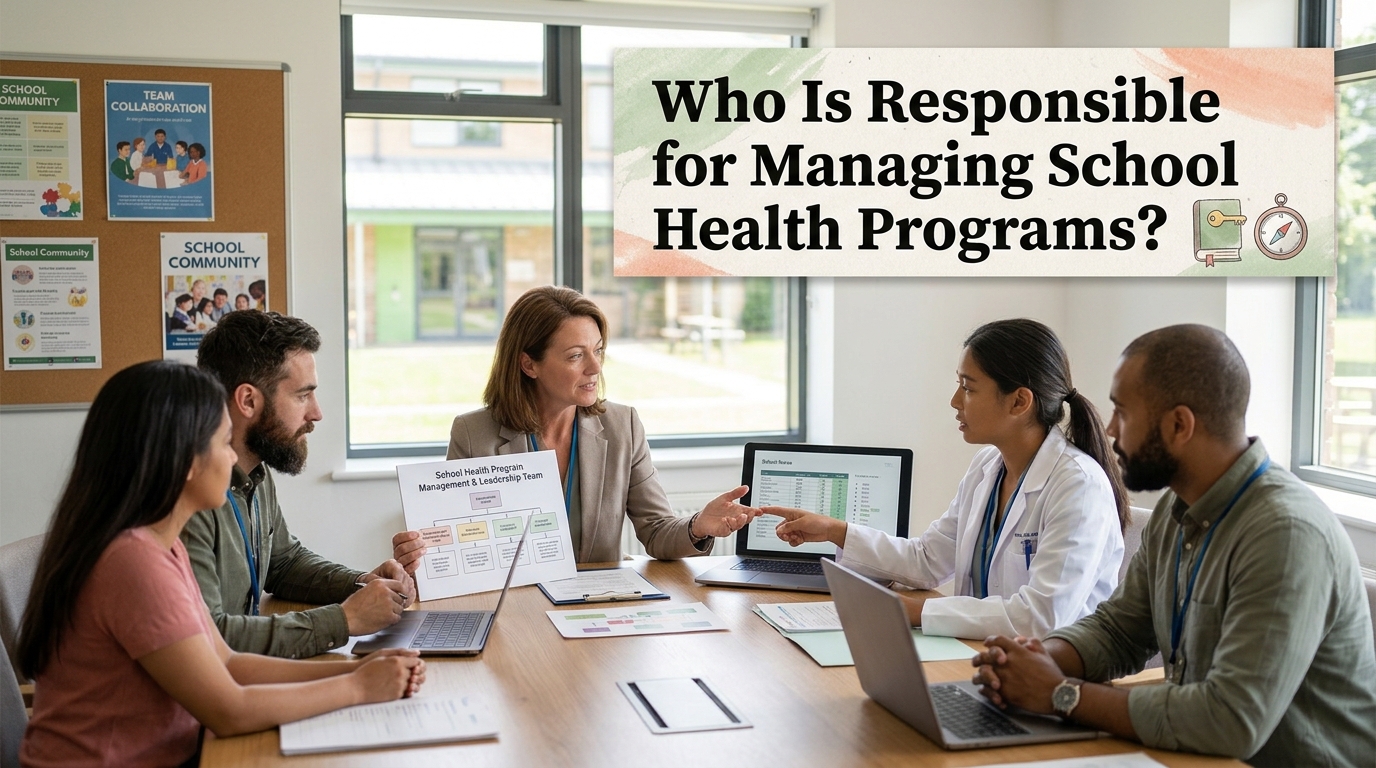
School health programs play an important role in protecting students' health and supporting their learning activities. These programs include health education, basic health services, disease prevention, personal hygiene, and the creation of a safe school environment. However, managing school health programs is not the responsibility of only one person. School administrators, teachers, health professionals, parents, and community organizations all have important roles in ensuring that these programs run effectively. Cooperation among these parties helps schools provide appropriate health support and encourage students to develop healthy habits.
1. SCHOOL PRINCIPALS AND ADMINISTRATORS
School principals and administrators have a major responsibility for planning, coordinating, and supervising school health programs. They help establish health policies, allocate budgets, and ensure that health activities follow applicable education and health regulations. They also need to provide suitable facilities, such as clean toilets, handwashing stations, safe drinking water, and a designated health room. These facilities support students in maintaining their health during school hours.
Administrators should also appoint responsible staff members and coordinate with healthcare providers when necessary. They need to monitor whether health activities are being implemented properly and identify areas that require improvement. Strong leadership and clear management are essential for maintaining an organized school health program. Without proper coordination, health activities may become inconsistent or fail to address students' needs.
2. SCHOOL HEALTH COORDINATORS
A school health coordinator helps organize and manage the daily activities of a school health program. This role may be assigned to a teacher, school staff member, or another person appointed by the school, depending on local policies and available resources. The coordinator can arrange health education activities, maintain program records, and communicate with healthcare professionals. They may also help organize health campaigns, screenings, and hygiene activities.
The coordinator should ensure that health activities are carried out according to the school's plans and relevant guidelines. They can collect feedback from teachers and students to understand whether the program is working effectively. Good coordination helps connect school administrators, teachers, healthcare providers, and families. This makes it easier to identify health concerns and organize appropriate responses.
3. TEACHERS AND SCHOOL STAFF
Teachers and school staff contribute to school health programs because they interact with students every day. They can provide health education through lessons and classroom activities covering nutrition, personal hygiene, physical activity, and disease prevention. Teachers can also encourage students to practice healthy behaviors, such as washing their hands before eating and keeping classrooms clean. Their daily guidance helps students understand the importance of maintaining their health.
School staff members also need to recognize situations that may require health support. For example, they should know how to respond to minor injuries according to school procedures and when to contact parents or emergency services. However, teachers are not substitutes for qualified healthcare professionals and should not perform medical procedures beyond their training. Their main responsibility is to support students, observe potential concerns, and follow established safety protocols.
4. HEALTHCARE PROFESSIONALS AND COMMUNITY HEALTH CENTERS
Healthcare professionals provide important medical knowledge and support for school health programs. Depending on local arrangements, doctors, nurses, midwives, and other qualified health workers may conduct health screenings, provide health education, and offer guidance on disease prevention. They can also help schools identify students who need further medical assessment. Their involvement ensures that health activities are based on appropriate professional standards.
Community health centers can also support schools through health campaigns, consultations, referrals, and other services available in the local area. In Indonesia, Puskesmas can work with schools through the School Health Unit program, commonly known as Usaha Kesehatan Sekolah or UKS. Healthcare professionals can advise schools on hygiene standards, vaccination information, nutrition, and the management of health risks. This partnership helps connect school-based activities with the wider healthcare system.
5. PARENTS AND FAMILIES
Parents and families have an important role in supporting students' health beyond the school environment. They can reinforce healthy habits by providing nutritious meals, encouraging regular physical activity, and ensuring that children get enough sleep. Parents should also communicate relevant health information to the school when it may affect a student's safety or participation in activities. This communication helps schools provide more appropriate support.
Families can participate in school health meetings, educational campaigns, and other activities that promote student well-being. They can also encourage children to follow hygiene practices and seek help when they feel unwell. Cooperation between parents and schools creates consistent health guidance at home and in the classroom. When students receive similar messages in both environments, they are more likely to develop healthy habits.
6. STUDENTS AND STUDENT ORGANIZATIONS
Students are not only participants in school health programs but can also contribute to their success. They can practice healthy habits, maintain personal hygiene, keep their classrooms clean, and participate in health education activities. Older students may also help organize campaigns about nutrition, exercise, environmental cleanliness, and disease prevention. These activities can encourage leadership and responsibility among students.
Student organizations can support health initiatives by sharing accurate information and promoting positive behavior among their peers. However, students should work under the guidance of teachers or qualified health professionals when organizing health-related activities. They should not provide medical diagnoses or treatment to other students. Active student participation helps build a school culture that values health and mutual responsibility.
7. GOVERNMENT AND EDUCATION AUTHORITIES
Government agencies and education authorities help establish the policies and standards that guide school health programs. They may provide regulations, technical guidance, training opportunities, and resources to support schools. Their responsibilities can include coordinating education and healthcare services, promoting disease prevention, and monitoring the implementation of relevant programs. These efforts help ensure that schools have a clear framework for protecting student health.
Local authorities can also work with health departments and community health centers to address specific health needs in their areas. Support may include professional training, health campaigns, sanitation improvements, and access to appropriate healthcare services. Government support helps schools implement health programs consistently and according to established standards. The exact responsibilities of each agency depend on the country's regulations and administrative structure.
8. WHY COOPERATION IS IMPORTANT IN MANAGING SCHOOL HEALTH PROGRAMS
School health programs are more effective when every responsible party understands their duties and works toward shared goals. School administrators provide leadership, teachers guide students, healthcare professionals offer medical expertise, and parents reinforce healthy habits at home. Students also contribute by practicing healthy behaviors and participating in school activities. This division of responsibilities helps prevent important tasks from being overlooked.
Cooperation also allows schools to respond more effectively to health challenges, including infectious diseases, poor sanitation, nutritional problems, and student well-being concerns. Regular communication makes it easier to share information, organize appropriate services, and evaluate program results. A coordinated approach creates a safer and healthier learning environment for all students. Schools should review their programs regularly to ensure that activities remain relevant and meet students' needs.
CONCLUSION
Managing school health programs is a shared responsibility involving school principals, administrators, health coordinators, teachers, healthcare professionals, parents, students, and government authorities. Each group contributes according to its role, knowledge, and available resources. Effective management requires clear policies, adequate facilities, regular communication, and cooperation between schools and healthcare services. No single person or institution can manage every aspect of student health alone. Through teamwork and consistent support, school health programs can protect students, promote healthy habits, and create a better environment for learning and development.
Recent Posts

Bagaimana Sistem SKS pada Program Kuliah... 22.11.2026/35 View

How Does Technology Make Daily Evaluation... 21.11.2026/69 View

Apa Strategi Menghadapi Kesenjangan antara Kompetensi... 21.11.2026/69 View

Mengapa Inventaris Aset Penting bagi Kelancaran... 21.11.2026/67 View

When Should Musicians Join a Record... 21.11.2026/68 View
