

Who Plays an Important Role in Organizing Successful School Flag Ceremonies?
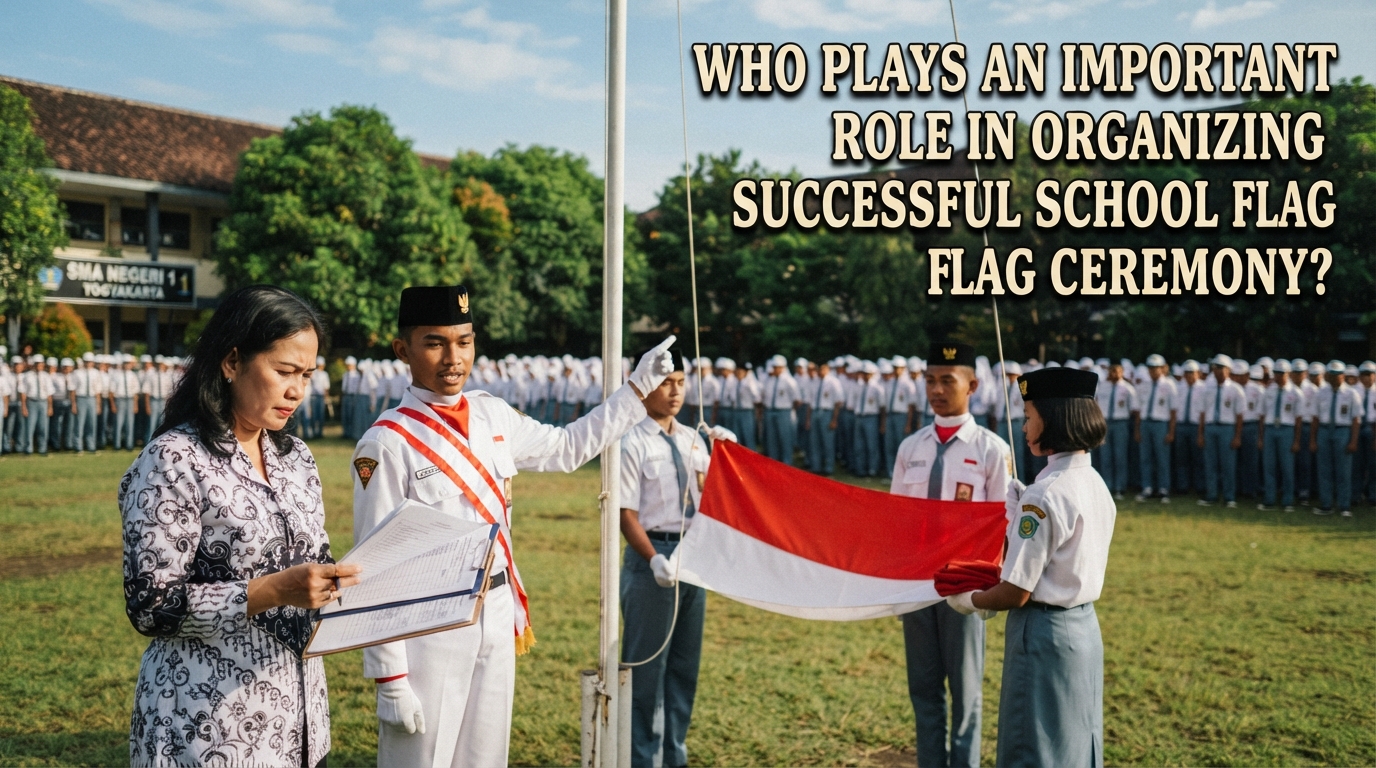
A successful school flag ceremony requires cooperation, preparation, and responsibility from several people. Although the activity may look simple, it involves many important tasks, such as preparing the ceremony area, arranging participants, managing the flag-raising process, and ensuring that every activity follows the correct sequence. Each person involved has a different responsibility that contributes to the smooth running of the event.
In schools, the main people who help organize flag ceremonies include school principals, teachers, ceremony supervisors, student officers, student council members, and supporting staff. Their cooperation ensures that the ceremony runs in an orderly manner while providing students with valuable lessons about discipline, leadership, teamwork, and national awareness.
THE SCHOOL PRINCIPAL AS THE MAIN COORDINATOR
The school principal plays an important role in ensuring that flag ceremonies are properly organized. As the school leader, the principal is generally responsible for establishing policies and supervising the implementation of school activities, including regular ceremonies. The principal may assign teachers and staff to manage specific responsibilities before the event. They also ensure that the ceremony follows school regulations and applicable guidelines. Through proper coordination, the principal helps create an organized environment where everyone understands their duties.
TEACHERS AS ORGANIZERS AND GUIDES
Teachers help prepare and guide students throughout the ceremony. They may organize practice sessions, explain the correct procedures, and supervise students who have been selected as ceremony officers. Teachers also help maintain order by reminding participants to arrive on time, wear appropriate uniforms, and follow instructions. Their guidance is especially important for students who are participating in a ceremony for the first time. By providing consistent support, teachers help students develop discipline, confidence, and responsibility.
THE CEREMONY SUPERVISOR AS THE MESSAGE DELIVERER
The ceremony supervisor is usually a principal, teacher, or another appointed school representative who leads the formal event. One of their main responsibilities is to deliver a speech or message related to education, character development, nationalism, or current school priorities. The supervisor also gives important instructions according to the ceremony sequence. Their message can help students understand the values behind the activity rather than viewing it as an ordinary routine. A well-prepared supervisor can make the ceremony more meaningful and educational.
STUDENT OFFICERS AS THE EXECUTORS OF THE CEREMONY
Student officers are among the most visible participants in a school flag ceremony. Depending on the school's arrangements, they may serve as the ceremony leader, flag-raising team, national anthem conductor, prayer leader, or other officers. Each student must understand their assigned duties and practice carefully before the event. Coordination is particularly important for the flag-raising team because its members must move together and follow the correct procedures. Their participation develops leadership, teamwork, punctuality, and self-confidence.
THE STUDENT COUNCIL IN SUPPORTING CEREMONY PREPARATIONS
The student council can help organize and coordinate various preparations for flag ceremonies. Its members may assist teachers in arranging participants, sharing information, preparing equipment, and encouraging students to follow ceremony rules. They can also help communicate important announcements about schedules and uniform requirements. In some schools, student council members may take responsibility for specific organizational tasks under teacher supervision. Their involvement gives students opportunities to practice communication, cooperation, and organizational skills.
SUPPORTING STAFF IN PREPARING THE CEREMONY AREA
School supporting staff also contribute to the success of flag ceremonies. Their responsibilities may include preparing the schoolyard, checking the flagpole, arranging sound equipment, and ensuring that the ceremony area is clean and safe. They may also help prepare chairs, microphones, or other facilities when needed. Although their work often takes place behind the scenes, it helps prevent technical and environmental problems during the event. Cooperation with supporting staff ensures that the ceremony can take place in a comfortable and orderly setting.
STUDENTS AS PARTICIPANTS IN MAINTAINING ORDER
All students who attend the ceremony also have an important responsibility. They must arrive on time, stand in their assigned positions, wear the required uniforms, and pay attention to the ceremony leader. Students should also show respect when the national flag is raised and the national anthem is sung. Following these rules helps maintain a respectful atmosphere and supports the officers who are leading the event. Active participation from all students is essential because a successful ceremony depends not only on the organizers but also on the cooperation of everyone attending.
THE IMPORTANCE OF TEAMWORK IN ORGANIZING FLAG CEREMONIES
Successful school flag ceremonies depend on teamwork and clear communication among everyone involved. Each person has different duties, but all responsibilities are connected and contribute to the same objective. For example, teachers guide student officers, supporting staff prepare the facilities, and the student council helps coordinate participants. If one group does not complete its responsibilities, the ceremony may experience delays or unnecessary problems. Therefore, regular preparation, mutual respect, and proper coordination are essential for creating an orderly and meaningful school flag ceremony.
CONCLUSION
Organizing a successful school flag ceremony requires the involvement of several important groups, including school principals, teachers, ceremony supervisors, student officers, student council members, supporting staff, and all students. Each group contributes through different responsibilities, from planning and preparation to carrying out the ceremony and maintaining order. Their cooperation helps the event run smoothly while teaching students valuable character traits. Ultimately, a meaningful flag ceremony is not only about following formal procedures but also about developing discipline, leadership, teamwork, and national awareness.
Recent Posts

How Does Technology Make Daily Evaluation... 21.11.2026/58 View

Apa Strategi Menghadapi Kesenjangan antara Kompetensi... 21.11.2026/60 View

Mengapa Inventaris Aset Penting bagi Kelancaran... 21.11.2026/56 View

When Should Musicians Join a Record... 21.11.2026/55 View

Daily Evaluation or Daily Planning Which... 21.11.2026/63 View
