

Why Are Attitude and Behavior Important in Personal Presentation?
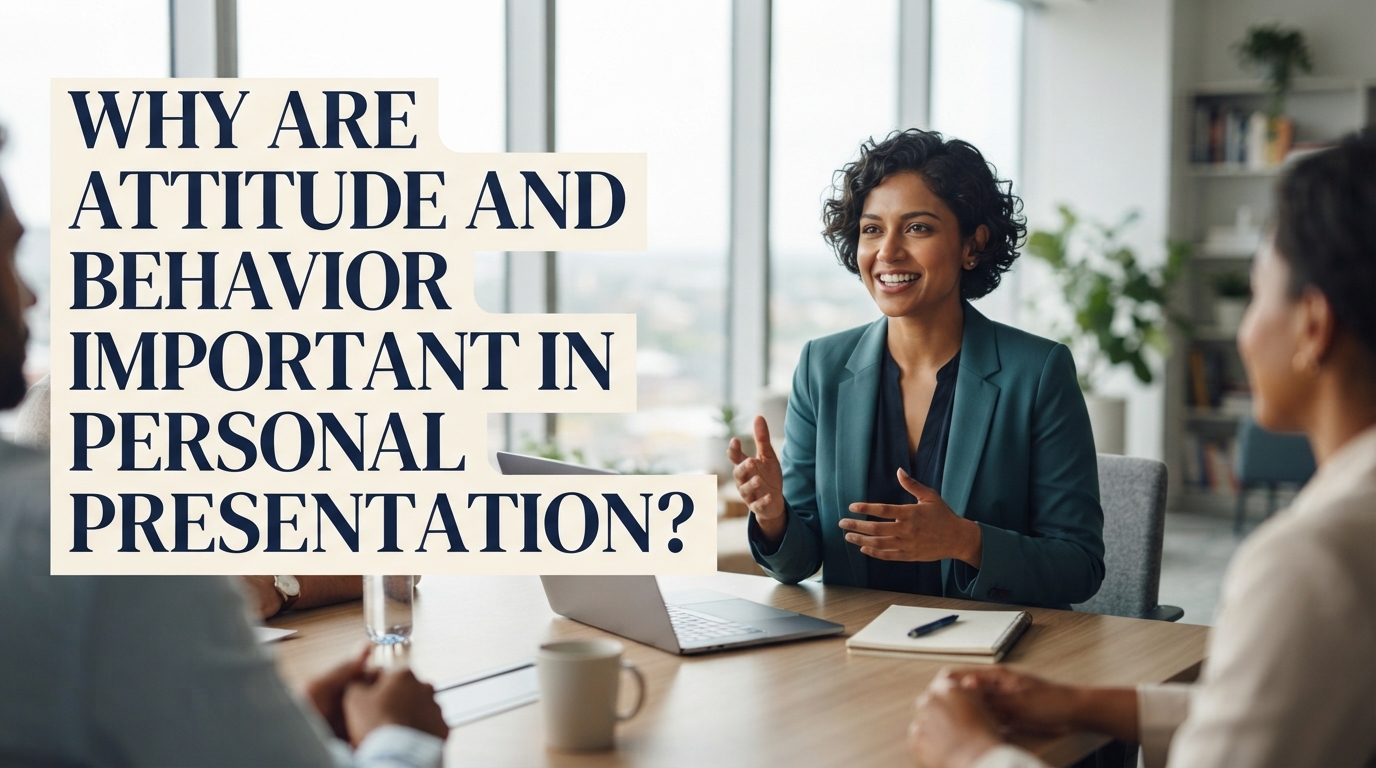
Personal presentation is not only about physical appearance or the way someone dresses. It also involves how individuals think, communicate, and behave when interacting with other people. Attitude and behavior are two important elements that influence how others perceive our personality, values, and character. A neat appearance may create a good first impression, but positive attitudes and respectful behavior help maintain that impression over time. Understanding their importance can help individuals build stronger relationships, improve self-confidence, and develop a positive image in social and professional environments.
WHAT ARE ATTITUDE AND BEHAVIOR IN PERSONAL PRESENTATION?
Attitude refers to the way someone thinks, feels, and responds to different situations or people. It influences how individuals approach challenges, communicate their opinions, and treat others. For example, someone with a positive attitude is generally more willing to listen, learn, and find solutions when facing difficulties. Meanwhile, behavior refers to the actions and responses that people demonstrate in everyday situations. Attitude reflects a person's mindset, while behavior shows how that mindset is expressed through actions.
Both elements are closely connected because attitudes can influence the way people behave. Someone who values respect, for instance, is more likely to listen carefully and communicate politely. However, behavior is also shaped by personal habits, social environments, and circumstances. Developing a good personal presentation therefore requires individuals to build positive attitudes and demonstrate them through consistent actions.
HOW DOES ATTITUDE CREATE A POSITIVE FIRST IMPRESSION?
Attitude plays an important role in creating a positive first impression because people often notice how someone responds during their first interaction. A friendly, respectful, and confident attitude can make conversations feel more comfortable. People who show genuine interest in others are also more likely to create a welcoming atmosphere. In contrast, an unfriendly or dismissive attitude may make others feel uncomfortable, even when the person has a neat appearance. A positive attitude helps communicate openness, confidence, and respect from the beginning.
First impressions can influence how people approach future interactions, especially in interviews, meetings, and new social environments. Although one interaction does not define someone's entire personality, it can shape initial expectations. Showing enthusiasm, being polite, and maintaining a calm attitude can help establish a positive connection. These simple habits make personal presentation more effective and meaningful.
WHY IS RESPECTFUL BEHAVIOR IMPORTANT WHEN INTERACTING WITH OTHERS?
Respectful behavior helps create healthy relationships because it shows that individuals value other people's feelings, opinions, and personal boundaries. Simple actions such as listening without interrupting, using polite language, and acknowledging different perspectives can make interactions more positive. Respect is also important when communicating with people who have different backgrounds or viewpoints. Treating others with respect demonstrates emotional maturity and good personal character.
In professional environments, respectful behavior supports teamwork and cooperation. Employees who appreciate other people's contributions can build stronger working relationships and reduce unnecessary conflicts. In everyday social situations, respectful actions help develop trust and mutual understanding. This makes respect an essential part of a positive personal presentation.
HOW DOES POSITIVE ATTITUDE INFLUENCE SELF-CONFIDENCE?
A positive attitude can help individuals develop greater confidence when facing new experiences and challenges. People who believe that they can learn and improve are generally more willing to try unfamiliar activities. They do not necessarily avoid mistakes because they understand that mistakes can provide valuable lessons. A healthy attitude encourages people to recognize their abilities without being afraid of personal weaknesses.
Self-confidence also influences the way individuals communicate and present themselves. Confident people are more comfortable expressing their opinions, asking questions, and participating in discussions. However, genuine confidence does not mean believing that you are always right. It involves trusting your abilities while remaining open to feedback and new knowledge. This balance helps create a confident and approachable personal image.
THE ROLE OF BEHAVIOR IN BUILDING A PROFESSIONAL IMAGE
Professional behavior is essential because it reflects how individuals handle responsibilities and interact with others in the workplace. Being punctual, completing tasks properly, and communicating clearly can show that someone is reliable. These actions help colleagues and supervisors develop trust in an individual's abilities. A professional image is built through consistent behavior, not just formal clothing or an attractive appearance.
Other important behaviors include accepting responsibility, maintaining confidentiality, and respecting workplace rules. When problems occur, professional individuals try to find solutions instead of immediately blaming others. They also recognize the importance of teamwork and appreciate the contributions of their colleagues. By demonstrating these habits, people can strengthen their professional reputation and create better career opportunities.
HOW DO ATTITUDE AND BEHAVIOR AFFECT SOCIAL RELATIONSHIPS?
Attitude and behavior influence the quality of relationships because they affect how people communicate and respond to one another. A patient and understanding attitude can make it easier to handle disagreements without damaging a relationship. Positive behavior, such as offering help and showing appreciation, can also strengthen emotional connections. Healthy relationships depend on mutual respect, honesty, and consistent positive actions.
On the other hand, negative attitudes and inappropriate behavior may create misunderstandings and reduce trust. For example, frequently interrupting others, ignoring their concerns, or refusing to apologize can make relationships difficult to maintain. People may gradually become uncomfortable interacting with someone who repeatedly displays these habits. Developing empathy and controlling emotional responses can help prevent unnecessary conflicts and improve social connections.
HOW TO DEVELOP A POSITIVE ATTITUDE AND GOOD BEHAVIOR
Developing a positive attitude and good behavior requires self-awareness and regular practice. Individuals need to understand how their words and actions affect other people. They should also identify habits that may create negative impressions and make an effort to improve them. Personal presentation becomes stronger when positive values are practiced consistently in everyday life.
Here are several practical ways to improve attitude and behavior:
- Practice Self-Awareness: Understand your strengths, weaknesses, emotions, and habits.
- Show Respect: Listen carefully and appreciate other people's opinions.
- Communicate Politely: Choose clear and appropriate words when speaking with others.
- Control Your Emotions: Respond calmly instead of reacting aggressively when facing problems.
- Accept Feedback: Use constructive criticism to identify areas for improvement.
- Take Responsibility: Admit mistakes and make an effort to correct them.
- Develop Empathy: Try to understand other people's feelings and perspectives.
- Maintain Consistency: Demonstrate positive behavior in both social and professional situations.
These habits may seem simple, but practicing them regularly can create meaningful improvements. It is important to remember that personal development takes time and requires patience. Small positive changes can gradually build a stronger personality and a better personal image.
WHY SHOULD ATTITUDE AND BEHAVIOR MATCH PHYSICAL APPEARANCE?
Physical appearance can influence the first impression someone creates, but attitude and behavior help determine whether that impression remains positive. Wearing neat clothing and maintaining good personal hygiene can show that someone takes care of themselves. However, an attractive appearance alone cannot demonstrate honesty, responsibility, or respect. A well-presented person should combine an appropriate appearance with positive attitudes and actions.
When appearance, communication, and behavior support one another, personal presentation becomes more convincing. For example, someone who dresses professionally but speaks rudely may create a negative impression. In contrast, a person who looks neat, communicates politely, and treats others fairly is more likely to be viewed as professional and approachable. The goal is not to look perfect but to create a balanced presentation that reflects genuine personal values.
CONCLUSION
Attitude and behavior are important in personal presentation because they influence how people perceive, understand, and interact with us. A positive attitude reflects a healthy mindset, while respectful behavior demonstrates good character through everyday actions. Both elements support self-confidence, strengthen social relationships, and help individuals build a professional image. Although physical appearance can create an initial impression, consistent positive behavior is essential for maintaining trust and respect. By practicing self-awareness, empathy, responsibility, and effective communication, everyone can develop a better personal presentation in everyday life.
Recent Posts

How Does Technology Make Daily Evaluation... 21.11.2026/55 View

Apa Strategi Menghadapi Kesenjangan antara Kompetensi... 21.11.2026/57 View

Mengapa Inventaris Aset Penting bagi Kelancaran... 21.11.2026/51 View

When Should Musicians Join a Record... 21.11.2026/52 View

Daily Evaluation or Daily Planning Which... 21.11.2026/59 View
