

Why Are Digital Platforms Changing the Future of the Music Industry?
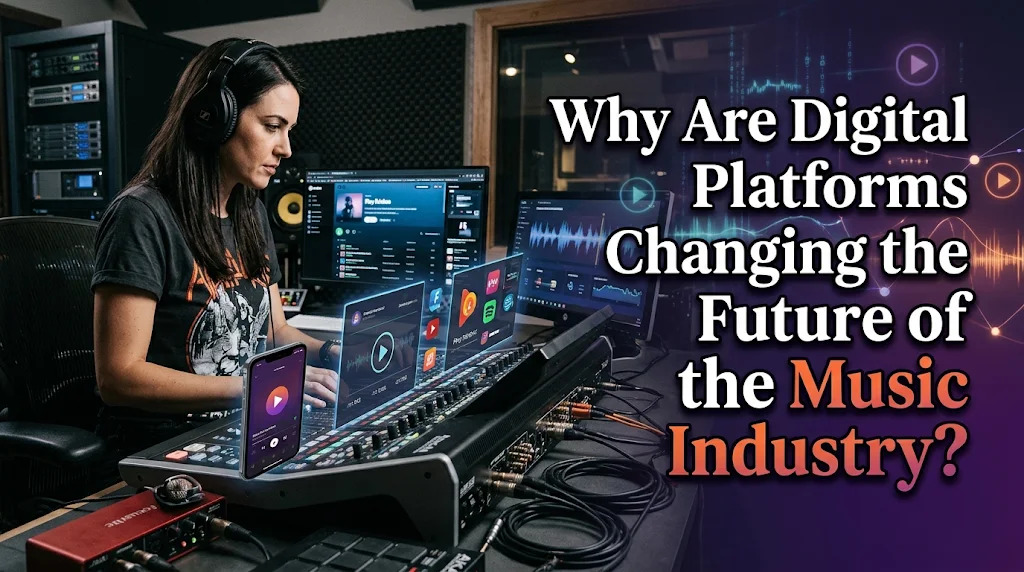
Digital platforms are changing the future of the music industry by transforming how music is created, distributed, promoted, and consumed. In the past, musicians depended heavily on record labels, physical album sales, and traditional media to introduce their work to audiences. Today, streaming services, social media, and online music stores provide faster and more accessible ways to share music. These developments have created new opportunities for artists, businesses, and listeners while changing the way the global music industry operates.
DIGITAL PLATFORMS MAKE MUSIC MORE ACCESSIBLE
One of the biggest advantages of digital platforms is their ability to make music accessible to people around the world. Streaming services allow listeners to discover millions of songs through smartphones, computers, and other internet-connected devices. They no longer need to purchase physical albums to enjoy their favorite music. This convenience has changed listening habits and made digital music an important part of everyday entertainment.
Digital accessibility also helps musicians reach audiences beyond their local markets. Independent artists can distribute their songs internationally without necessarily signing contracts with major record labels. Listeners can discover music from different countries, languages, and cultural backgrounds through online recommendations and playlists. As a result, global music distribution has become faster and more accessible than traditional distribution methods.
STREAMING SERVICES CHANGE MUSIC CONSUMPTION
Music streaming services have significantly changed how people listen to and access music. Platforms such as Spotify, Apple Music, and YouTube Music allow users to play songs on demand through subscription-based or advertising-supported services. Instead of purchasing individual albums, listeners can explore large music catalogs whenever they want. This model provides convenience while creating a different business structure for the music industry.
Streaming platforms also use algorithms and listening data to recommend songs based on user preferences and listening habits. These recommendations can help emerging musicians reach audiences who may not have discovered their work through traditional media. However, streaming revenue is distributed according to licensing agreements and platform policies, meaning that earnings vary among artists and rights holders. Therefore, musicians need to understand streaming revenue and develop additional income sources to support their careers.
SOCIAL MEDIA TRANSFORMS MUSIC PROMOTION
Social media has become an important tool for promoting music and building relationships with audiences. Platforms such as Instagram, TikTok, Facebook, and YouTube allow musicians to share song previews, music videos, live performances, and behind-the-scenes content. Artists can communicate directly with fans without depending entirely on traditional advertising or television exposure. This creates opportunities to develop a recognizable identity and maintain audience engagement.
Short-form videos and online trends can also increase the popularity of particular songs. A track used in widely shared content may attract new listeners and encourage people to explore the artist's other releases. However, gaining attention through social media does not automatically guarantee long-term success. Musicians need consistent content, effective communication, and a clear music marketing strategy to build a stable audience.
INDEPENDENT ARTISTS GAIN MORE OPPORTUNITIES
Digital platforms have made it easier for independent musicians to manage important parts of their careers. Artists can record songs using accessible digital equipment, distribute their music through online distributors, and promote releases through social media. This reduces some of the traditional barriers associated with entering the music business. It also gives musicians greater control over their creative direction and release schedules.
Independent artists can also use digital platforms to understand their audiences and evaluate the performance of their releases. Streaming statistics, social media engagement, and audience insights provide useful information for planning future projects. However, working independently requires additional responsibilities, including budgeting, copyright management, promotion, and business administration. Developing independent music careers therefore involves both creative abilities and practical business knowledge.
TECHNOLOGY SHAPES THE FUTURE OF THE MUSIC BUSINESS
Technological developments continue to introduce new possibilities for music creation and distribution. Artificial intelligence, digital audio software, cloud-based collaboration, and advanced data analytics can support different stages of music production and business operations. Musicians can collaborate remotely, experiment with new sounds, and manage projects using online tools. These developments may make professional music production more flexible and accessible.
At the same time, digital transformation creates challenges involving copyright protection, fair compensation, data privacy, and the responsible use of artificial intelligence. Music professionals must understand how their creative rights are protected when their work is distributed or used online. Platforms and industry organizations also need transparent systems to support artists and rights holders. The future of the digital music industry will depend on balancing technological innovation with fair business practices and creative freedom.
CONCLUSION
Digital platforms are changing the future of the music industry by making music more accessible, transforming listening habits, and creating new promotional opportunities. Streaming services, social media, and digital distribution allow independent artists to reach international audiences more easily. Technology also supports innovation in music production and business management. However, challenges involving copyright, revenue distribution, and digital responsibility must be addressed. As technology continues to develop, digital platforms will remain essential to the growth and transformation of the global music industry.
Recent Posts

How Does Technology Make Daily Evaluation... 21.11.2026/55 View

Apa Strategi Menghadapi Kesenjangan antara Kompetensi... 21.11.2026/57 View

Mengapa Inventaris Aset Penting bagi Kelancaran... 21.11.2026/52 View

When Should Musicians Join a Record... 21.11.2026/52 View

Daily Evaluation or Daily Planning Which... 21.11.2026/59 View
