

Why Are Digital Skills Considered Valuable in the Modern Job Market?
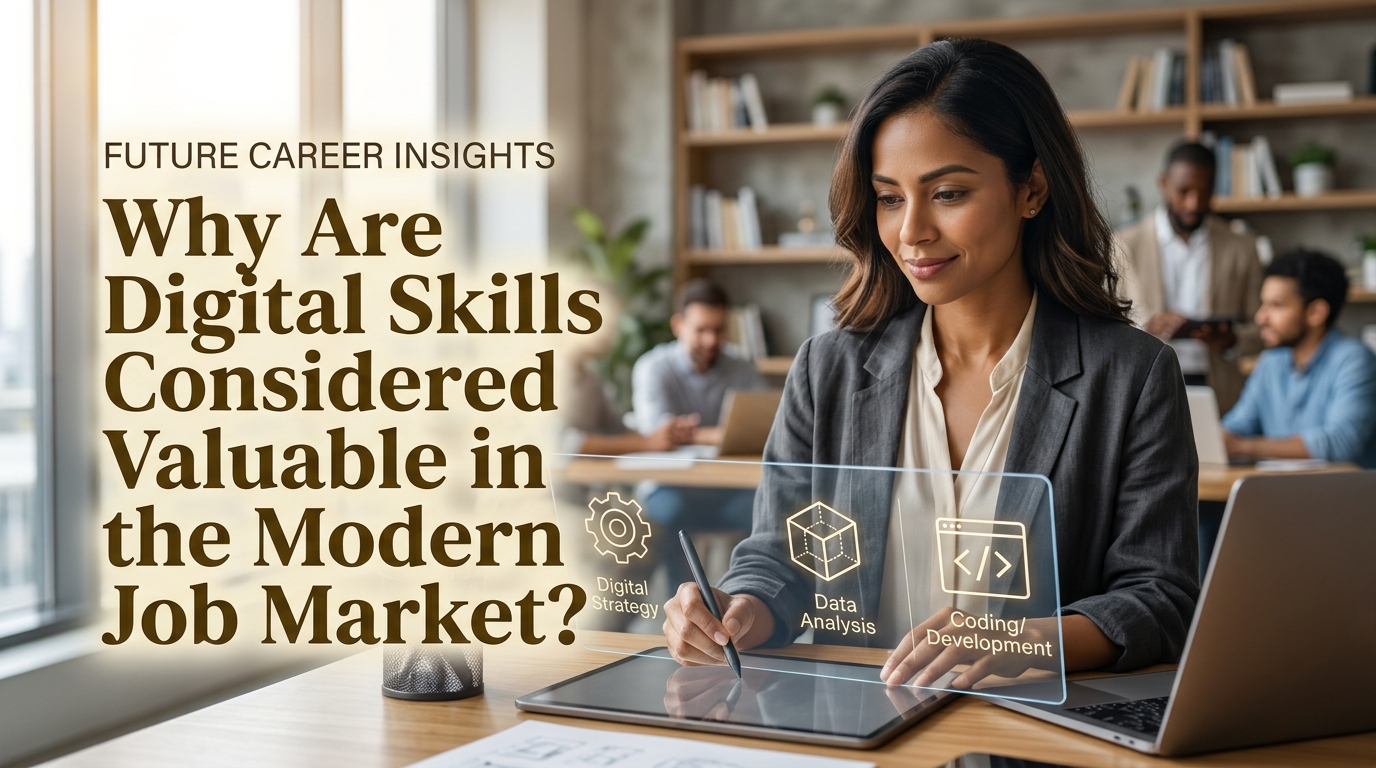
Technology has become an essential part of modern business operations, changing how companies communicate, manage information, and complete daily tasks. From online collaboration platforms to artificial intelligence, digital tools are now widely used across different industries. As a result, employers increasingly seek candidates who understand how to use technology effectively. This growing demand makes digital skills one of the most valuable competencies in today's job market.
Having digital skills is no longer important only for people working in the technology industry. Employees in marketing, finance, education, healthcare, administration, and other professional fields also need technological knowledge to perform their responsibilities efficiently. Understanding why digital skills are valuable can help job seekers prepare for employment opportunities and encourage existing employees to remain competitive. Developing these abilities can also support career growth, workplace productivity, and long-term professional development.
WHAT ARE DIGITAL SKILLS?
Digital skills refer to the knowledge and abilities needed to use digital devices, software, online platforms, and technological systems effectively. These skills help individuals access information, communicate with others, create digital content, and complete various professional tasks. They include basic abilities, such as using email and office applications, as well as more advanced competencies, such as programming, data analysis, and cybersecurity.
Digital skills are generally divided into different levels based on their complexity and purpose. Basic digital literacy includes operating computers, managing files, browsing the internet, and using productivity applications. Intermediate and advanced skills may involve managing databases, analyzing business information, developing websites, and working with artificial intelligence tools. The specific skills required depend on the industry, job position, and responsibilities of each employee.
WHY ARE DIGITAL SKILLS IMPORTANT IN THE MODERN JOB MARKET?
Digital skills are important because businesses increasingly depend on technology to maintain operations and achieve their objectives. Companies use digital systems to manage projects, communicate with customers, organize information, and improve business processes. Employees who understand these tools can complete their responsibilities more efficiently and contribute to better organizational performance.
Furthermore, digital transformation has changed the qualifications employers expect from job applicants. Many positions now require at least basic technological knowledge, even when the main responsibilities are not directly related to IT. Candidates who demonstrate relevant digital competencies may have an advantage during recruitment because they can adapt more easily to modern working environments. Therefore, digital proficiency has become an important factor in employability and career development.
DIGITAL SKILLS INCREASE EMPLOYABILITY
One of the main reasons digital skills are valuable is their ability to improve employability. Employers often prefer candidates who can use relevant software, understand digital communication tools, and handle technology-related responsibilities. These abilities can reduce the amount of basic training required and help new employees adjust to workplace expectations more quickly.
Digital skills also allow job seekers to explore opportunities across different industries. For example, someone with knowledge of digital marketing can apply for positions in advertising, retail, media, and business development. Similarly, individuals who understand spreadsheets, data management, and online collaboration tools can pursue various administrative and operational roles. By developing relevant digital competencies, candidates can increase their employment opportunities and become more competitive in the job market.
DIGITAL SKILLS IMPROVE WORKPLACE PRODUCTIVITY
Technology helps employees complete tasks faster and manage their responsibilities more effectively. Digital productivity tools, such as word processors, spreadsheets, project management applications, and cloud storage platforms, make it easier to organize information and collaborate with colleagues. Employees who understand how to use these tools can reduce repetitive work and minimize unnecessary delays.
In addition, digital skills help workers manage information more accurately. For example, spreadsheet applications can support financial calculations, while project management software can help teams monitor deadlines and task progress. Employees who can select and use appropriate digital tools are better prepared to handle workloads efficiently. As a result, strong digital competencies can improve individual performance and support overall business productivity.
DIGITAL SKILLS SUPPORT REMOTE WORK AND GLOBAL COLLABORATION
The growth of remote and hybrid working arrangements has increased the importance of digital communication and collaboration skills. Employees may need to attend virtual meetings, share documents online, communicate through messaging platforms, and coordinate projects with colleagues in different locations. Understanding how to use these technologies is essential for maintaining effective professional relationships outside traditional office environments.
Digital skills also make it easier for professionals to work with international teams and access opportunities beyond their local job markets. Tools such as video conferencing platforms, cloud-based applications, and collaborative workspaces allow employees to exchange information across geographical boundaries. However, effective digital collaboration also requires good communication, time management, and responsibility. Combining digital literacy and interpersonal skills helps employees work more successfully in modern professional environments.
DIGITAL SKILLS HELP EMPLOYEES ADAPT TO ARTIFICIAL INTELLIGENCE AND AUTOMATION
Artificial intelligence and automation are changing how companies perform many business activities. Tasks such as data processing, document organization, customer support, and content preparation can now be assisted by digital technologies. Consequently, employees need to understand how these tools work and how they can be used responsibly in professional settings.
AI literacy is becoming an increasingly relevant part of digital competence. Employees should know how to use AI applications, evaluate generated information, identify possible inaccuracies, and protect confidential business data. They should also understand that AI tools support human work rather than replace the need for professional judgment. Workers who combine technological knowledge with creativity, critical thinking, and problem-solving abilities can adapt more effectively to changes in the workplace.
EXAMPLES OF DIGITAL SKILLS THAT COMPANIES VALUE
Different industries require different digital competencies, but several skills are useful across many professional fields. Companies generally look for employees who can use technology to solve problems, organize information, and improve daily operations. Some digital abilities are essential for almost every office-based position, while others are more specialized.
The following are examples of digital skills that can provide professional advantages:
- Computer Literacy: The ability to operate computers, manage files, and use common digital applications.
- Data Analysis: The ability to organize, interpret, and evaluate information using tools such as spreadsheets and analytical software.
- Digital Marketing: Knowledge of search engine optimization, social media management, online advertising, and digital content strategies.
- Cybersecurity Awareness: Understanding how to protect personal and business information from online threats.
- Artificial Intelligence: The ability to use AI applications responsibly to support research, productivity, and problem-solving.
- Programming: Knowledge of coding languages used to develop software, websites, and digital applications.
- Cloud Computing: The ability to use online storage, cloud-based software, and collaborative digital platforms.
- Digital Communication: The ability to communicate professionally through email, video conferencing, and online messaging tools.
Not every employee needs to master all these abilities. The most appropriate skills depend on career goals, industry requirements, and job responsibilities. However, developing a combination of basic digital literacy and job-specific technical skills can create a stronger professional profile.
HOW TO DEVELOP DIGITAL SKILLS FOR CAREER DEVELOPMENT
Developing digital skills requires continuous learning and regular practice. Technology changes quickly, so employees and job seekers should remain open to learning new applications, systems, and working methods. Fortunately, many digital competencies can be developed through affordable online resources and practical experience.
Here are several ways to improve digital abilities:
- Take Online Courses: Use educational platforms to learn computer applications, data analysis, programming, digital marketing, or other relevant subjects.
- Practice with Digital Tools: Explore commonly used applications, such as Microsoft Excel, Google Workspace, project management software, and communication platforms.
- Complete Practical Projects: Apply new knowledge through personal projects, freelance assignments, internships, or workplace activities.
- Follow Technology Trends: Read reliable technology publications and learn about developments that may affect your industry.
- Join Professional Communities: Participate in online groups, webinars, and discussions to exchange knowledge with experienced professionals.
- Build a Digital Portfolio: Display completed projects, certifications, and practical achievements to demonstrate your abilities to potential employers.
Consistency is important when developing digital competencies. Instead of trying to learn every technology at once, individuals should identify the tools and abilities most relevant to their career goals. Regular practice helps transform theoretical knowledge into practical experience. This approach can make employees more confident when using technology and handling professional responsibilities.
THE ROLE OF DIGITAL SKILLS IN FUTURE CAREER OPPORTUNITIES
Digital technology will continue to influence the future of employment as companies adopt new systems and improve their business processes. Skills related to artificial intelligence, data management, cybersecurity, cloud computing, and automation are likely to remain relevant in many industries. However, the demand for specific technologies may change as new tools and working methods emerge.
For this reason, professionals should focus not only on learning individual applications but also on developing the ability to adapt to technological changes. Continuous learning, critical thinking, creativity, and problem-solving will remain important alongside technical knowledge. Employees who can understand new technologies and apply them to real workplace challenges may have more opportunities to develop their careers. Building a strong combination of digital and human skills can help professionals prepare for future employment demands.
CONCLUSION
Digital skills are considered valuable in the modern job market because they help employees work efficiently, adapt to technological changes, and meet the evolving needs of businesses. These abilities support employability, workplace productivity, remote collaboration, and professional development. From basic computer literacy to advanced competencies such as data analysis and artificial intelligence, digital knowledge has become increasingly relevant across different industries.
However, developing digital skills is not simply about learning how to operate software or use modern devices. It also involves understanding how technology can solve problems, improve decisions, and create meaningful results. By investing in continuous digital learning and combining technical abilities with communication, creativity, and critical thinking, individuals can strengthen their professional value and become better prepared for the future of work.
Recent Posts

Bagaimana Sistem SKS pada Program Kuliah... 22.11.2026/40 View

How Does Technology Make Daily Evaluation... 21.11.2026/72 View

Apa Strategi Menghadapi Kesenjangan antara Kompetensi... 21.11.2026/73 View

Mengapa Inventaris Aset Penting bagi Kelancaran... 21.11.2026/69 View

When Should Musicians Join a Record... 21.11.2026/73 View
