

Why Are Expense Receipts Important For Business Travel Accountability?
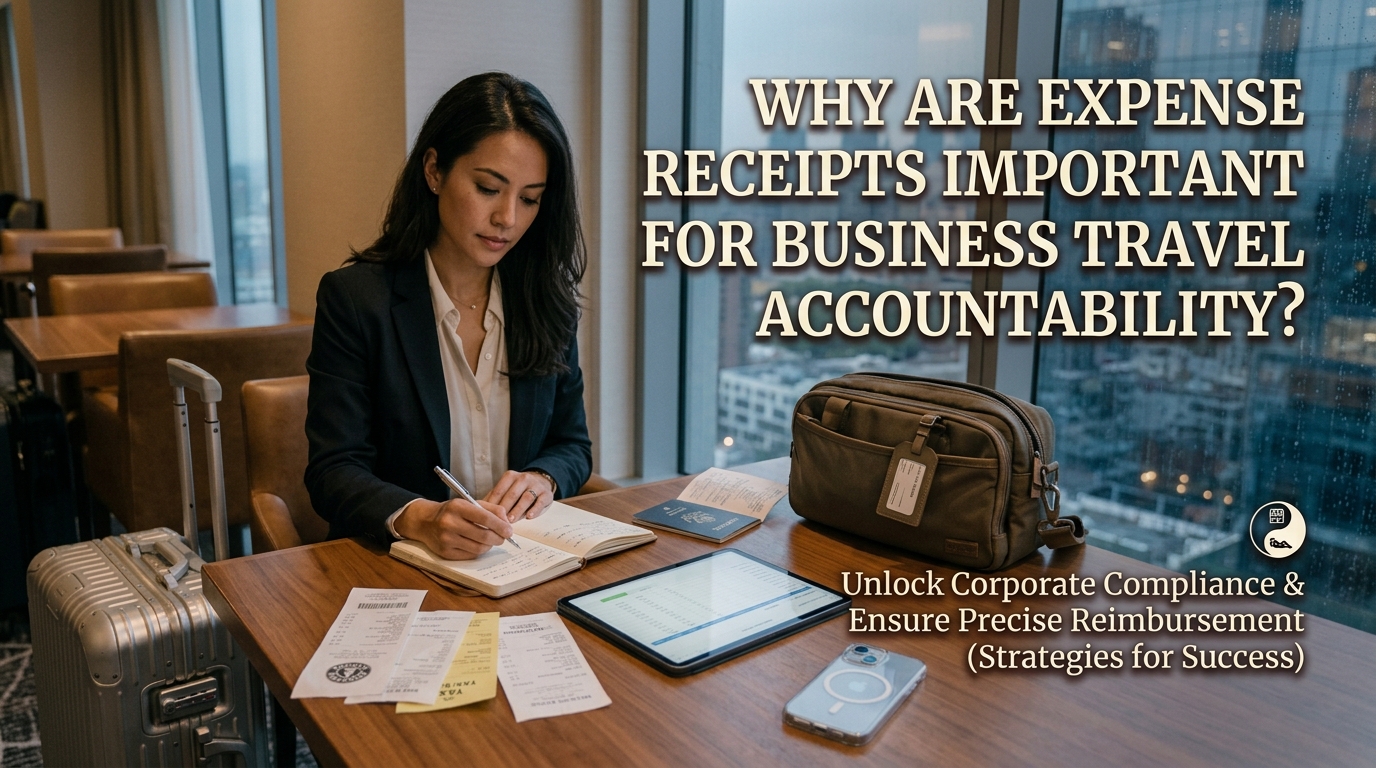
Business travel often involves expenses for transportation, accommodation, meals, parking, and other work-related activities. Companies need accurate records of these costs to understand how their money is used and ensure that employees follow travel policies. Expense receipts provide evidence of purchases and help connect reported expenses with actual transactions. Without proper documentation, companies may find it difficult to verify claims, prepare financial reports, or identify errors. Keeping expense receipts is an important part of business travel accountability because it supports transparency, accuracy, and responsible spending.
PROVIDE PROOF OF BUSINESS EXPENSES
Expense receipts serve as evidence that a payment or purchase took place. They usually contain details such as the transaction date, merchant name, purchased items or services, and total amount paid. These details help companies determine whether an expense is related to an approved business activity. Receipts provide supporting evidence that helps employees justify their business travel expenses.
For example, an employee may need to submit receipts for hotel accommodation, train tickets, meals, or local transportation. These documents allow the finance team to compare reported amounts with the actual costs. When a receipt is missing, employees may need to provide alternative documentation according to company policy. Accurate proof of payment reduces uncertainty and makes expense claims easier to review.
SUPPORT ACCURATE EXPENSE REPORTING
Expense receipts help employees prepare complete and accurate travel expense reports. By reviewing receipts, they can confirm the amount spent and avoid relying only on memory. This is especially useful when a business trip involves several transactions across multiple days. Using receipts reduces the risk of incorrect amounts, forgotten purchases, and reporting mistakes.
Employees should organize their receipts throughout the trip rather than waiting until they return to the office. They can group documents by date or expense category and compare them with bank or payment records when necessary. Before submitting a report, they should check that each claim matches the supporting documentation. Careful recordkeeping makes expense reports more reliable and easier to verify.
ENSURE COMPLIANCE WITH COMPANY POLICIES
Companies often establish rules about which travel expenses can be reimbursed and how employees must document them. These rules may include spending limits, approved accommodation options, meal allowances, and deadlines for submitting reports. Receipts help reviewers determine whether the reported purchases meet the company's requirements. Proper documentation helps employees demonstrate compliance with business travel policies.
Employees should understand the relevant rules before making purchases during a trip. If an unusual or unexpected expense occurs, they should follow the required approval process and explain the business reason clearly. They should never change receipt details or claim personal purchases as business expenses. Honest reporting and complete documentation support accountability and fair reimbursement decisions.
PREVENT ERRORS AND FRAUDULENT CLAIMS
Expense receipts help finance teams identify mistakes and review unusual transactions. For example, a receipt may reveal a duplicate claim, an incorrect total, or a purchase that does not match the employee's report. Comparing receipts with payment records can provide additional information when a claim requires further review. Reliable supporting documents strengthen financial controls and help reduce the risk of improper claims.
Receipts alone cannot guarantee that every expense is legitimate, so companies should combine them with clear policies and appropriate review procedures. Finance teams may need to check transaction details, approval records, and the business purpose of a purchase. Employees should submit genuine documents and report any errors they discover. Combining accurate records with proper checks helps protect company funds and maintain trust.
MAKE REIMBURSEMENT FASTER AND EASIER
Expense receipts can help companies process employee reimbursement claims more efficiently. When receipts are complete and easy to read, finance teams can verify transactions without repeatedly asking employees for additional information. This can reduce unnecessary delays and make the reimbursement process more organized. Submitting complete documentation helps employees receive approved reimbursements with fewer complications.
Employees should follow the company's submission format and include any required forms or explanations. If digital receipts are accepted, they should ensure that the files are clear, readable, and securely stored. They should also submit claims within the required deadline to avoid processing problems. Organized receipts make reimbursement easier for both employees and finance teams.
SUPPORT BUDGETING AND FINANCIAL PLANNING
Expense receipts provide useful information about the actual cost of business travel. When companies collect and review these records, they can identify common expenses and compare spending across different trips. This information can help managers estimate future travel budgets and choose more cost-effective arrangements. Accurate expense records support better financial planning and more informed business decisions.
For example, a company may discover that transportation or accommodation costs are consistently higher than expected. Managers can use this information to review travel arrangements, negotiate suitable rates, or adjust budget estimates. They can also identify spending patterns that require clearer guidelines. Reviewing documented expenses helps companies control costs without relying on estimates alone.
IMPROVE TRANSPARENCY AND ACCOUNTABILITY
Expense receipts create a clearer record of how company funds are used during business trips. Employees can explain their spending, while managers and finance teams can review the supporting details. This makes it easier to understand the purpose and value of travel-related expenses. Transparent documentation encourages responsible spending and strengthens trust between employees and their employers.
Receipts also help companies maintain organized financial records for internal reviews and other applicable reporting requirements. Employees should store them according to company procedures and applicable recordkeeping rules. Sensitive payment details should be protected from unauthorized access, especially when receipts are stored digitally. Secure and well-organized records support accountability while protecting important financial information.
CONCLUSION
Expense receipts are important for business travel accountability because they provide evidence of purchases, improve expense reporting, support company policies, and help prevent improper claims. They also make reimbursement easier and provide useful information for budgeting and financial planning. Employees should collect genuine receipts, organize them carefully, and submit them with accurate expense reports. Companies should establish clear documentation rules and review procedures to ensure that records are reliable. Maintaining complete and accurate expense receipts helps businesses use their funds responsibly and manage business travel with greater transparency.
Recent Posts

Bagaimana Sistem SKS pada Program Kuliah... 22.11.2026/57 View

How Does Technology Make Daily Evaluation... 21.11.2026/86 View

Apa Strategi Menghadapi Kesenjangan antara Kompetensi... 21.11.2026/84 View

Mengapa Inventaris Aset Penting bagi Kelancaran... 21.11.2026/82 View

When Should Musicians Join a Record... 21.11.2026/86 View
